


Emily was restless.
She had just gotten home from PAX East, where she didn’t see any games she wanted to play. So while her partner went out for a run, she sat down to make one. Three hours later, she was surrounded by little pieces of paper. She’d made a game. Not a pretty one, but that’s what prototyping a game looks like at the start: fast, cheap and a bit of a mess.
That prototype was just one of many that Emily has worked on since that day. And without these prototypes, she never would have been able to launch successful games on Kickstarter, like Pirates of the High Teas, which raised $271,580.
The goal of this guide is to walk you from those paper scraps to the physical sample backers expect to see. And while there are many different types of games, when it comes to prototyping, the goal is always the same: prove it’s fun before you spend real money.
Let’s get started.
Key Takeaways
- Start on paper. Index cards and borrowed pieces are enough to test whether your core loop is fun
- Playtest on a fixed rhythm (same day every week) and log notes after every session
- Put your prototype in front of strangers to find out if people would actually buy it
- Lock your mechanics before you pay for final art or a manufacturer sample
- Use renders and simple ad tests to find the piece or image that sells your game
What does “Prototyping a Game” mean?
Prototyping a game means building a rough, playable version of it to prove it’s fun before you pay for art and manufacturing. Here’s why this matters so much if you’re planning to crowdfund.
Crowdfunding lets you sell your game before you manufacture it. As I wrote in my book, Crowdfunded, “All the product creator needs is a prototype.” Backers pre-order, and you get the money before you place your manufacturing order.
But you do need that prototype. Backers want to see a real, playable game before they pledge, and your prototype is what you show them in your photos, videos and playtests.
The prototype does more than win over backers. It’s where you find out if your game is fun, before you pay for the art and components that make it feel like a real product. If the game underneath isn’t fun, no amount of art will save it.
8 Steps to Prototyping a Game
Here’s the path from paper to a Kickstarter-ready sample.
Each step answers one question, shown in bold at the top of the step. Once it’s answered, move on to the next one. Don’t polish a step that’s already done.
1. Build a Paper Prototype in an Afternoon
Question: Do I find the core loop (the thing players do over and over) fun?
Grab index cards, a marker and pieces from games you already own. Starting from nothing? About $20 at an office supply store covers it. Skip the art and graphic design for now.
Like Emily, the founders of Glasshouse Games, who later made Whisker Wars, built their first game this way. They pulled pieces from board games they owned and grabbed props from film sets they’d worked on.
That’s the mindset. Spend time, not money. If the loop isn’t fun on paper, it won’t be fun with gold foil either.
For more on keeping costs down at this stage, read our guide on how to prototype your board game without wasting money.
2. Playtest on a Fixed Weekly Rhythm
Question: What’s broken, and how do I fix it?
Pick a day and stick to it.
Phil and Carson built Here Be Monsters, a pirate card game that went on to raise $123,673 on Kickstarter, one week at a time. Here’s how I described it: “Every Wednesday they hopped online, played a game, decided what was fun and what wasn’t, changed it, and played again the next week.” That’s the whole loop. Play, decide, change, play again.
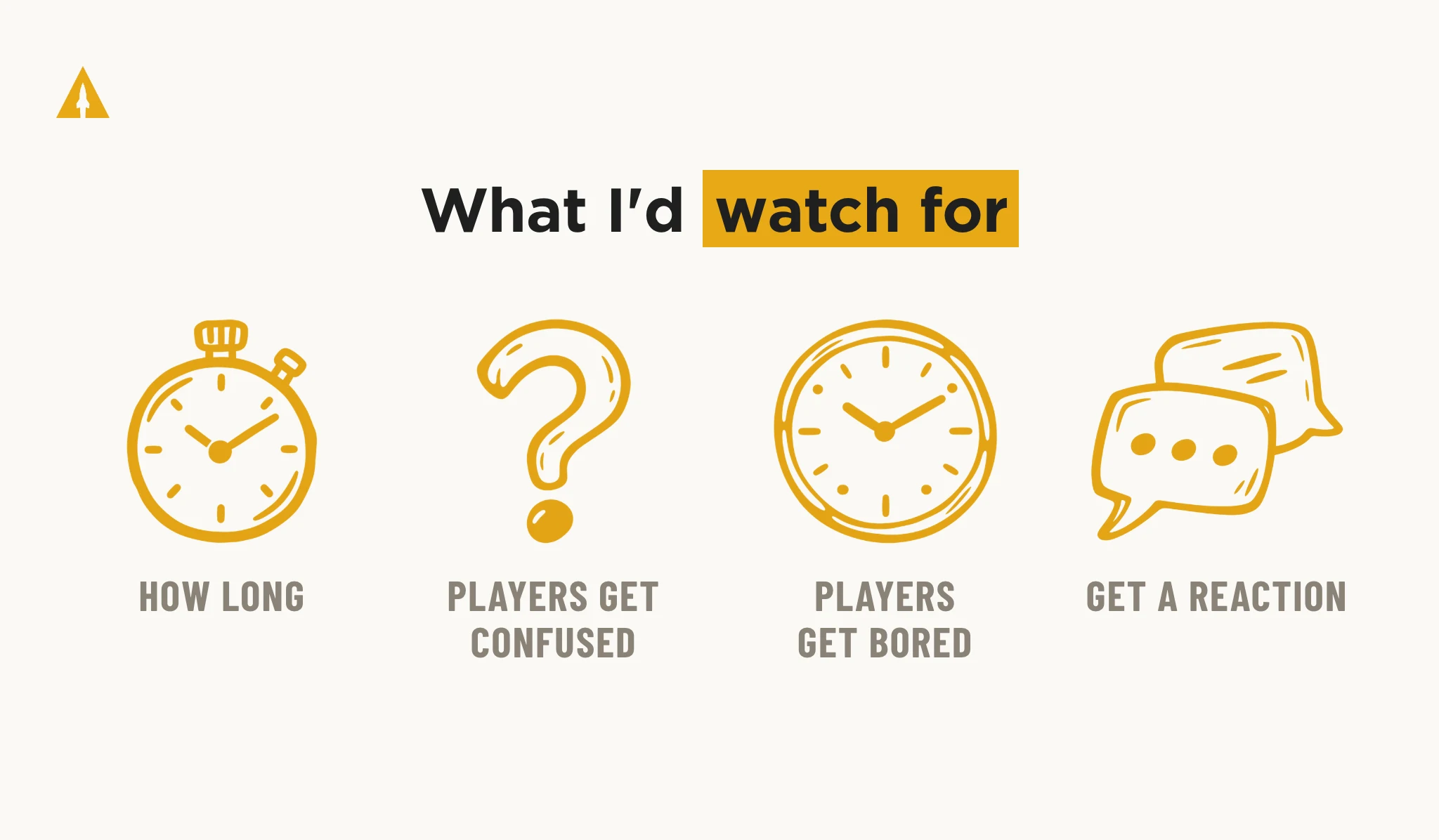
Here’s what I’d watch for in each session:
- How long the game takes
- Where players get confused
- Where players get bored
- Which moments get a reaction
Log notes right after every session, while it’s fresh.
For example, that first Glasshouse Games prototype was a big D&D-lite game, and its first full playthrough took eight hours. Yeah, that’s a lot. But the mechanics were solid and the theme was working, so the fix wasn’t to start over. It was to tighten the game and speed it up, which is exactly what their second prototype did.
3. Cut the Scope to Fit a First Launch
Question: Is this the right game for my first launch?
There are two honest takes here, and both come from founders who did well.
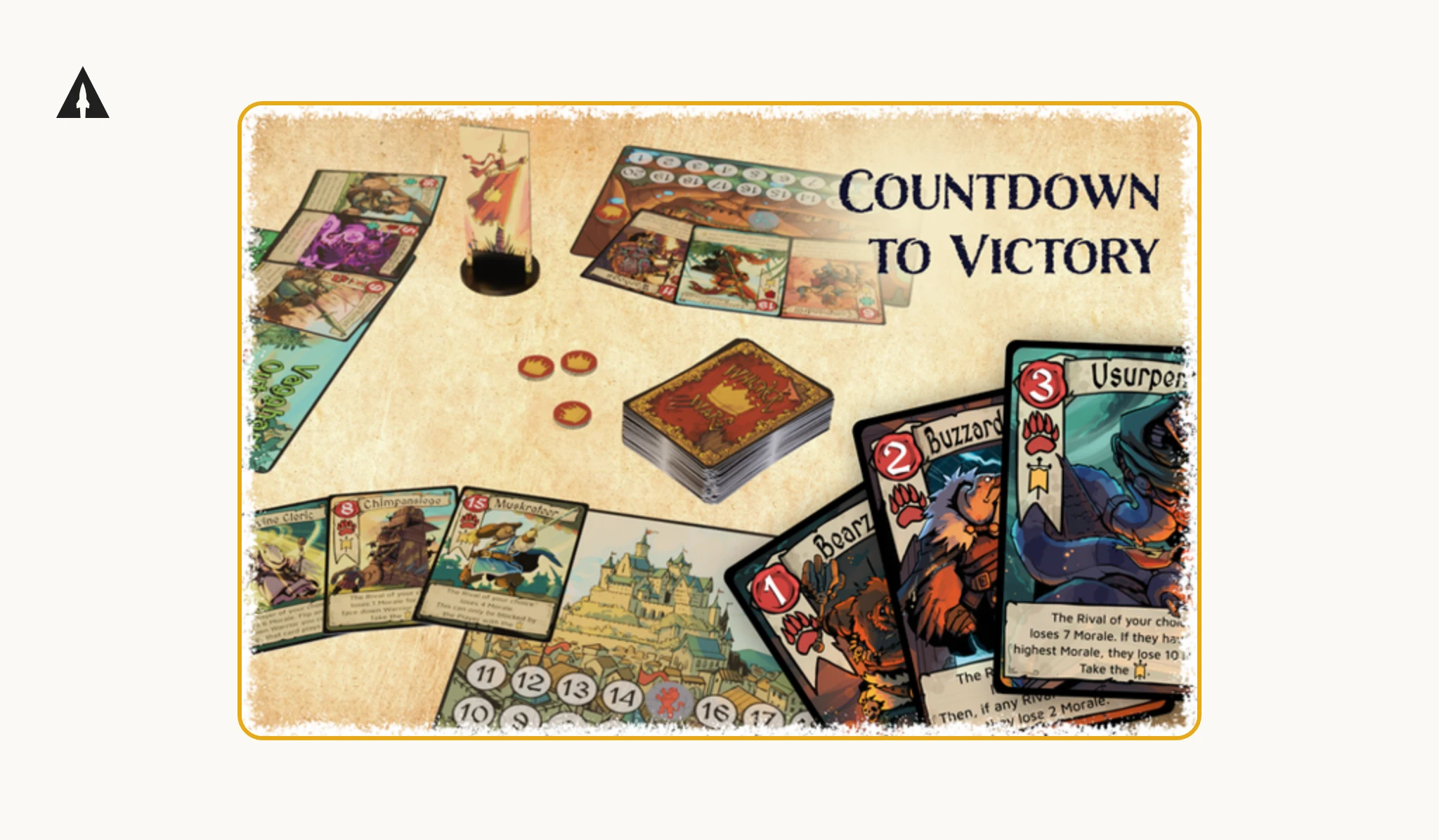
The first is to shrink it. At the end of 2023, the Glasshouse Games team went to PAX Unplugged and realized that D&D-lite game was too ambitious for a debut. They needed something smaller to learn the whole process of kickstarting, manufacturing, fulfilling and marketing a game. Whisker Wars was born on the car ride home, and it went on to raise $148,622 on Kickstarter.
The second is to go big enough to get noticed. Emily passed on a simple 52-card game for her first launch. In her words: “It would be such a low price point that it’s really hard to have a campaign that starts to garner some attention.”
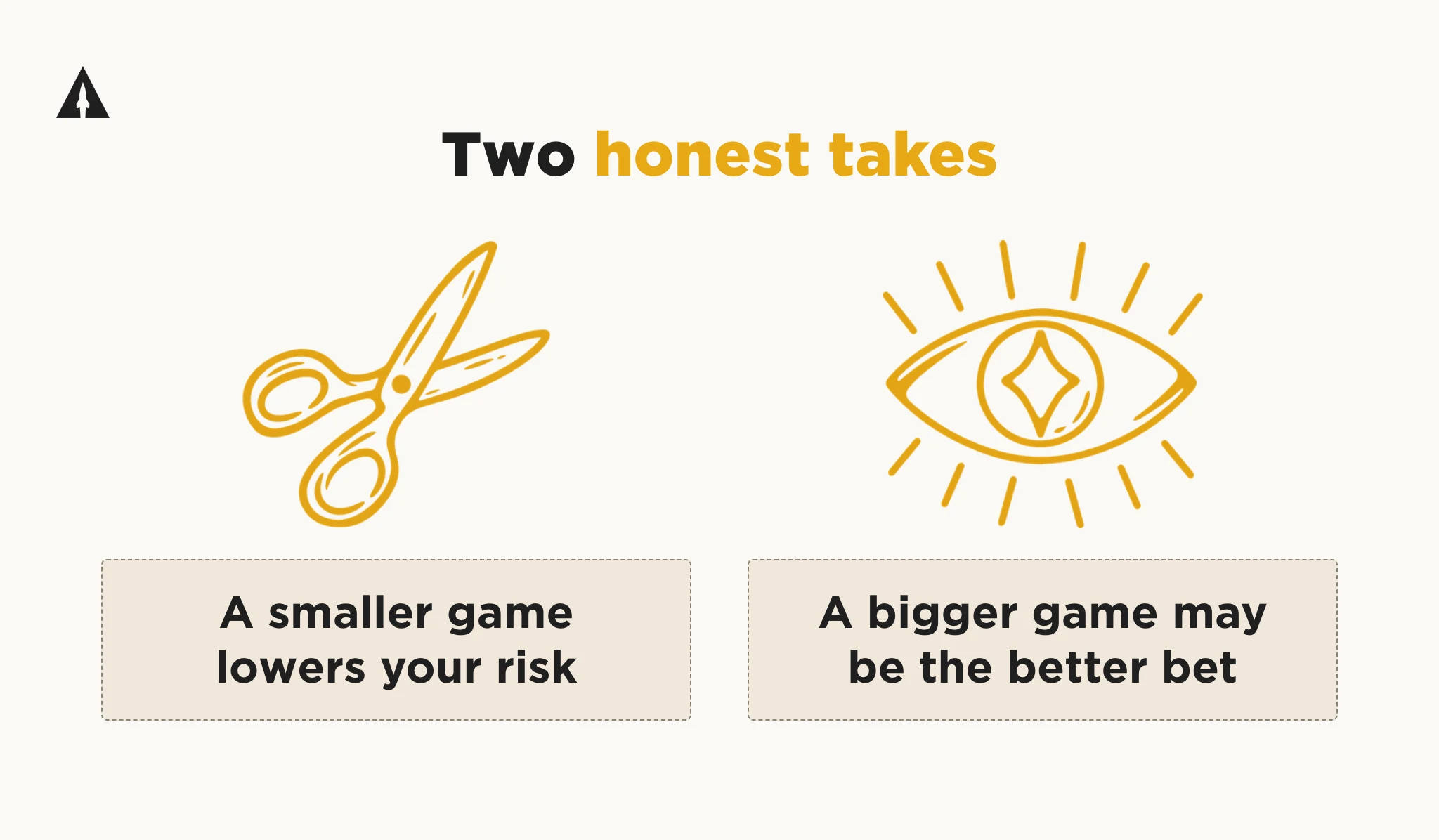
Both are valid. If you’re new to manufacturing and fulfillment, a smaller game lowers your risk. If your price point is too low to get attention, a bigger game may be the better bet. Decide on purpose, not by default.
4. Put Your Prototype in Front of Strangers
Question: Would people who don’t know me want to buy it?
Friends help you fix the game. Only strangers can tell you if they’d pay for it.
So take your prototype to conventions, playtesting events and online groups. A print-and-play file (a PDF people can print, cut and play at home) gets it into the hands of remote testers too.
Emily is a great example. She spent about a year taking her game to conventions before she spent anything on ads. She watched who got excited, what made people stop at her booth and what words they used to describe the game. And she kept a simple sign-up sheet to collect emails at every show.
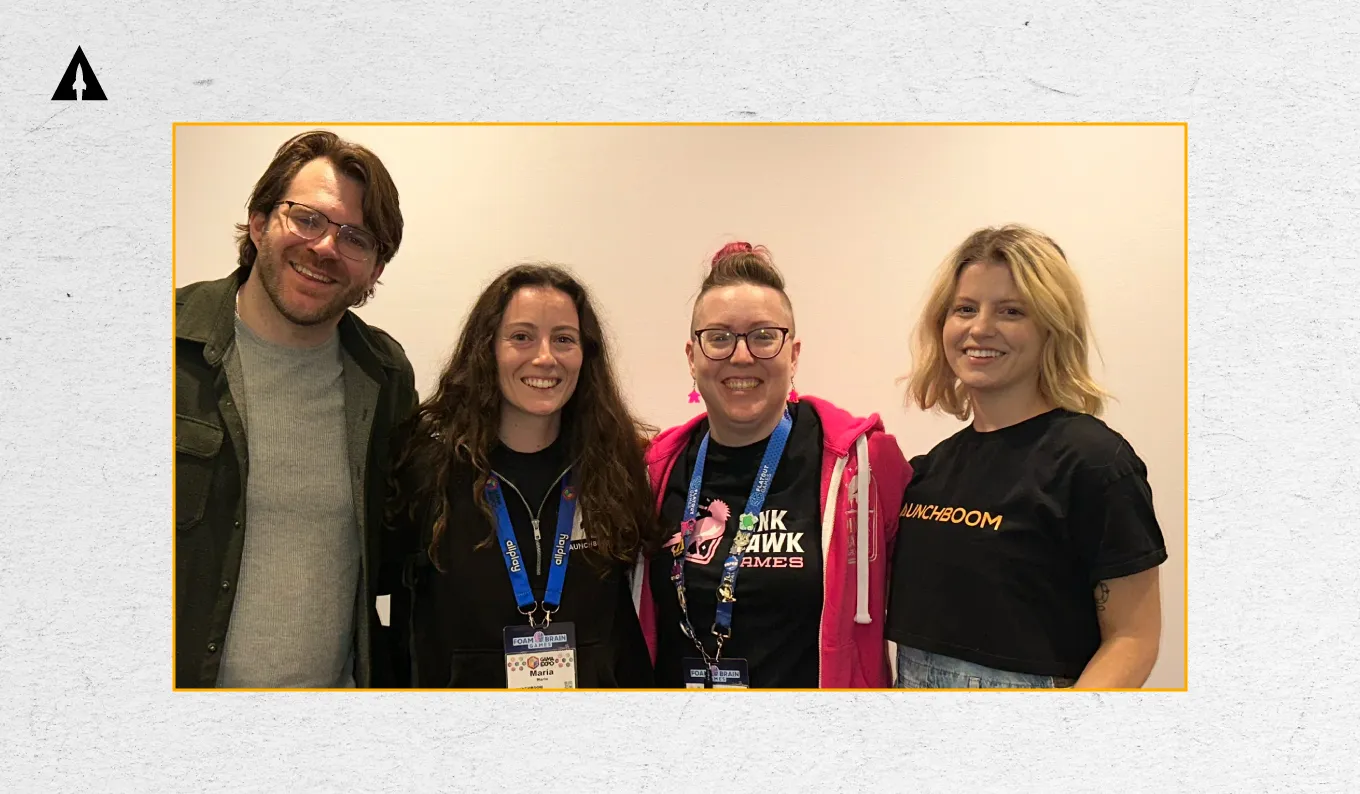
That last part is important. Bring a sign-up sheet. Every stranger who loves your prototype is a potential backer.
The Whisker Wars team let fans playtest online in their Discord, and Logan, one of the founders, recommends Unpub playtesting events too. For more on working a show floor, read our board game convention tips.
5. Lock Your Mechanics Before You Pay for Final Art
Question: Are my mechanics final enough to pay for art?
Start art early, but not too early.
Don’t invest in final art until your mechanics are locked in. If you’re still changing what a card does, you’re going to pay to redraw it.
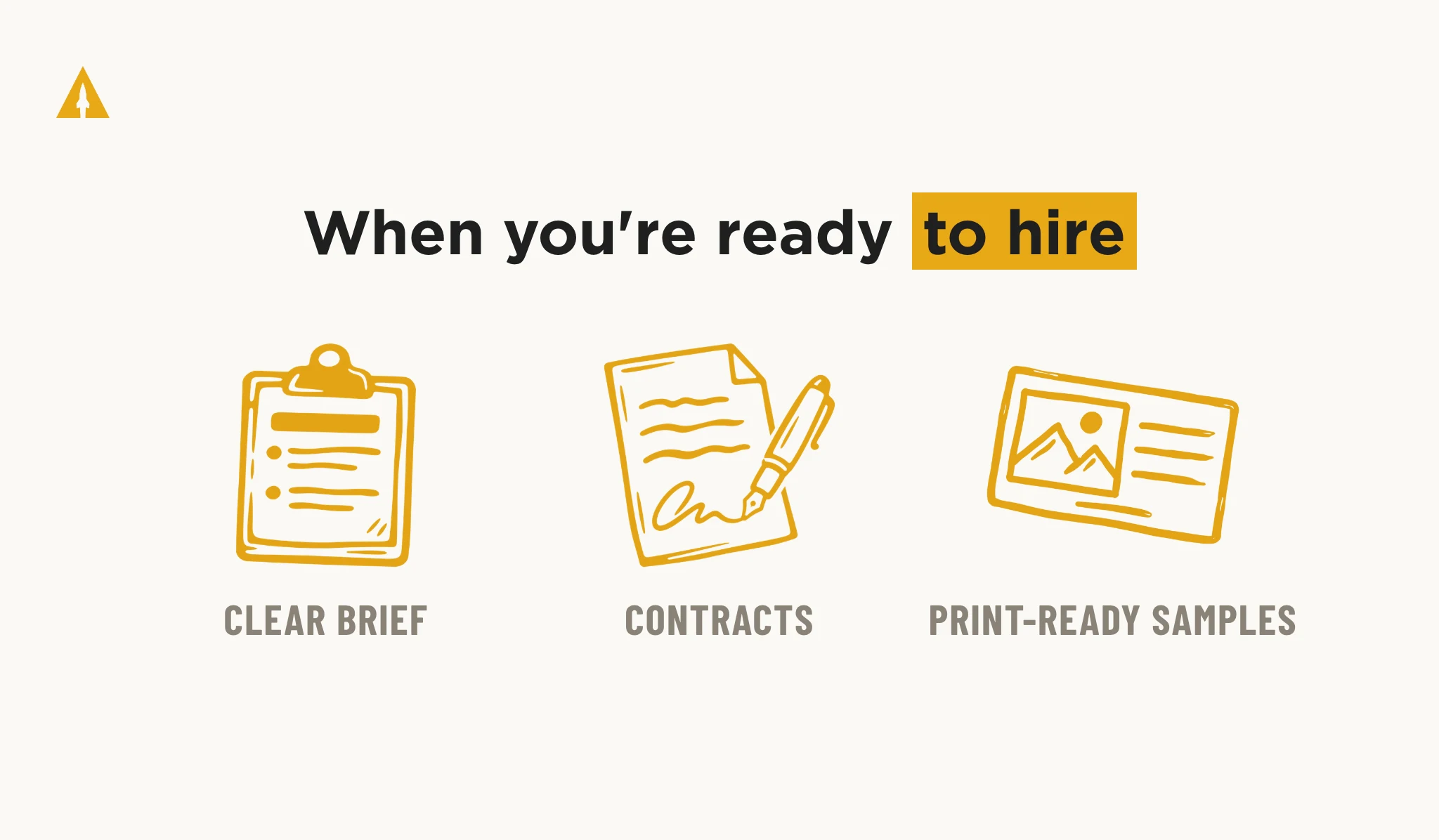
When you’re ready to hire, here’s what I’d recommend:
- Write a clear brief with your theme, tone, references and any specific requests
- Use contracts that cover payment terms, delivery schedules, revisions and rights
- Ask to see print-ready samples before you hire anyone
That last one catches a lot of founders. Art that looks great on a screen doesn’t always work on a small card.
But don’t go the other way either. Relying on placeholder art too late can kill excitement for reviewers and early followers. Once your mechanics are locked, get the art moving.
6. Test the Look With Renders Before You Order Samples
Question: Which piece or image makes people want my game?
Before you order a manufacturer sample, find out what people actually want to look at.
A render is quick to change. A physical sample isn’t.
That means you can make dozens of versions, run them through simple ad tests and let the results tell you which piece or image sells the game.
For example, Synaptic Symphony’s ad testing showed the neuron piece was the strongest visual, which the team didn’t expect. Their best pre-launch ad on Meta was built around the neuron pieces. It spent $1,022.85 and brought in 628 leads, at $1.63 per lead.
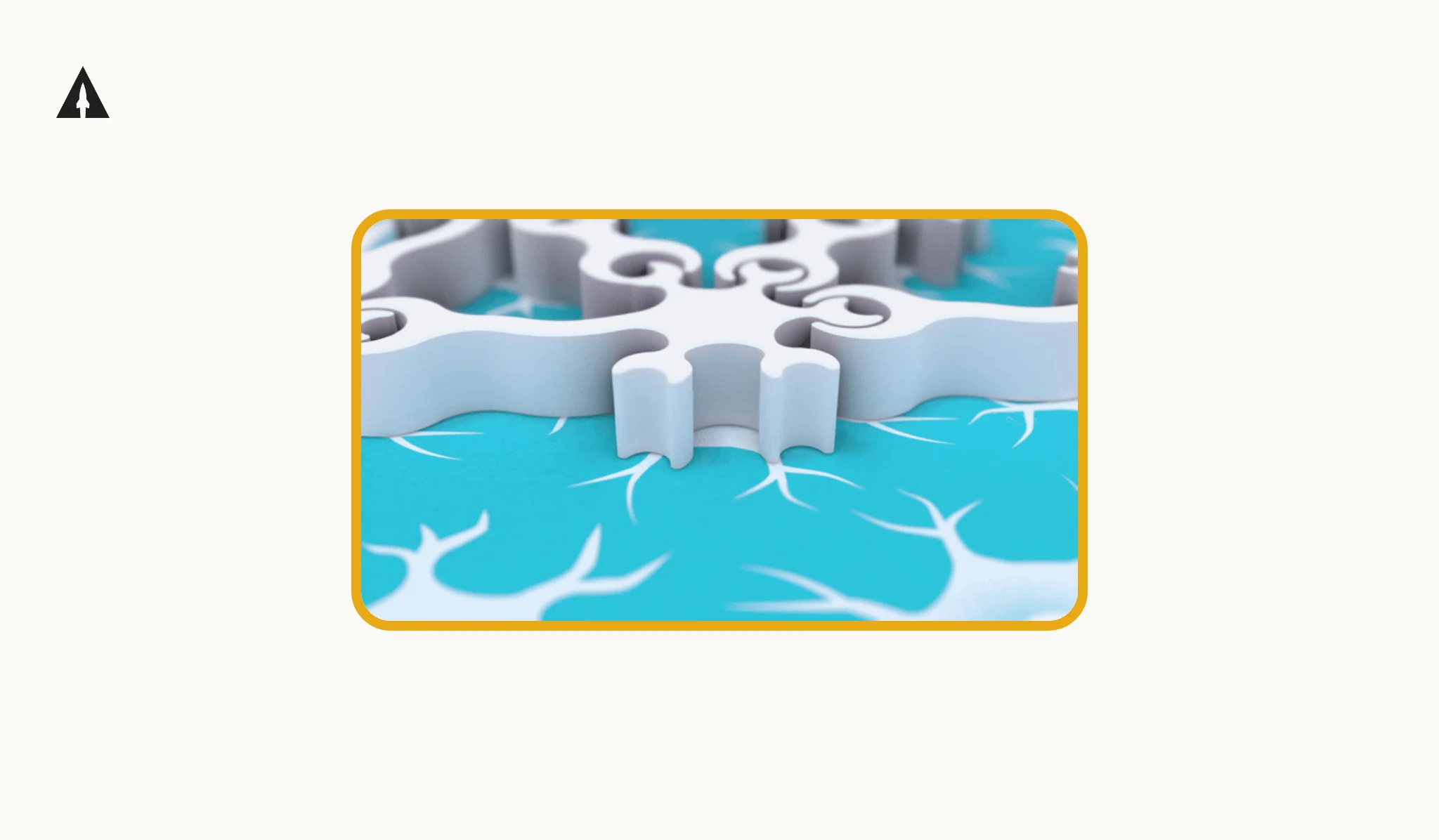
That piece stuck. People at conventions started calling Gaelle “the neuron lady,” and Synaptic Symphony went on to raise $108,077 on Kickstarter. As I said when she was on our podcast: “having some unique aspect of the game that you can then be associated with is really, really important.”
Emily saw something similar. Her best ads were the box cover and a Blender render of the box and components on a table, styled with a teapot, a little cake and a pirate dagger stuck into the table. It’s a lesson she’s taking into her next games: “I gotta nail this box, right, because it’s probably going to be the first asset I need and the last asset I need.”
For a deeper look, read our guide on creating renders for your board game.
7. Show the Prototype to Your VIPs and Keep Iterating
Question: What do my first fans want changed?
Your prototype doesn’t stop changing once pre-launch starts.
Once pre-launch starts, you’ll be building a list of VIPs: your most excited fans, who put down a small deposit (often $1) to lock in a special VIP offer. For example, Emily offered hers the Golden Ganaches mini-expansion for $1, 80% off its $5 Kickstarter price.
Post in a private group for your VIPs once a week, on the same day each week. Behind-the-scenes posts about prototypes and sketches show people you’re actively building the game.
And read the comments, even the harsh ones. They’re free design feedback.
Gaelle, the founder of Synaptic Symphony, did exactly that during pre-launch, and some of it changed the game. One commenter told her some people find the word “tantrum” offensive, so she changed it to “meltdown.”
This is one of the reasons crowdfunding works so well. We’ve seen backer feedback change games and prices. We’ve seen founders save thousands of dollars on add-ons or deluxe versions they didn’t need, just by asking their community what they wanted.
8. Make a Kickstarter-Ready Prototype for Photos and Video
Question: Is my prototype ready to show off in photos, video and to reviewers?
Your final prototype has two jobs: starring in your campaign photos and video, and going out to reviewers and influencers.
Most founders have this one made by a game manufacturer like Panda or LongPack. It’s a one-off sample, not a production run, so you pay per unit: about $12 to $18 for a card game, $30 to $60 for a standard board game with a box, meeples and dice, and $100 or more for a game with custom miniatures. Most manufacturers have a form on their website where you can ask for a quote. For help choosing one, read our guide to board game manufacturers.
Now, your prototype also decides what kind of campaign video you can make. A feature-focused video walks through your top features while showing off physical samples, so it needs good-looking samples. If your samples aren’t there yet, a story play video built on your art and theme may be the better fit.
Why Choose LaunchBoom to Take Your Game From Prototype to Kickstarter?
A fun prototype is the start. Getting it in front of the right people is the rest.
LaunchBoom is a crowdfunding marketing agency that has helped game founders raise $80M+, with 300+ game launches across Kickstarter, BackerKit, and Gamefound. Here’s what we do:
- Identify your superfan, the person who sees your game and has to have it
- Build a highly engaged pre-launch email list of superfans through targeted advertising
- Design and build a Reservation Funnel so your most excited fans commit before launch
- Create a comprehensive email marketing strategy that ensures your list backs your campaign
- Launch, get funded fast, and scale your campaign’s funding to hit your financial goals
In short, we handle all the marketing and ensure you hit your financial goals.
Final Thoughts
A prototype is the cheapest way to find out what’s true about your game.
Is it fun? Is it too long? Which piece do people reach for first? Every one of those answers costs a few index cards now, or thousands of dollars later.
If you’ve got a prototype and you’re thinking about Kickstarter, book a call with a LaunchBoom expert. We’ll talk through your game and how our agency can help you have a successful launch.
Prototyping game: Frequently Asked Questions
How much does a board game prototype cost?
A paper prototype costs $0 to $20: index cards, printer paper and pieces from games you already own. A manufacturer sample costs more, and you pay per unit: about $12 to $18 for a card game, $30 to $60 for a standard board game with a box, meeples and dice, and $100 or more with custom miniatures. Lock your mechanics before you order one, so you don’t pay for a sample you have to redo.
What is a paper prototype in game design?
A paper prototype is a hand-made version of your game built from paper, cards and borrowed pieces, with no final art. Its only job is to test whether the core loop is fun before you spend money on art or manufacturing.
How do you make a print-and-play prototype?
Lay out your cards, board and player aids in a simple file, export it as a PDF and share it so testers can print, cut and play at home. Keep the layout plain and readable, and include the rules plus a short way for testers to send you feedback.
How many times should you playtest a game prototype?
There’s no set number. Playtest on a fixed weekly rhythm until sessions stop surprising you. Keep going until the length is right, players aren’t getting confused and strangers (not just friends) want to play again.
Do you need a prototype to launch a game on Kickstarter?
Yes. Backers want to see a real, playable game before they pledge. Show your prototype in photos and in video of people actually playing it, so they can see the game works the way you say it does.
Is prototyping a video game different from prototyping a board game?
The goal is the same: prove the game is fun before full production. The tools are different. Video games often move from paper to a greybox build in an engine, while board games go from paper to a manufacturer sample you can photograph for Kickstarter.
