

Emily had been working in tech for 20 years. She was good at it. Really good. But something was missing.
So in 2024, she gave herself a year to build Pink Hawk Games into a real business, or go back to corporate life.
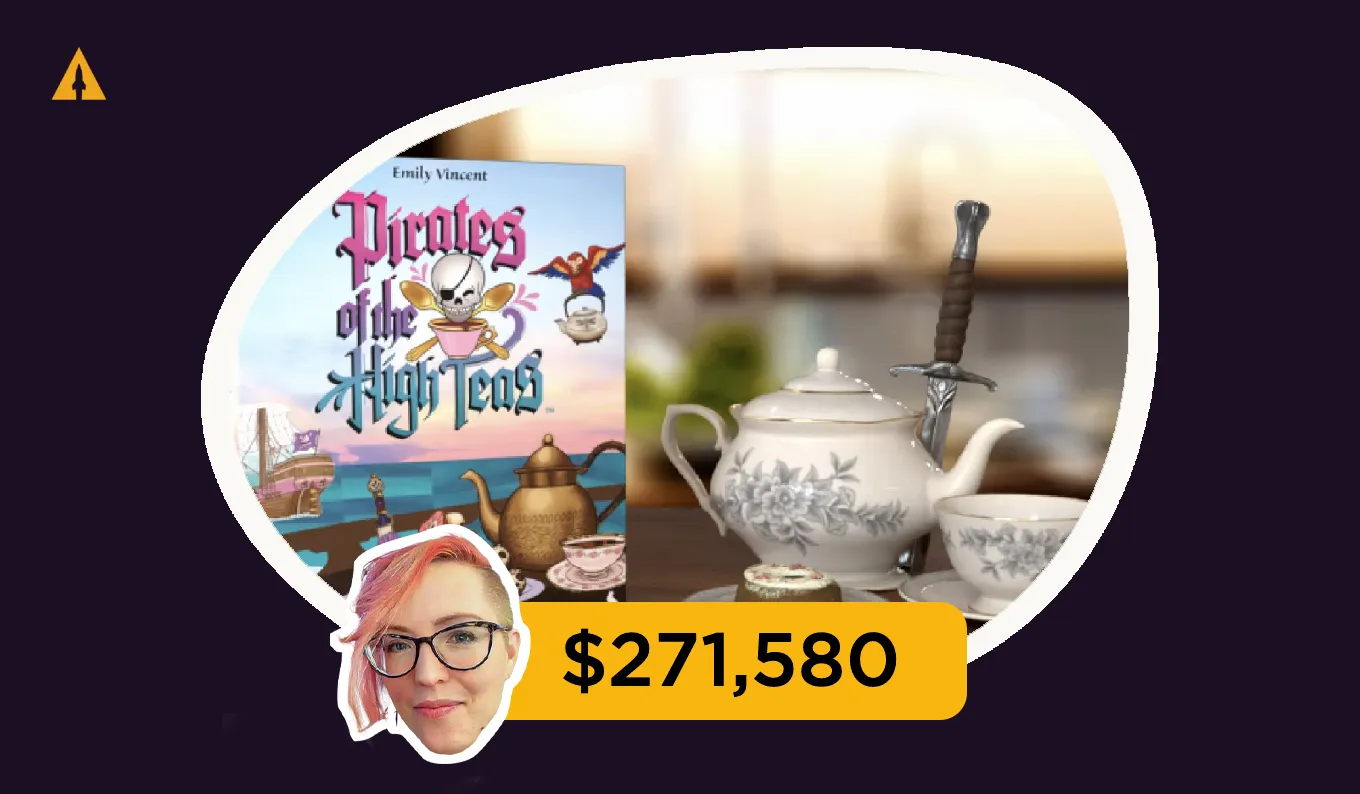
Her first product? A strategy board game called Pirates of the High Teas about whimsical pirate crews competing in a tea party.
She had zero marketing experience. She’d never launched a Kickstarter campaign. And she’d never run a single ad.
Then with my team’s help, she made $271,000 on Kickstarter with over 4,000 backers. On day one alone, she pulled in $79,000. Here’s how she did it.
From Burned-Out Designer to Game Publisher
Emily spent two decades as a UX designer in the tech industry. By 2022, she was feeling disconnected from her creative side. So she went to PAX East, a major gaming convention, hoping to get inspired.
She came home with a different kind of inspiration entirely. “I went to PAX East, and I came back and said, I just didn’t see the games that I wanted to play.”
That frustration turned into action fast. Her partner went out for a run, and three hours later, he came back to find Emily surrounded by little pieces of paper. She’d made a game.
Now, Emily wasn’t a complete newcomer to the world of game design. Twenty years of designing complex software systems, running user testing sessions, and iterating on feedback gave her a serious foundation. She’d even designed a game called Knitting Circle and sold it to an established publisher, FlatOut Games.
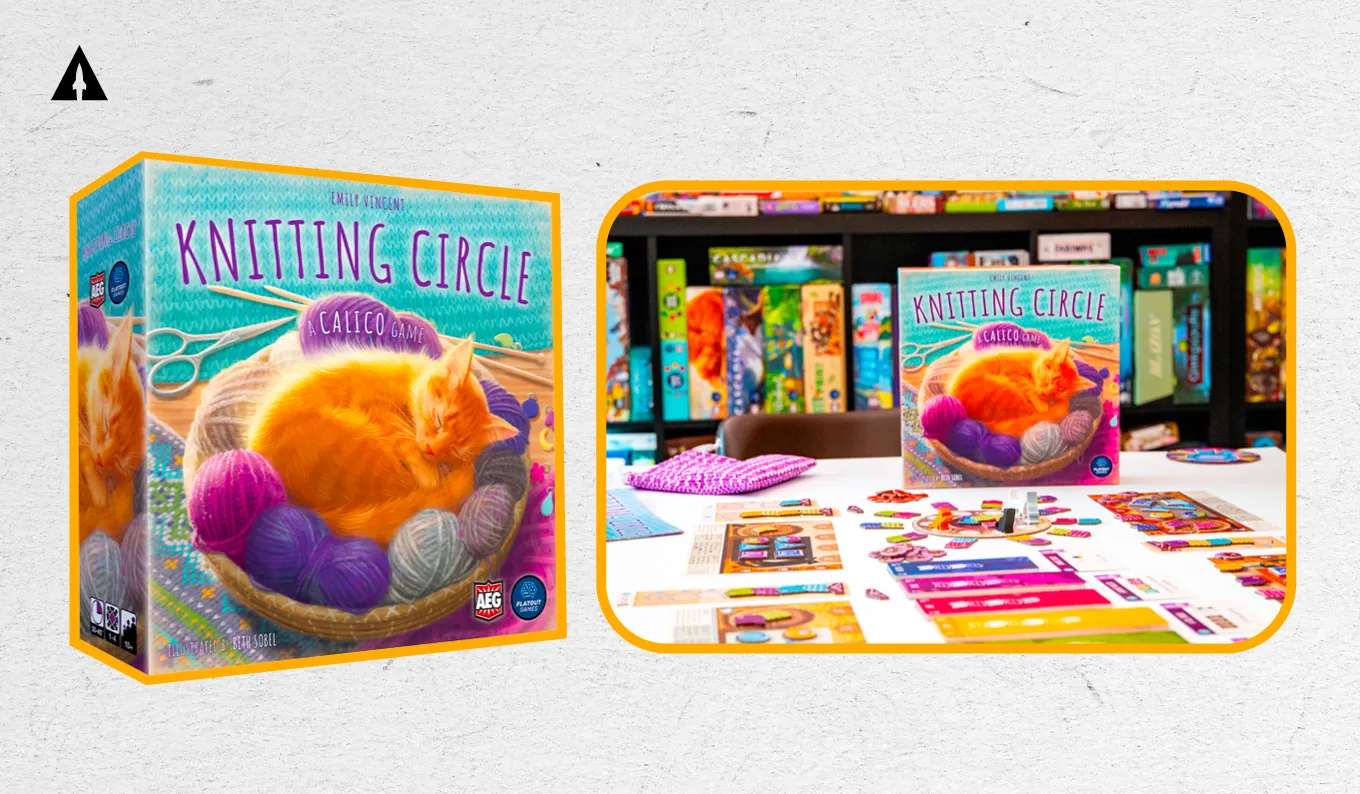
Still, she wanted more than just designing games for someone else. She wanted to build her own company. “I realized that I wanted to start my own publishing company… that this would actually scratch sort of a long time itch that I’d had to have my own company and be my own boss.”
So in 2024, she made the leap. Instead of finding another tech job, she gave herself six months to a year to see what she could make happen with Pink Hawk Games.
Choosing the Right First Product
The first big decision? Picking which game to launch. Emily had a handful of designs she’d been working on.
Some creators might tell you to start small for your first campaign. A simple 52-card game. Something easy to produce.
Emily went a different direction. “I didn’t go that direction in part because I didn’t think I was going to be able to make a splash with a smaller game. It would be such a low price point that it’s really hard to have a campaign that starts to garner some attention.”
This is a strategic choice more first-time creators should think about. Yes, a smaller product is easier to produce. But if you’re trying to build a brand and make a statement, sometimes you need something substantial enough to get noticed.
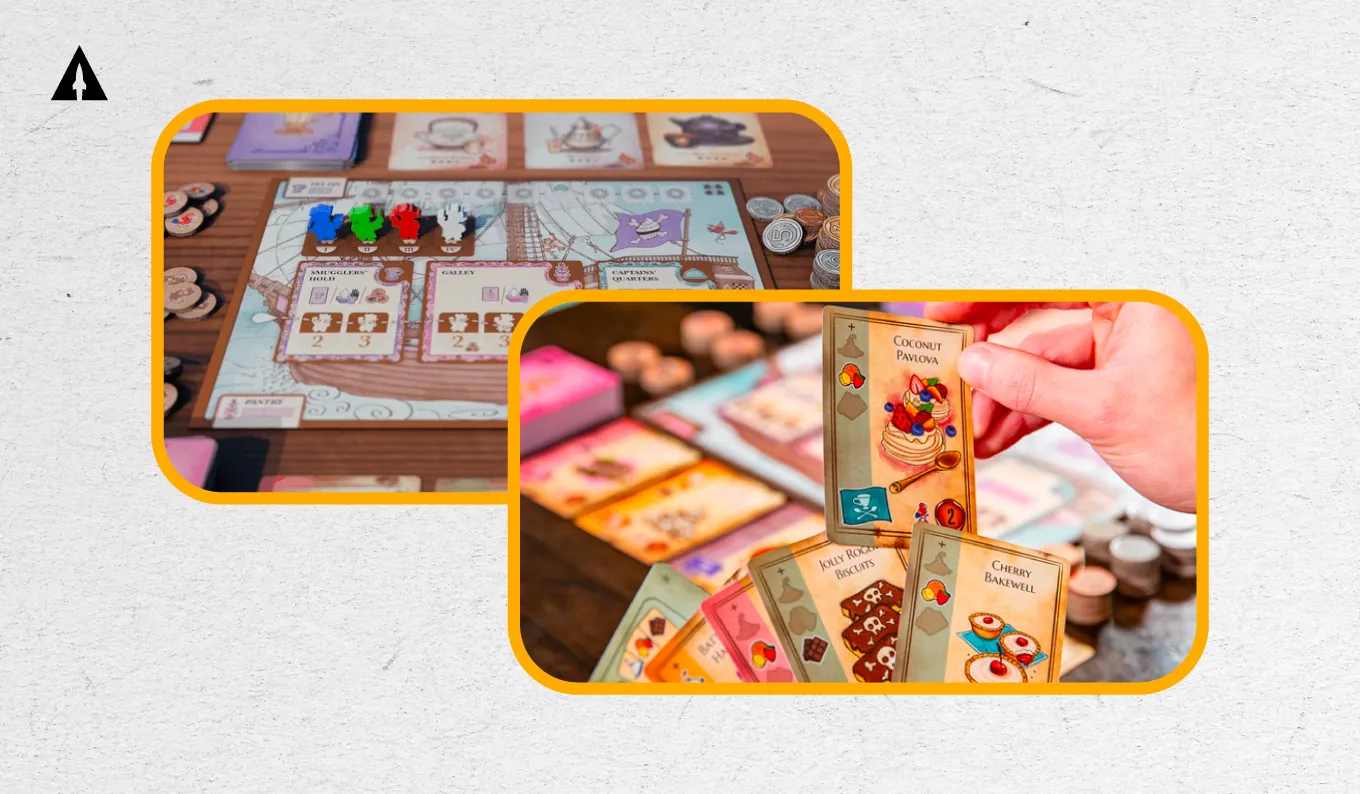
She chose Pirates of the High Teas: a game about pirate crews competing in a tea party. Whimsical, colorful, and unlike anything else on the market.
Next, she did something most creators skip entirely.
A Year of Conventions Before a Dollar on Ads
Before spending any money on digital advertising, Emily spent about a year taking her game to conventions. “I wanted to sort of get a feel for the market, right? For who was excited about this game, who saw the poster from across the floor and ran over and said, oh my God, you have to tell me about this.”
She wasn’t just selling. She was observing. Who got excited? What made people stop at her booth? What words did they use to describe why they liked the game? That information became incredibly valuable when she eventually started running ads.
While doing all of this, she was also playtesting, finishing game development, and commissioning art. At every convention, she kept things simple: a sign-up sheet to collect email addresses from interested people.
Low cost. High learning.
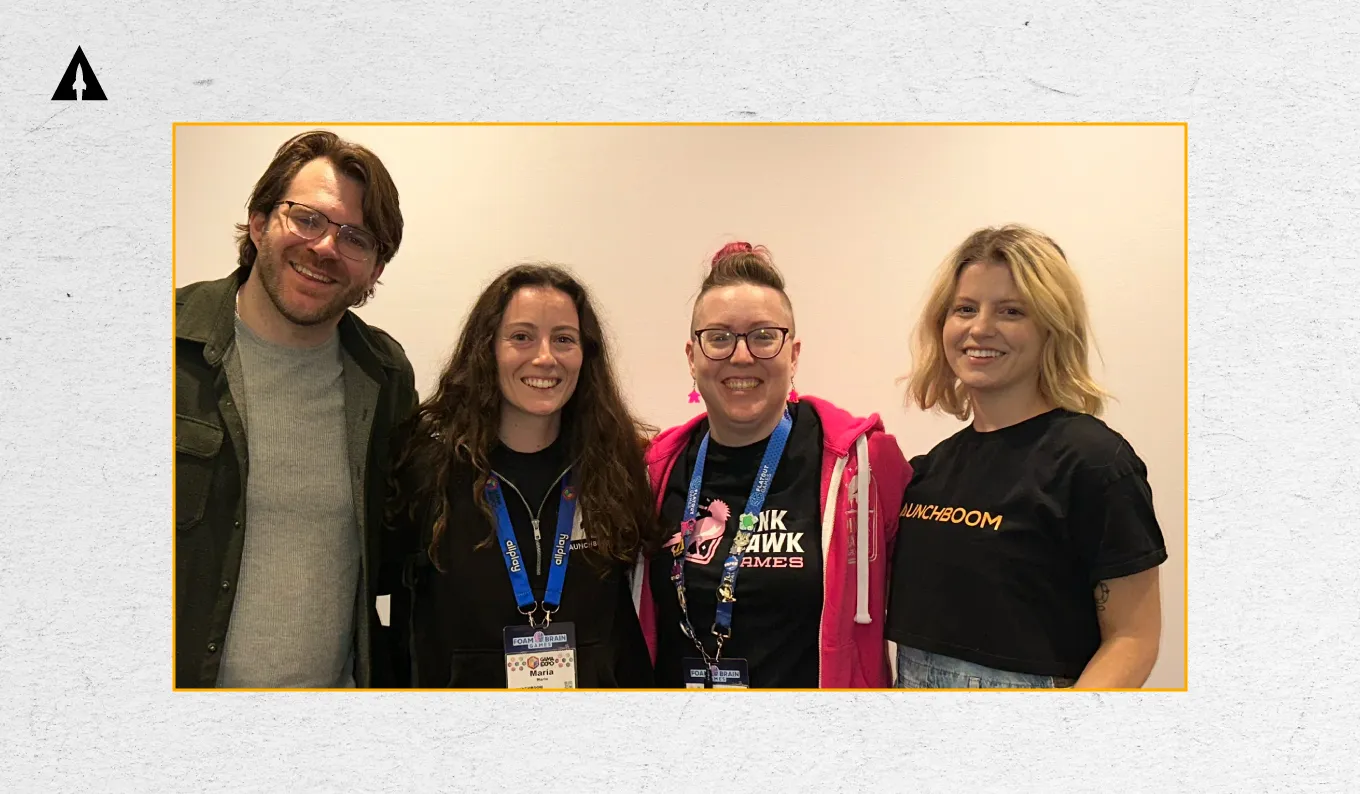
And there was one more benefit of hitting the convention circuit. She ran into some of my LaunchBoom team members at GAMA Expo. “I ran into LaunchBoom at GAMA Expo and was like, hey, tell me more about this.”
She decided to work with us. Here’s why: “While I have all sorts of previous experience, I don’t have any real marketing experience and I wasn’t comfortable with the idea of just hiring someone to do my marketing because I felt like I wouldn’t be able to tell if they were doing a good job… it just feels like a really important thing to know how to do.”
She didn’t want someone to do her marketing for her. She didn’t just want a Kickstarter course. She wanted to learn how to do it herself, with expert guidance. That mindset made all the difference.
Finding Her Superfan
One of the most important concepts in crowdfunding marketing is identifying your superfan. This isn’t just someone who might buy your product. It’s the person who sees it and immediately thinks, “I have to have this.”
“They are the person that, if you had the game in front of them, they just buy it, right? They’re not going to need to be sort of like, sweet talked into it.”
Before going to conventions, Emily had a general idea of who her superfan was. Someone who loves pirates and loves tea.
That might sound very specific. Except the type of pirates she was targeting weren’t the dark, gritty kind. “They’re not Black Sails Pirates. These are Our Flag Means Death or Muppet Treasure Island or One Piece, right? We’re sort of in this like alternative whimsical piracy.”
The conventions confirmed this superfan existed. In fact, one interaction proved it beyond any doubt. “Four wonderful folks came up to me dressed in cosplay and they said, you’re never going to believe this. We are steampunk pirate cosplayers who specifically play as pirates that love tea. And we have tea battles, tea duels… they have this whole community online. It’s like 300 people on a Discord.”
When cosplayers are running up to your booth because your game was literally made for them, you know you’ve found your superfan.
With that clarity, Emily could tailor all of her marketing to speak directly to these people. Every ad, every piece of copy, every image. It all spoke to that specific person.
The VIP Reservation Strategy That Generated $79K on Day One
This is where things get really interesting.
The VIP strategy is simple in concept: before you launch on Kickstarter, get your most excited fans to commit with a small reservation (like a dollar) in exchange for your best launch-day deal.
Emily offered VIPs a mini-expansion called “Golden Ganaches” for only $1. That was an 80% discount off the $5 price it would be on Kickstarter. She used our software, LaunchKit, to set this up.
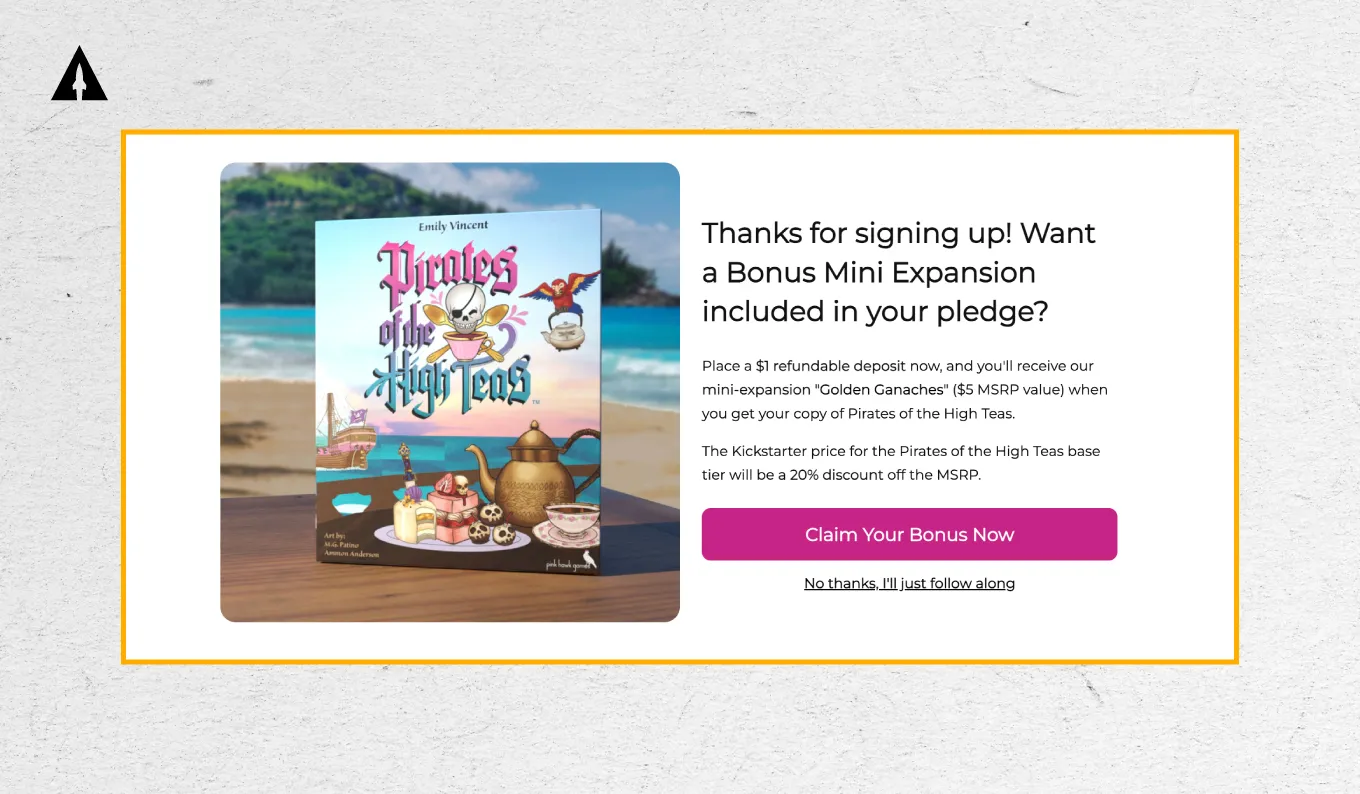
Why does that $1 matter so much? “The superfans are the ones who are probably going to do the VIP offering, right? So they’ll be like, I’ll put down a dollar, I’m in on your campaign, I want to be in your Facebook group to talk about how the game’s evolving.”
It’s not about the dollar. It’s about the commitment. Someone who puts down money, even a small amount, is dramatically more likely to back on launch day. They’ve already raised their hand and said “I’m really interested in this!”
There was another huge benefit. The VIP reservations supercharged her advertising. “Once I was able to start collecting enough folks, I could sort of start to get even more specific about who are these folks, what other things do they like, right? So that then I could use my advertising dollars really well, to just keep finding more super fans.”
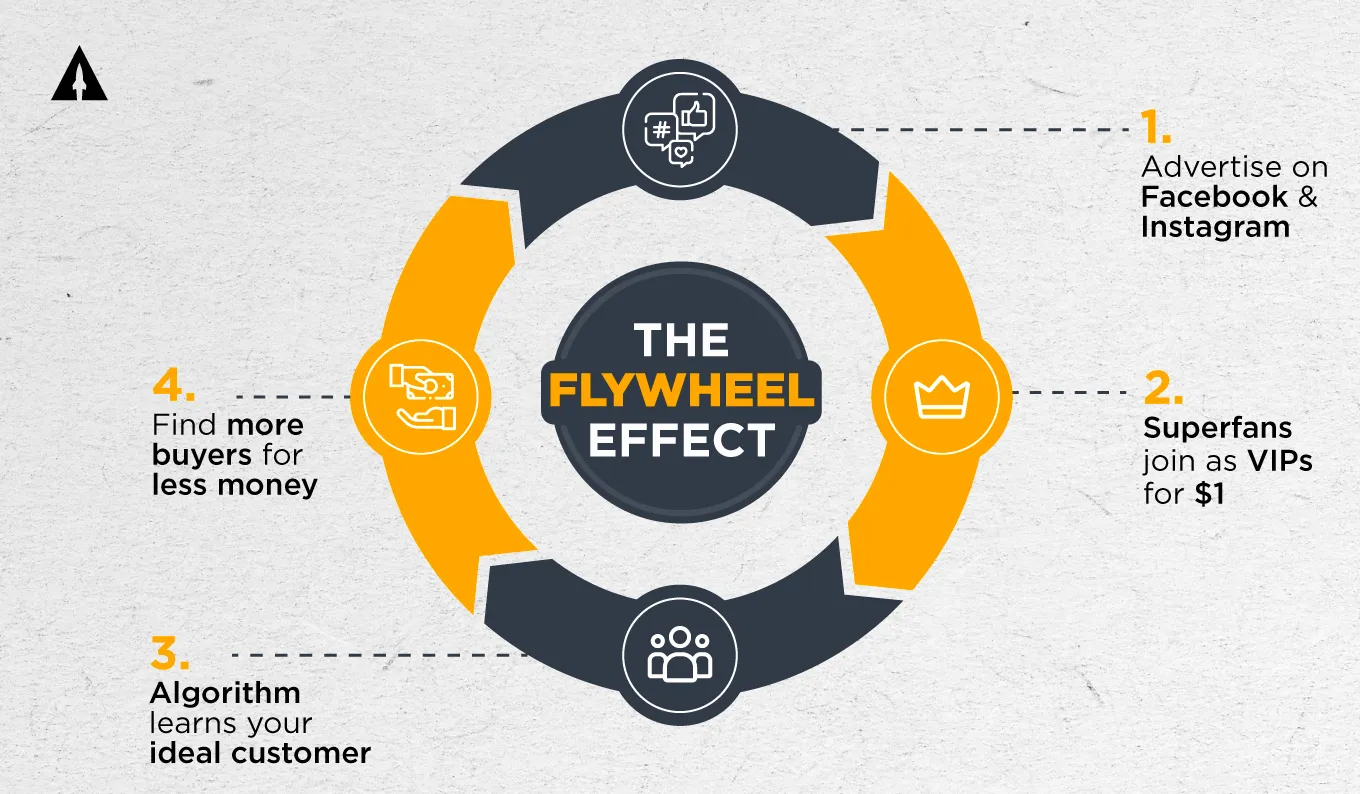
This creates a flywheel effect:
- You advertise on Facebook and Instagram
- Your superfans sign up as VIPs for $1
- That tells the Facebook algorithm exactly who your ideal customer is
- Facebook finds you more of those people for less money
- Repeat
Because she built this VIP list during the pre-launch and her Kickstarter reward tier strategy was locked in, Emily hit $79,000 on the very first day of her Kickstarter campaign.
That first-day momentum was critical. “I think if I hadn’t been so successful in finding those people who were excited and wanted to talk about it, and wanted to bring other people to the campaign, I wouldn’t have had the same sort of momentum.”
And that momentum created a snowball effect she couldn’t have predicted. “In that last week of the campaign, there’s all sorts of content creators who go on and do like crowdfunding roundups of what’s funding well. And I got a whole bunch of new creators who’d never seen the game, who picked up on it because it was doing well financially. They’re like, what is this game that has $200,000 and all these backers?”
So let’s bring the whole pre-launch and launch strategy together:
- She advertised on Facebook during the pre-launch and built an email list of VIP reservations
- She launched on Kickstarter and made over $79K on day one
- She used that momentum to attract Kickstarter’s organic community and outside content creators
- She finished the campaign with over $271K from 4,000+ backers
The pre-launch built the foundation. Launch day proved the concept. And the momentum did the rest.
The Ad Creative That Worked From Day One
Here’s where Emily’s story takes an unusual turn. For most people, ads take time to figure out. You test, you fail, you iterate. That’s normal.
Emily’s first ads just… worked. “I had a fun conversation with some of the folks at LaunchBoom because I started my test marketing and some of the first ads really caught. And I was like, okay, I did my test. I understand what’s working. I’m just going to turn this off now. And everyone was like, no, don’t turn off an ad that’s working.”
So what made them work? It was simpler than you’d think. “My most successful was the box cover, which is just a classic, right? The next one was, I did the box cover and the components on a table, and I rendered that out in Blender… But then I went and found a couple of other assets and so I added a teapot and like a little cake and then I got like a pirate dagger that stuck into the table.”
Two images. That’s it. The box cover and a styled product shot.
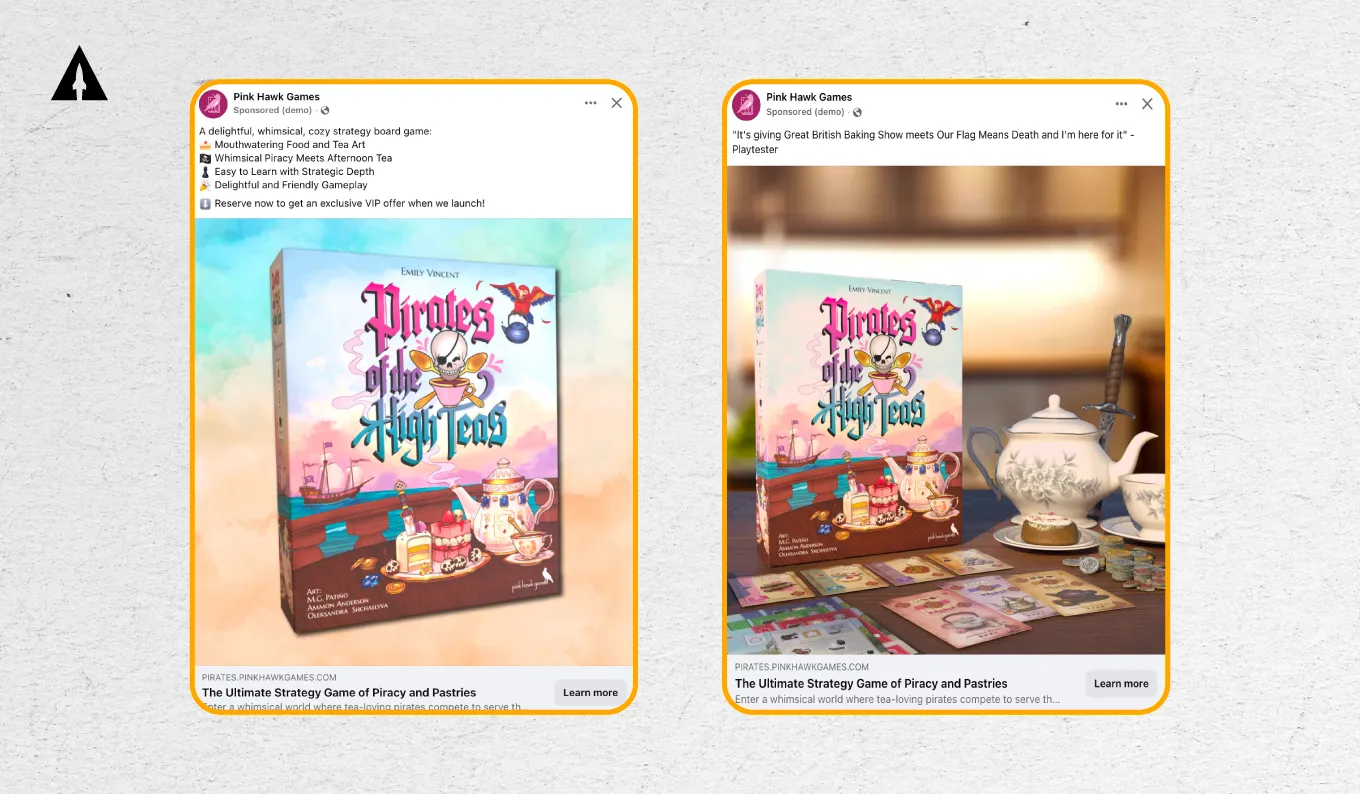
She tried other things. A video walking through the card art. Different creative angles. None of them landed the way those two simple images did. “Nothing really landed the way those two did.”
The lesson here is very important: your board game art matters more than pretty much anything else. If your box cover (or product imagery) isn’t compelling, no amount of production value will save your ads.
Emily took this to heart for future projects. “As I prepare for some future Kickstarters, I’m like, all right, I gotta nail this box, right, because it’s probably going to be the first asset I need and the last asset I need.”
Your product’s visual first impression is your most powerful marketing asset. Invest in it early.
The Full Picture
Emily went from a 20-year tech career to a $271,000 Kickstarter campaign with her very first launch. She had no marketing experience. She had no audience when she started. What she did have was:
- The right game: Something substantial enough to make a splash and unique enough to stand out
- A clear understanding of her superfan: Built through a year of convention testing before spending a dollar on ads
- The patience to do it right: Even when that meant taking longer than she originally planned
- A proven pre-launch system: Using the VIP reservation strategy to build a committed audience before launch day
She’s not planning to go back to corporate any time soon.
Want Results Like Emily’s?
Emily’s launch didn’t happen by accident. It was built on a proven system: identifying her superfan, building a VIP reservation list, running targeted ads, and launching with momentum that attracted thousands of backers.
That’s exactly the kind of strategy we help creators execute every day at LaunchBoom.
If you’ve got a product you’re thinking about launching in the next year, we’d love to talk through your project and show you how we can help. Book a call with a LaunchBoom expert here and we’ll talk through how we can help you.
