



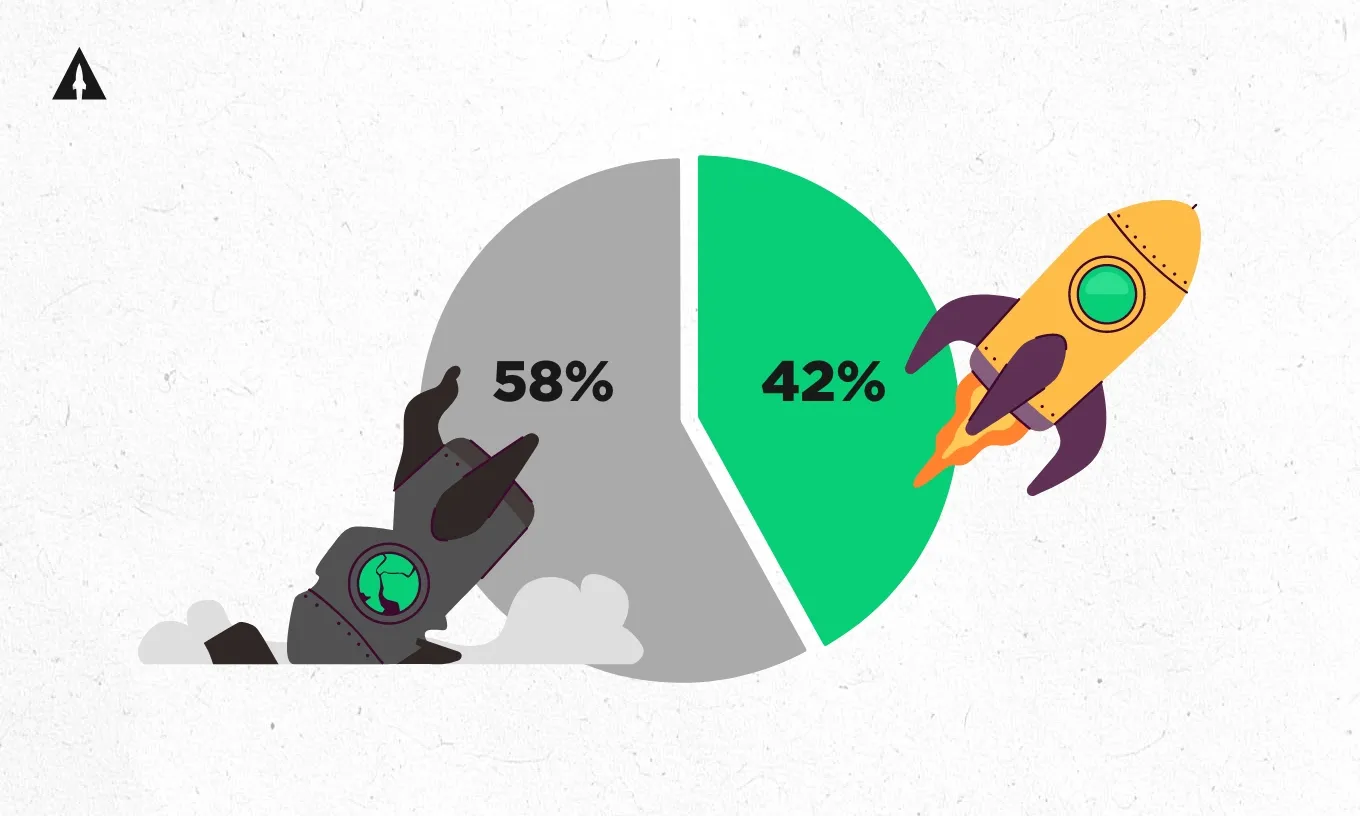
The difference between a funded campaign and a failed one? Thinking like a Kickstarter expert. With Kickstarter campaigns raising close to $1 billion a year and success rates hovering around just 42% (as of January 2026), having the right expertise can literally make or break your project.
But here’s the thing – you don’t necessarily need to hire a consultant to think like one.
I understand that many creators are experiencing significant worry right now about launching their campaigns. The competition is fierce, and the stakes feel impossibly high. But don’t worry – I’m going to guide you through it.
The goal of this guide is simple: give you the exact mindset and strategies that Kickstarter experts use to consistently launch successful campaigns. And by the end, you can launch your campaign with the same strategic thinking that separates the pros from the hopefuls.
By the way, I just put out this YouTube video where I roast 6 campaigns so you can see how a Kickstarter expert thinks:
Key Takeaways
- Kickstarter experts focus on product-market fit before anything else – they assess whether your product truly belongs on a crowdfunding platform
- Strategic funding goal setting is critical – experts calculate goals based on real costs, not wishful thinking
- Pre-launch preparation determines 80% of campaign success – email lists, testing, and validation happen months before launch
- Skimmability trumps everything – experts optimize every page element for mobile users who scroll fast
- Bold claims backed by proof convert better than generic benefit statements
- Testing and iteration separate successful campaigns from failed ones – experts validate before they invest in ads
What Is a Kickstarter Expert and Why You Need To Think Like One
A Kickstarter expert is someone who specializes in the unique psychology, mechanics, and strategy required for successful crowdfunding campaigns. They’re not just general marketing consultants – they understand the specific nuances of platforms like Kickstarter and the mindset of early adopters who back projects.
Here’s what separates them from regular marketers: they know that crowdfunding success depends on community building, not just advertising. They understand pricing psychology. And most importantly, they know how to assess whether a product actually fits the crowdfunding model.
For first-time creators especially, learning to think like a Kickstarter expert can increase your chances of success tenfold. Because what’s going on is that most creators approach crowdfunding like traditional e-commerce – and that’s exactly why they fail.
The value isn’t just in the tactical knowledge. It’s in developing the expert mindset that sees potential problems before they become campaign killers.
8 Kickstarter Expert Strategies to Launch a Successful Campaign
Let me walk you through the most important methods and mindsets that Kickstarter experts use when planning how to promote a Kickstarter campaign.
1. Start with the Right Product-Crowdfunding Fit
Before anything else, Kickstarter experts assess whether a product is actually viable for crowdfunding. Not every product belongs on Kickstarter. They look for three key factors: uniqueness, clear pain point resolution, and audience excitement.
If someone can easily buy something similar on Amazon, it probably doesn’t belong on Kickstarter.
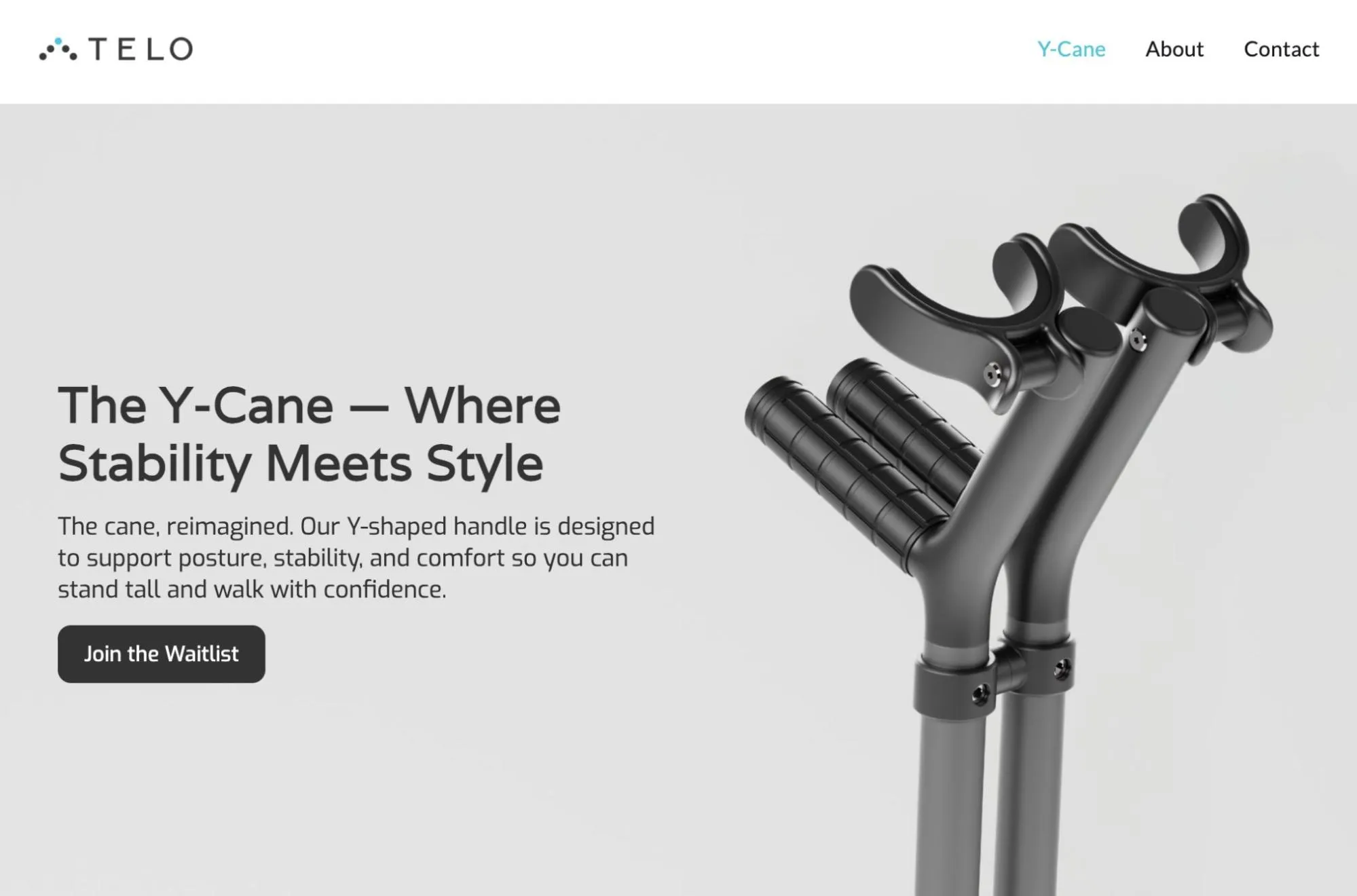
For example, this cane has an innovative Y-shaped handle that improves posture – that’s crowdfunding material. It’s solving a real problem (poor posture from traditional canes) with a visually distinct solution that people can get excited about.
But a generic hoodie, even if well-made? That’s a harder sell unless there’s something truly revolutionary about the materials or design process. The expert question is always: “Is this something people will want to be first to own, or something they can wait to buy retail?“
2. Set a Strategic and Attainable Funding Goal
This is where most creators mess up completely. They either set goals based on what they want to raise or pick numbers that sound impressive. Here’s how to set your funding goal. Kickstarter experts use a simple formula:
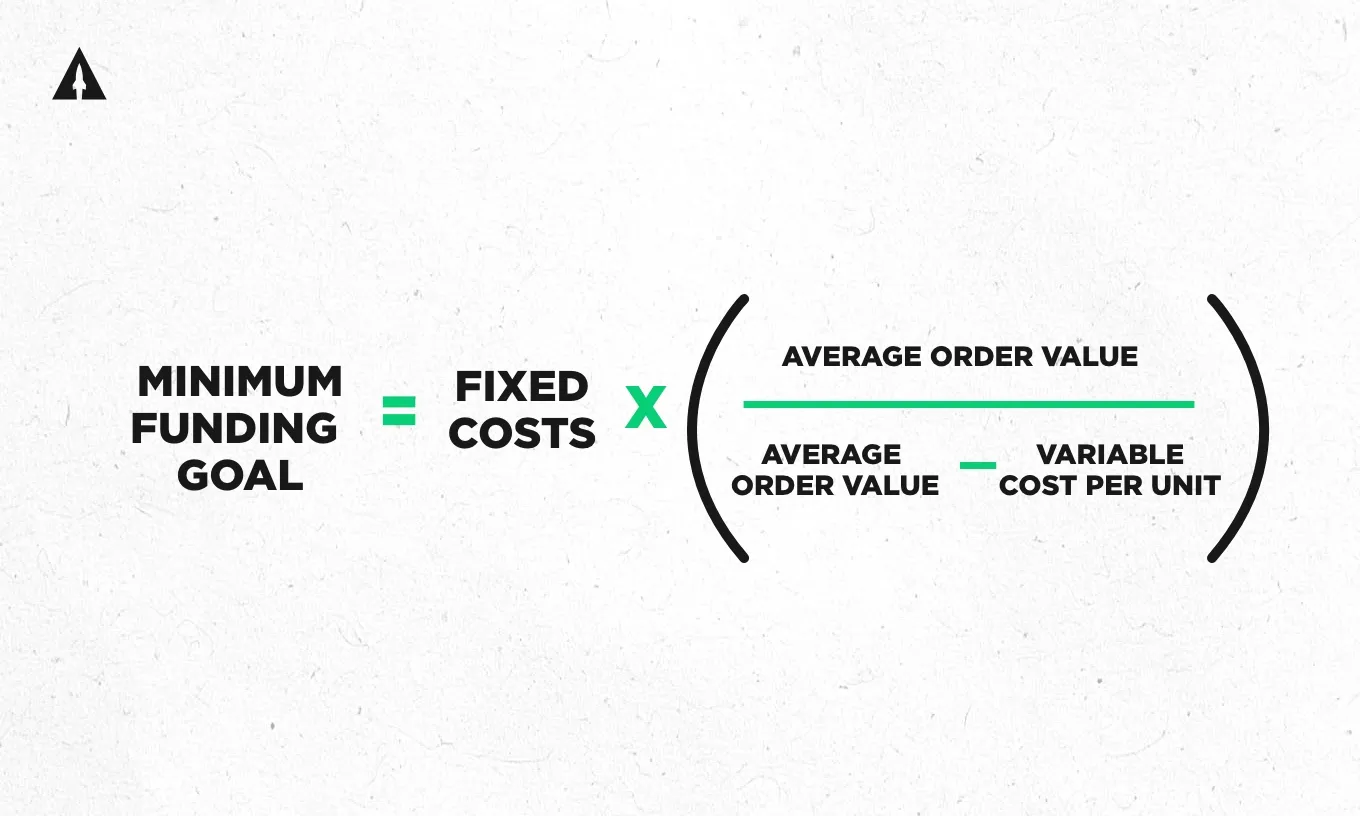
Here’s an example of how to think about it. Let’s say your variables looked like this:
- Fixed costs: $13,500
- Average order value: $100
- Variable cost per unit: $10.40
Then the formula would look like this:
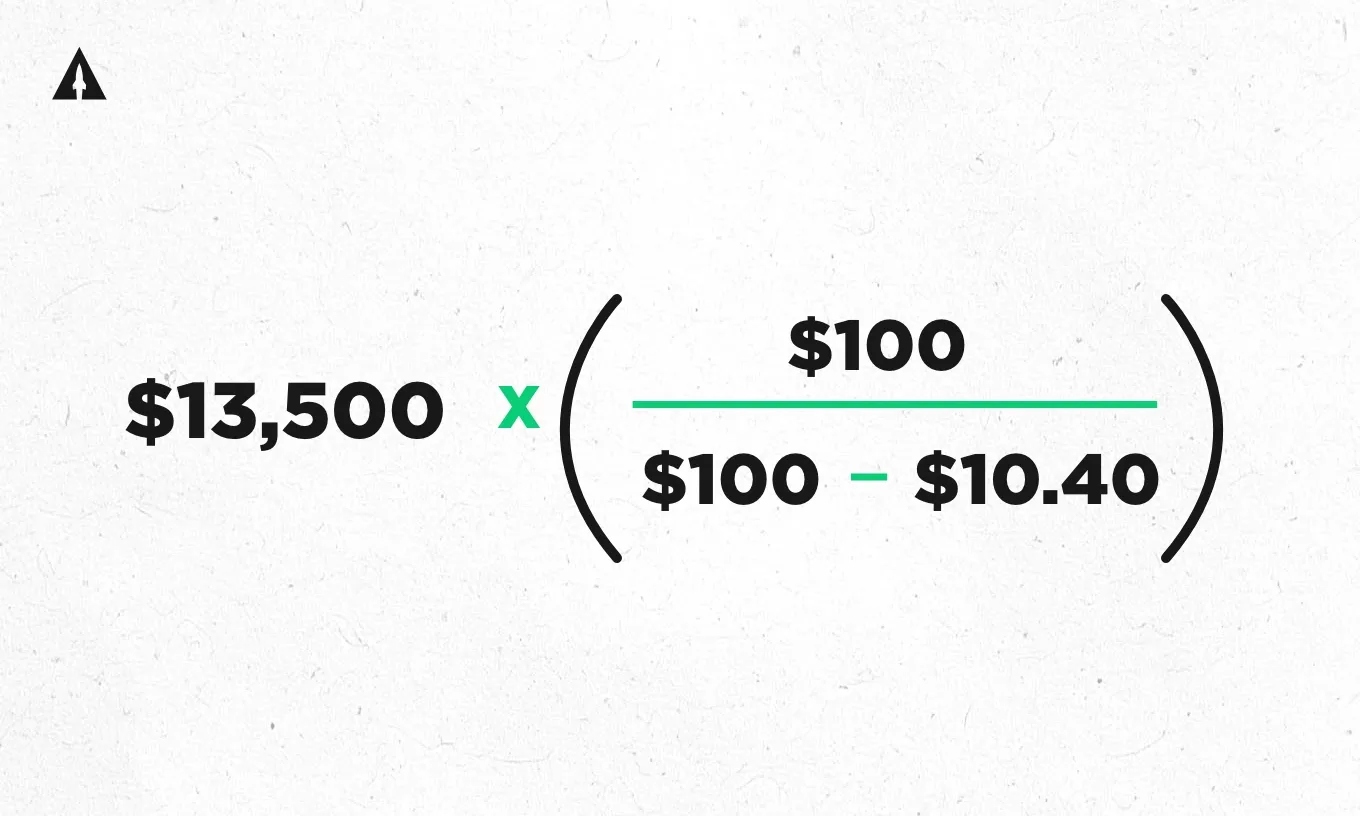
In this example, that’d put your minimum funding goal at ~$15,000. (Note that this doesn’t cover how much Kickstarter charges in fees, so you’ll want to also factor that in.)
So the goal isn’t necessarily to raise as much as possible. It’s to raise at least what you need to deliver on your promises and validate demand.
And here’s the expert secret: lower goals create momentum. A campaign at 150% funded looks way more attractive than one struggling at 60% of a higher goal.
3. Craft a Clear and Compelling Value Proposition
Most campaign pages sound like they’re trying to be clever instead of clear. Kickstarter experts focus on one thing: making a bold claim that immediately tells people why they should care. Check out the headline on this pre-launch page for a product that will be launching on Kickstarter:
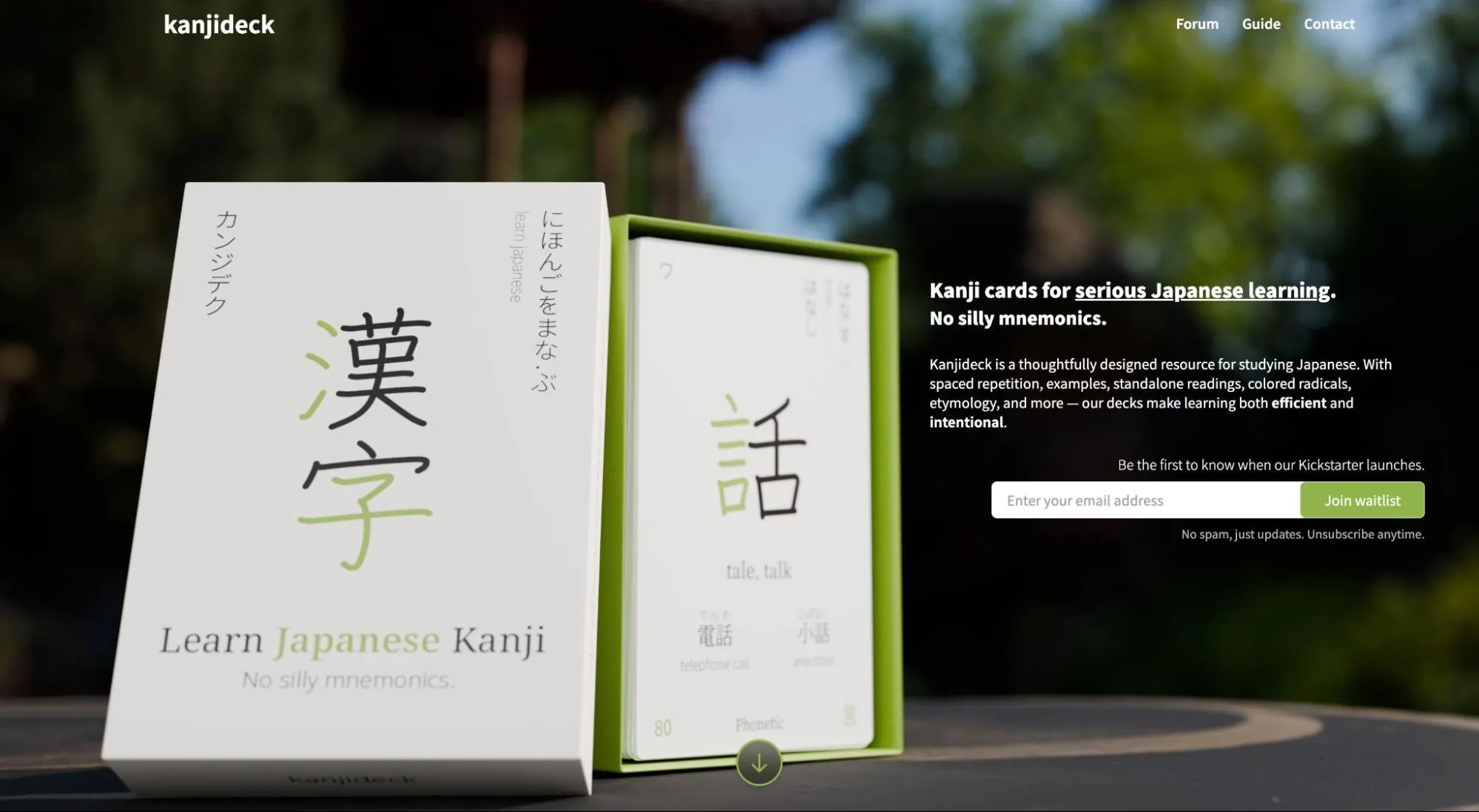
Instead of “Kanji cards for serious Japanese learning. No silly mnemonics,” an expert would write something like “Learn Japanese 2x faster with our scientifically-designed card system.”
The difference? The first one implies other methods aren’t serious (without proof). The second makes a specific, measurable claim about results.
Your headline needs to answer the question: “What’s in it for me?” And it needs to do it in a single sentence that someone can understand while scrolling on mobile.
Generic benefit statements like “incredibly soft, breathable, thermo-regulating” could describe any hoodie. Bold claims like “the warmest, softest alpaca wool performance hoodie ever created” – now that’s something that stops the scroll.
4. Build Email Lists Before the Launch
Experts start building their audience months before launch, not days. They create simple landing pages with one goal – collect email addresses from people interested in the product. The page focuses on the problem the product solves and offers early bird perks for signing up.
But here’s the key insight: they remove all navigation from these landing pages. No “About” links, no “Contact” pages, no forum links. Because if you’re paying for traffic to drive people to your landing page, you want them to do exactly one thing – give you their email.
The expert approach is to treat every visitor like they cost money to acquire (because they do). So make it as easy as possible for them to take the one action you want.
A good pre-launch landing page converts 15-25% of visitors into email subscribers. Anything less means your messaging isn’t clear enough or you’re targeting the wrong audience.
5. Design with Skimmability in Mind
This is huge, and most creators completely miss it. With 90%+ of traffic to pre-launch landing pages coming from mobile, and mobile users skimming everything, you have to design your pages with skimmability in mind. They break up sections into simple patterns:
- One clear headline per section
- 2-4 sentences maximum of supporting text
- Visual elements that support the text
- Lots of white space
When you see walls of text on a campaign page, that’s a mistake.
Experts know that if someone has to think hard to understand your page, you’ve already lost them. They also avoid complex infographics with tiny text and multiple concepts. Instead, they use simple callouts with clear benefits that someone can understand in 2 seconds while scrolling with their thumb.
The expert test: can someone understand your main value proposition by skimming your page in less than 10 seconds on mobile? If not, it needs work.
6. Create Compelling Rewards and Pricing Tiers
Reward structure is where Kickstarter experts really separate themselves from beginners. They understand the psychology of early adopters and structure tiers accordingly.
First rule: they don’t waste precious real estate on $1 “support” rewards. If someone wants to support for a buck, they can use the “Back this project” button and enter $1. But reward tiers should offer real value.
Second rule: they always include text descriptions for each reward tier. Don’t make people hover over items to understand what they’re getting. Tell them clearly in the text what’s included.
Third rule: they limit the number of tiers. Too many options create decision paralysis. Most successful campaigns have 3-5 meaningful reward levels, not 10+ options that confuse backers.
The expert approach is to think about reward tiers like a product line – each tier should offer clear value progression that makes sense to your specific audience.
7. Use Video and Visuals Strategically
Here’s something that surprises most creators: people don’t usually watch videos on landing pages.
Why? Because mobile users rarely click to watch videos, and videos take up valuable real estate that could be used for clear messaging.
Instead, they focus on high-quality product photography or gifs that tell the story visually. Hero shots that immediately communicate what the product is and does. Lifestyle imagery that shows the product in use. Feature callouts that highlight key benefits.
When they do use video, it’s strategically placed and serves a specific purpose – usually demonstrating functionality that’s hard to show in static images. Your visuals should work even if someone never clicks play on your video. Because most people won’t.
8. Test and Iterate Before Going Live
This is where the pros really shine. They don’t just create a campaign page, launch and hope it works – they test everything first. In the pre-launch, they spend money on ads and test different headlines, different value propositions, and even pricing.
You want to validate demand and messaging before launching your campaign. It’s better to spend time & money getting it right in the pre-launch before spending a lot more time and money trying to fix it after the launch.
Learn from Kickstarter Experts: 2 Crowdfunding Campaigns That Nailed It
Let’s look at successful campaigns from different industries to see what true Kickstarter expertise looks like in action.
Modi Boxi: Nailing the STL File Pitch with Clarity
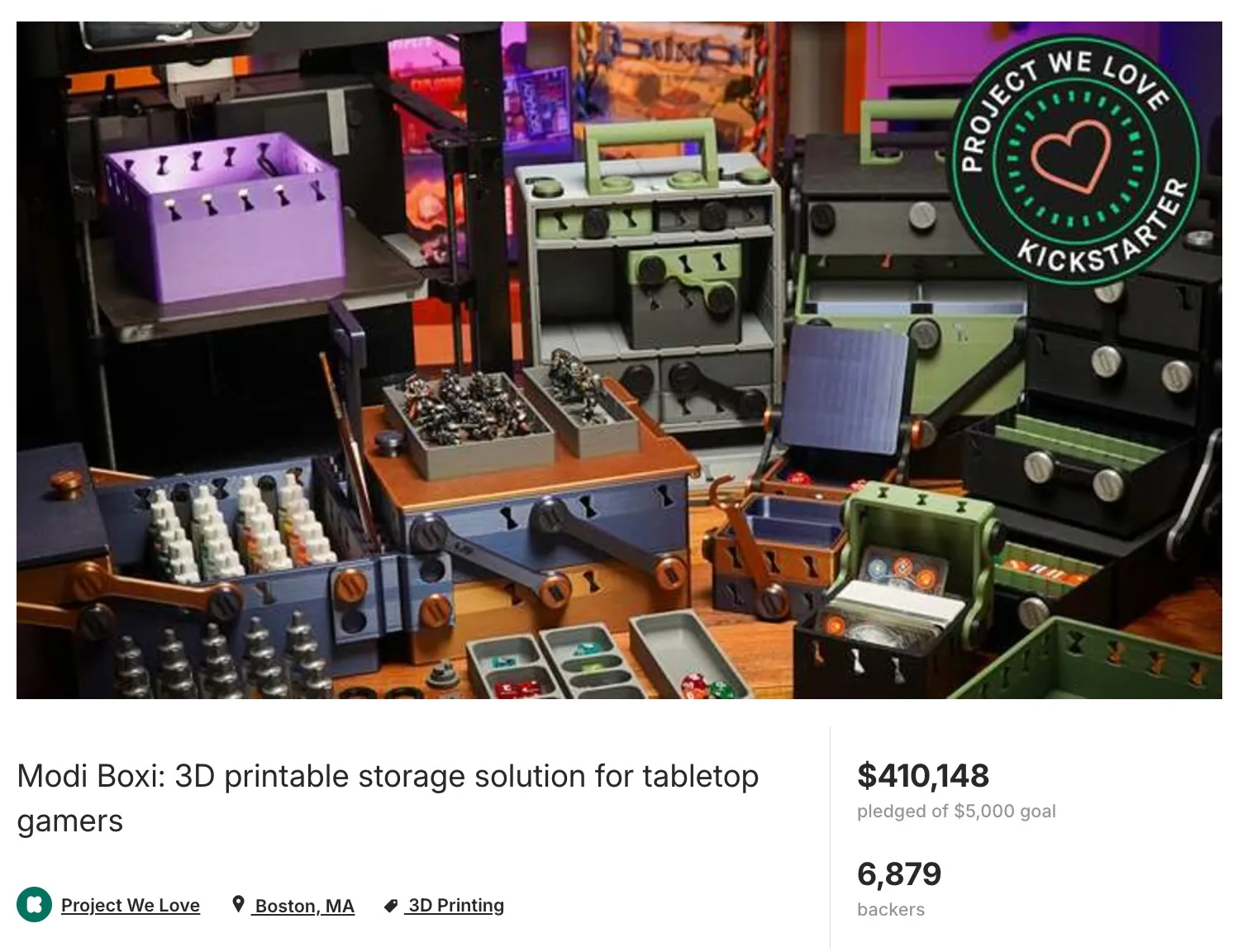
This 3D printing campaign succeeded where others failed because they made their value proposition crystal clear: “3D printable storage solution for tabletop gamers.”
Notice how specific that is. They didn’t say “innovative storage solutions” or “customizable organization system.” They told you exactly what you get (3D printable storage solution) and exactly who it’s for (tabletop gamers).
Clarity trumps cleverness every time. Your audience needs to immediately understand what they’re buying and why they need it.
They also understood their niche audience perfectly – tabletop gamers who own 3D printers. That’s a specific community with specific needs, and they spoke directly to those needs.
William Painter Titan Socks: Proof Wins
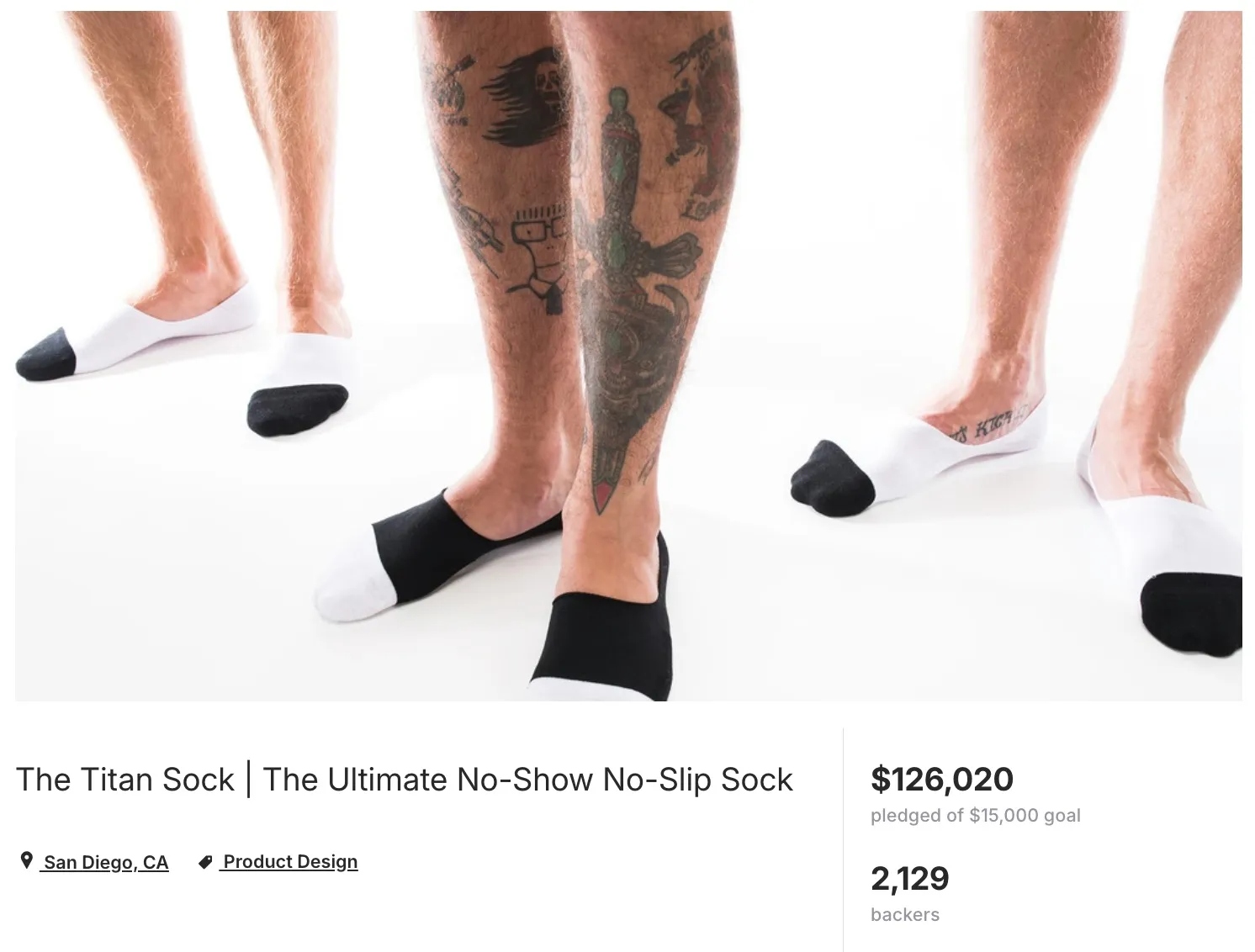
This campaign succeeded because they made bold claims and then immediately backed them up with visual proof. They didn’t just say their socks were stronger – they showed comparison videos of their “Titan thread” versus traditional materials.
The expert approach here was understanding that bold claims without proof sound like marketing fluff. But bold claims with visual validation convert like crazy. They used simple before-and-after style demonstrations that anyone could understand in seconds. The proof was so clear that it eliminated objections before people could even think of them.
This reinforces a key expert principle: show, don’t tell. Visual validation beats written descriptions every time.
Should You Hire a Kickstarter Campaign Consultant?
Now that you understand what Kickstarter expertise looks like, the question becomes: should you hire someone or develop these skills yourself? Here’s when it makes sense to hire outside help:
- You have a marketing budget of at least $10,000
- You’re in a competitive product category
- You don’t have time to learn these skills on your own
- You’ve tried crowdfunding before and failed
When evaluating a potential consultant, look for:
- Portfolio of successful campaigns in your product category
- Data-driven approach to strategy and optimization
- Niche experience with your type of product and audience
- Clear process for campaign development and execution
With an expert you get proven strategies and avoid expensive mistakes.
The DIY approach works if you’re willing to invest time in learning. There are excellent free crowdfunding resources that can teach you these principles.
But be honest about your capacity to execute everything properly. Either way, understanding these expert principles will help you make better decisions about your campaign.
Final Thoughts
Thinking like a Kickstarter expert isn’t about having some secret knowledge that’s hidden from regular creators. It’s about approaching crowdfunding with the right mindset and proven strategies.
The experts focus on fundamentals: clear value propositions, strategic goal setting, audience building, and relentless testing. They understand that successful campaigns are built on months of preparation, not last-minute inspiration.
Most importantly, they know that crowdfunding success comes from solving real problems for specific people, not from having the coolest product or the slickest video.
Start with these principles, test everything, and remember – even the experts started as beginners once.
Ready to start planning your campaign like a pro? Talk with one of our Kickstarter experts. Tell us a little bit about your product and we’ll set up some time to chat through your launch.
Kickstarter Expert FAQ
What Does a Kickstarter Expert Do?
A Kickstarter expert handles the complete strategic development of crowdfunding campaigns. Their responsibilities include campaign strategy development, funding goal planning based on real costs, reward tier structuring for optimal conversion, copywriting that speaks to early adopters, and ad campaign oversight.
They also conduct pre-launch market validation, competitive analysis, and landing page optimization. Most importantly, they help creators avoid the common mistakes that kill campaigns before they even get started. The key difference from general marketers: they understand crowdfunding-specific psychology and platform mechanics that don’t apply to traditional e-commerce.
How Much Does a Kickstarter Campaign Consultant Cost?
Kickstarter consultant costs vary significantly based on the services provided and campaign complexity.
Hourly rates typically range from $150-500 per hour for strategy sessions and audits.
Project-based fees for campaign development can range from $5,000 to $25,000 plus a commission depending on how much work they’ll be taking on.
How much is worth investing in depends on how much of the work you want to DIY vs. hand off to a consultant.
What’s the Difference Between a Consultant and a Kickstarter Marketing Agency?
A consultant typically focuses on coaching and strategy development. They’ll audit your campaign, develop your strategy, and train you to execute it yourself. Think of them as advisors who transfer knowledge to your team.
A Kickstarter marketing agency typically does some of the work for you. For example, they may build your pre-launch funnel, create your campaign page, make your Kickstarter video and/or manage your ads.
Many successful creators work with a blend of consultants and Kickstarter marketing agencies.
What Are the Most Important Kickstarter Launch Tips?
The most critical launch tips from expert campaigns are:
- Build your email list first – start collecting interested prospects 3-6 months before launch. Successful campaigns often have 1,000+ email subscribers before going live.
- Test your messaging early with real potential customers. Get feedback and iterate before going live with your campaign.
- Optimize everything for mobile skimmability – 90%+ of traffic typically comes from mobile in the pre-launch, so your page needs to work perfectly for thumb-scrolling users.
- Define your target audience precisely – successful campaigns speak to specific people with specific problems, not “everyone who might like this product.”
- Set strategic funding goals based on real costs, not wishful thinking. Lower, achievable goals create momentum better than ambitious targets you can’t hit.
How Do I Know If My Product Is Right for Kickstarter?
Ask yourself these key questions that experts use to evaluate product-platform fit:
- Is it truly unique or innovative? If people can buy something similar on Amazon, it probably doesn’t belong on Kickstarter. Early adopters want to be first to own something special.
- Does it solve a clear, specific problem? Successful products address pain points that their target audience actively experiences and talks about.
- Is it visually appealing and shareable? Crowdfunding relies heavily on social sharing and visual storytelling. Products that photograph well and generate excitement perform better.
- Do you have community potential? The best Kickstarter products attract passionate communities who want to support the creator’s vision, not just buy a product.
- Are you production-ready? You should have working prototypes and clear manufacturing plans before launching. Kickstarter isn’t for funding product development – it’s for funding production of working prototypes.
If you can answer “yes” to most of these questions, your product likely has good crowdfunding potential.
