



Kickstarter changed everything. What used to require venture capital, bank loans, or personal savings can now be funded by passionate backers who believe in your vision. Thousands of creators—from first-time founders to seasoned entrepreneurs—have used Kickstarter crowdfunding to validate products, attract backers, and build unstoppable brand momentum.
But here’s the thing: success isn’t guaranteed just because you have a great idea. The right strategy, team, and execution plan can exponentially increase your success rates.
Take Keegan O’Connor, for example. He went from landscaper to Kickstarter expert, raising $439,000 in 31 days with a completely new type of cold plunge product. And the crazy part? He had no background in the industry.
In this guide, I’ll break down exactly how Kickstarter crowdfunding works, the step-by-step blueprint Keegan used to raise nearly $200,000 in one day, and the proven strategies that separate successful campaigns from the ones that never reach their goals.
Also, if video is more your thing, check out the YouTube version of this article:
Key Takeaways
- Kickstarter isn’t “build it and they will come” - Success requires strategic pre-launch preparation, audience building, and systematic execution
- Customer research is everything - Talking to potential customers reveals positioning insights you’d never discover on your own
- Reservation funnels convert 35-40% compared to typical email conversion rates of 1-3%
- Premium visuals and professional assets are non-negotiable for high-priced products
- Launch day requires full-time attention - Monitor data, engage with backers, and respond in real-time
What Is Kickstarter Crowdfunding?
Kickstarter crowdfunding is a rewards-based platform where creators fund products through individual pledges from backers. Unlike venture capital or bank loans, you don’t give up equity or take on debt. Instead, you offer rewards—typically early access to your product at a discount.
Here’s how it works: You set a funding goal and campaign duration (usually 30-45 days). Backers pledge money in exchange for rewards at different price tiers. If you hit your goal, you get the money and fulfill the rewards. If you don’t, nobody gets charged. Indiegogo used to differ here, but since its October 2025 relaunch it’s all-or-nothing too (more in our Indiegogo vs. Kickstarter comparison).
But Kickstarter crowdfunding is fundamentally different from other funding sources. You’re not just raising money—you’re building a community, validating market demand, and creating momentum for your brand. The platform gives you access to 26+ million backers who are actively looking for innovative products to support.
How to Start a Kickstarter Campaign: A Step-by-Step Blueprint for First-Time Founders
Success on Kickstarter isn’t about luck. It’s about executing a proven process that starts months before you hit the launch button.
1. Identify a Real Problem Worth Solving
Everything starts with a problem that people actually want solved.
Keegan discovered this when he was trying to solve his own problem with cold plunges. He bought several solutions that were marketed as turning bathtubs into cold plunges, but they all didn’t work. “They were using the same underlying components. It wasn’t practical,” Keegan explained. “If you’re going to use something, especially getting in a tub of cold water, which inherently sucks and everybody agrees that it’s really hard to build a habit if the experience isn’t frictionless.”
That’s when he called his co-founder Brandon and said, “I think we have a problem to solve.”
The key insight? Don’t just identify any problem—identify a problem that makes the current experience frustrating or impractical. That’s where breakthrough products come from.
2. Validate Your Product Idea Early
Before you invest months of time and thousands of dollars, you need to know if people actually want what you’re building.
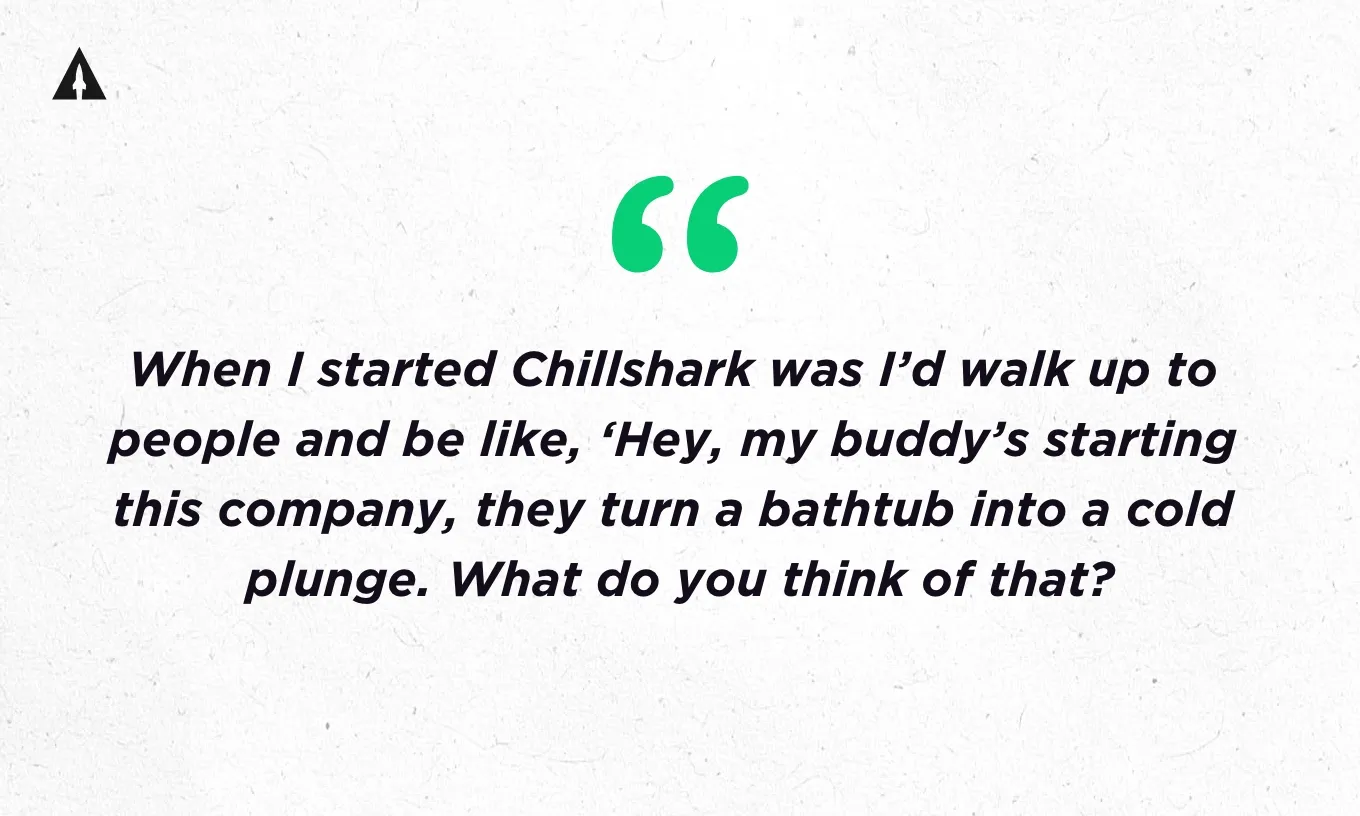
Keegan’s approach was brilliant in its simplicity. “This is actually the easiest thing ever,” he said. “You go out and you share the idea as if it was your buddy’s idea. So, for example, what I did when I started Chillshark was I’d walk up to people and be like, ‘Hey, my buddy’s starting this company, they turn a bathtub into a cold plunge. What do you think of that?’”
By framing it as someone else’s idea, you remove your emotional attachment and get honest feedback. Keegan was hoping people would say it was a terrible idea, but everyone kept going on about how much they loved it.
3. Perfect Your Positioning
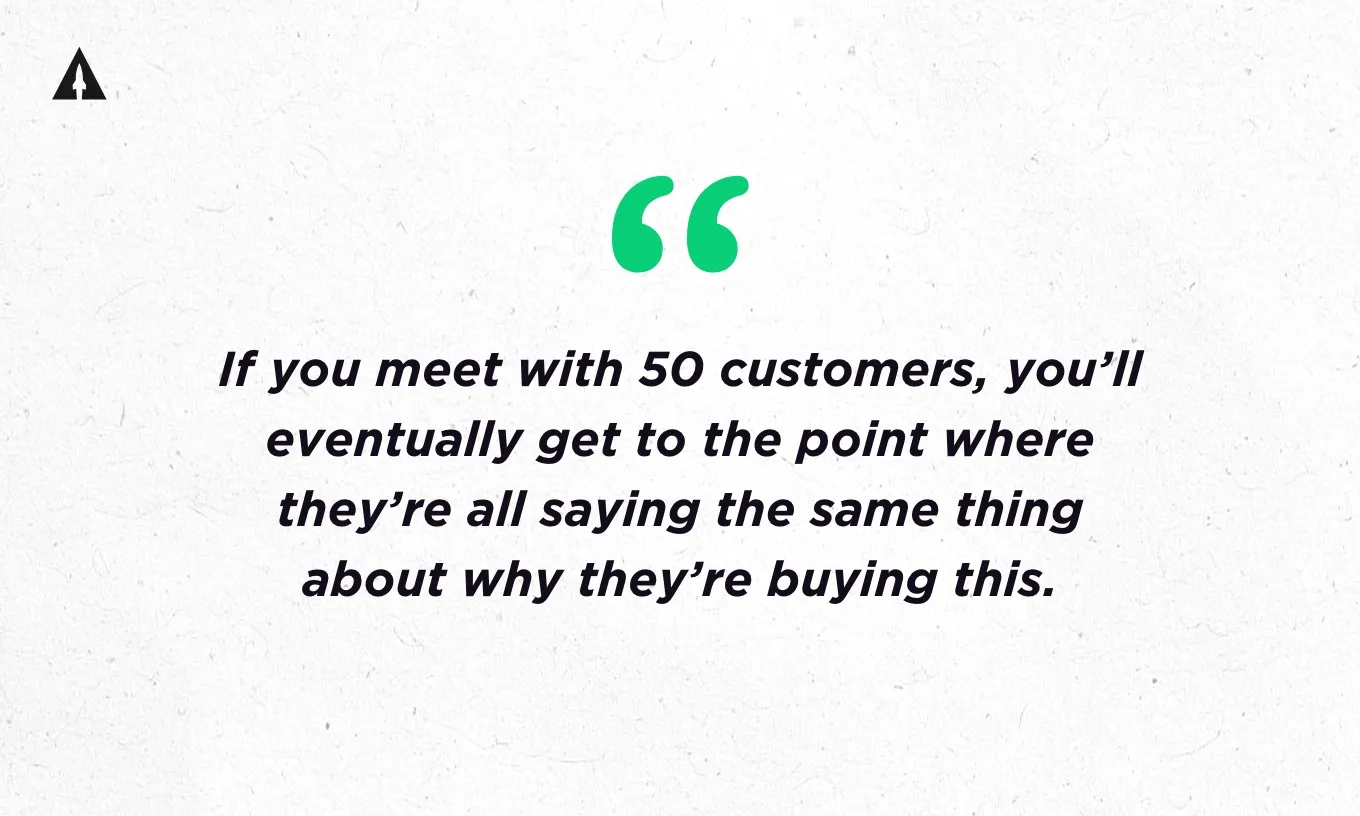
Customer research isn’t just about validation—it’s about discovering the positioning and messaging that will make your campaign irresistible. Keegan learned this firsthand when he started talking to potential customers. “The customers give us exactly what to write,” he explained. “I don’t need to sit here and think about all these things that it could potentially be. If you meet with 50 customers, you’ll eventually get to the point where they’re all saying the same thing about why they’re buying this.”
One conversation particularly stood out. A customer asked if Chillshark could work for horses, explaining that racehorses go through similar recovery treatments. That highlighted the universal fit aspect—something that became a central part of their Kickstarter messaging.
Don’t guess at your positioning. Let your customers tell you what matters most to them.
4. Build Out a Reservation Funnel
Here’s where most creators get it wrong: they think they can just launch a campaign and watch the money roll in. But successful Kickstarter crowdfunding requires building an audience before you launch.
A reservation funnel is your secret weapon. Instead of asking people to join your email list, you ask them to reserve their spot with a small deposit (like $1) in exchange for a significant discount when you launch. Think of it as a pre-launch landing page on steroids.
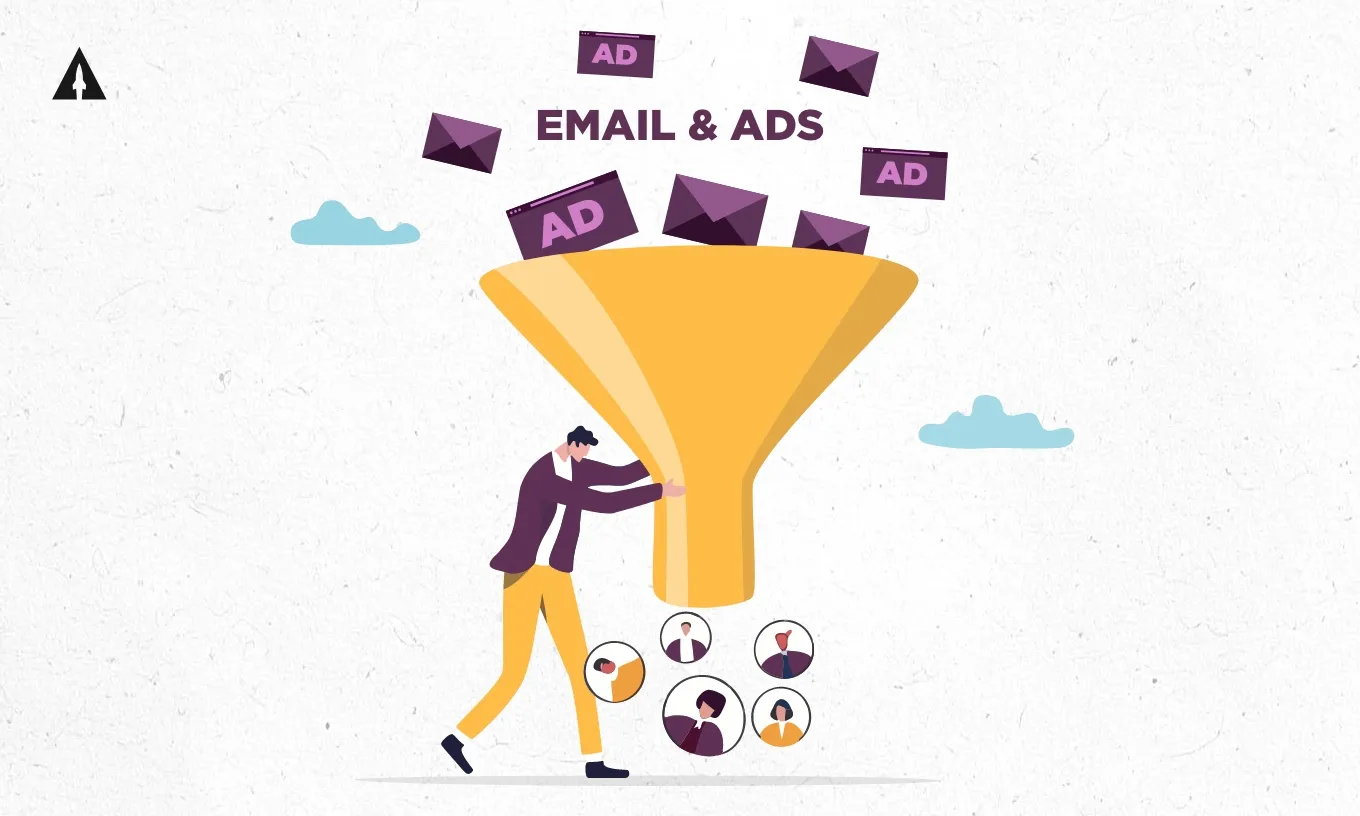
“A typical conversion rate on an email list is like 1%, maybe 3%, but with a reservation funnel, the data clearly states that’s going to improve significantly to upwards of 35-40%,” Keegan shared. The psychology is simple: people who put down money—even just a dollar—are far more likely to follow through with a purchase than people who just gave you their email address. They are signaling to you that they are your Superfans and can’t wait to buy your product.
5. Assemble Your Crowd: Build and Warm Your List
Your email list is your lifeline. But it’s not just about collecting email addresses—it’s about building genuine interest and excitement for your product.
Start with a simple landing page that explains your product and captures email addresses. Use the insights from your customer research to craft compelling copy that speaks directly to your audience’s pain points.
Consider running pre-launch ads to build early traction. The goal is to have hundreds or thousands of potential backers ready to support you on day one.
6. Invest in Premium Visuals and Video Production
This isn’t the place to cut corners. High-quality assets—professional photos, product renderings, and a compelling campaign video—are essential for success. “We spent a lot of money on making good assets,” Keegan noted. “We wanted a luxury premium feel for it to look good. It usually is a little more expensive.”
Your visuals need to match your price point. If you’re selling a premium product, your assets need to look premium. Backers make split-second decisions based on what they see.
7. Map Out Your Kickstarter Campaign Marketing Strategy
Launch day is just the beginning. You need a comprehensive marketing strategy that includes:
- Social media teasers leading up to launch
- Email newsletters to your pre-launch list
- Referral programs to encourage sharing
- Influencer outreach in your niche
- Backer engagement throughout the campaign
The key is to maintain momentum throughout your entire campaign duration, not just on launch day.
8. Choose the Right Launch Date and Time
Timing matters more than you think. Avoid launching during major holidays or when your target audience might be distracted. The best time to launch a Kickstarter campaign is early in the morning on Tuesdays for most campaigns.
But here’s the most important part: plan to dedicate your full attention to launch day. “Just know there’s going to be a lot of people who will promise a lot and might not necessarily be able to deliver,” Keegan warned about trying to outsource too much.
9. Monitor Data and Engage in Real-Time
Launch day is intense. Keegan and his team got on Zoom and watched their funding ticker go up in real-time. “It was really exciting and we’re glad that it ended up going well,” he said. But it’s not just about watching numbers. You need to:
- Respond to backer comments immediately
- Monitor conversion rates and adjust if needed
- Share updates with your team and supporters
- Celebrate milestones to maintain momentum
The most successful campaigns treat launch day like a live event, not a passive experience.

Successful Crowdfunding Strategies: What We Can Learn from Chillshark and Other Top Kickstarter Campaigns
Real success stories provide the best lessons. Let’s dive into what makes campaigns work.
Chillshark: From a $1 Pre-Launch to $439K in 31 Days
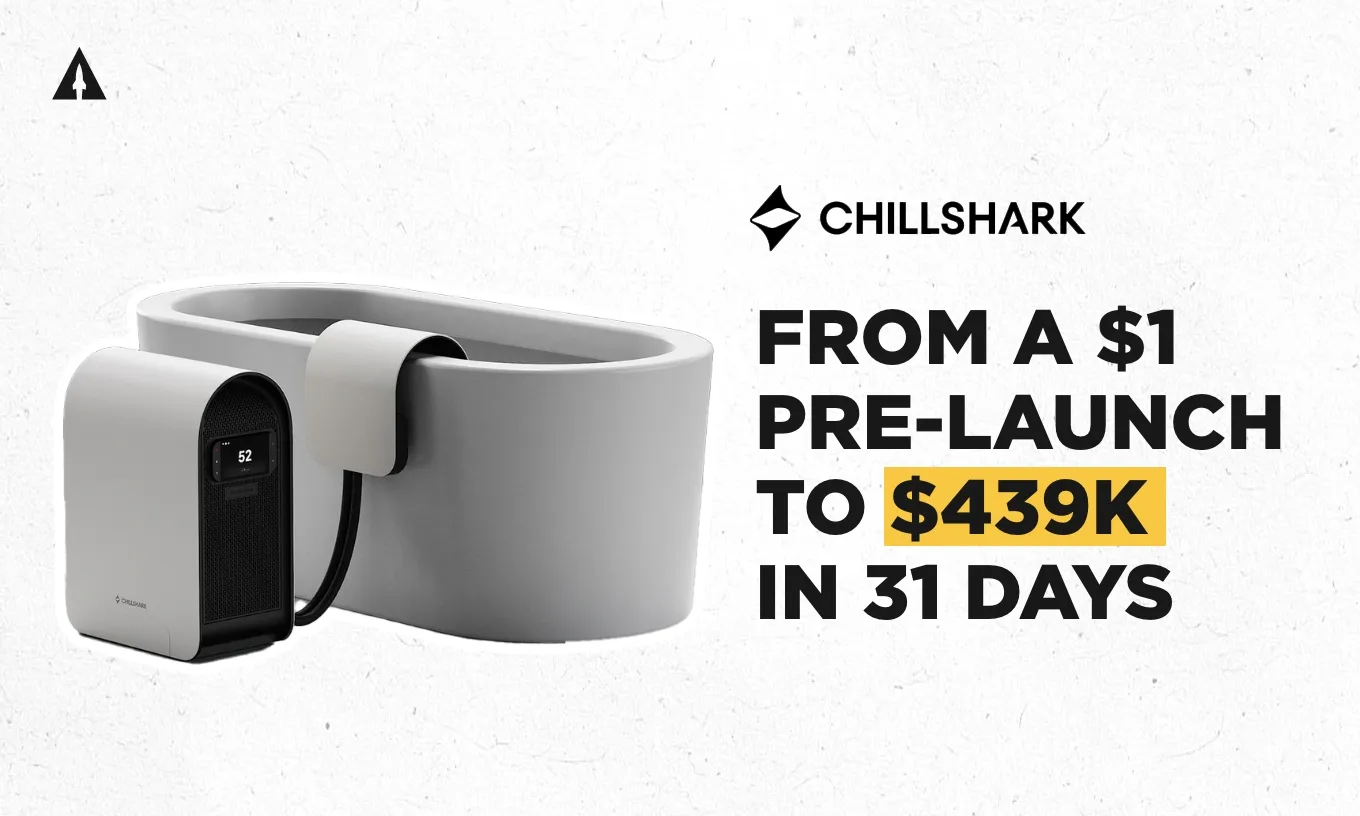
Keegan’s journey from landscaper to Kickstarter expert is remarkable. He started his first business at 15, tried Wall Street (which he hated), experimented with dropshipping, and launched several other products before finding his breakthrough with Chillshark.
The key to Chillshark’s success wasn’t just the product—it was the systematic approach to validation, positioning, and execution.
The numbers speak for themselves:
- $439,000 raised in 31 days
- Nearly $200,000 raised on launch day alone
- 35-40% conversion rate from reservation funnel
- Premium pricing strategy that worked
But the real insight is how Keegan used customer research to shape everything from product features to marketing messages. The universal fit positioning, the emphasis on ease of use, the premium branding—all of this came from listening to potential customers.
The Power of Working with Experts
Keegan didn’t try to figure everything out himself. He worked with LaunchBoom, a Kickstarter marketing agency that provided the strategic framework for his campaign. “Their textbook just saves so much time,” Keegan explained. “Why wouldn’t you use it? The whole pre-sale strategy is really effective. It’s proven and it works.”
This highlights an important point: successful Kickstarter crowdfunding often involves working with people who have done it before. Whether it’s an agency, consultant, or experienced creator, getting expert guidance can dramatically improve your chances of success.
The Importance of Premium Positioning
Chillshark intentionally positioned their product as premium. That meant focusing on producing high quality assets (like photos and videos) and presenting them in a professional way, allowing them to attract customers who were focused on quality, not just low prices.
Kickstarter Funding Tips to Maximize Your Success
Success on Kickstarter requires more than just a good product. Here are the top funding tips on how to promote your Kickstarter campaign.
Set a Realistic Funding Goal Based on Costs, Not Dreams
Your funding goal should be based on what you actually need to fulfill your rewards, not what you hope to raise. Calculate your production costs, fulfillment expenses, platform fees, and marketing budget. Remember: it’s better to exceed a modest goal than to fail to reach an ambitious one. Kickstarter is all-or-nothing funding, so if you don’t hit your goal, you get nothing.
Offer Reward Tiers with Clear, Compelling Value
Your reward structure is crucial for maximizing funding. Use early bird discounts to create urgency, and offer bundle packages to increase average pledge amounts. Each reward tier should offer clear value that justifies the price point. Make it easy for backers to understand exactly what they’re getting and when they’ll receive it.
Communicate Frequently and Transparently with Backers
Successful campaigns maintain regular communication with backers throughout the campaign and beyond. Share updates about progress, challenges, and milestones. Transparency builds trust, and trust leads to more pledges, social sharing, and positive word-of-mouth marketing.
Final Thoughts
Kickstarter crowdfunding isn’t magic—it’s a systematic process that rewards preparation, customer research, and strategic execution. The most important insight from Keegan’s success is that everything starts with solving a real problem for real people. From there, it’s about validating your solution, building an audience, creating professional assets, and executing a proven launch strategy.
Don’t try to reinvent the wheel. Use the frameworks and strategies that have worked for thousands of successful campaigns. Focus on your customers, invest in quality, and be prepared to work harder on launch day than you’ve ever worked before.
The opportunity is massive. The tools and knowledge are available. Now it’s time to execute.
Ready to launch your Kickstarter campaign? My team is here to chat! Just click this link, tell us a little bit about your product, and we can jump on a call to talk through your launch.
Kickstarter Crowdfunding: Frequently Asked Questions
How Do I Start a Kickstarter Campaign?
Start by identifying a real problem worth solving and validating your solution with potential customers. Set up a reservation funnel to build your audience, invest in high-quality visuals, and create a comprehensive marketing strategy. Plan for 90 days of pre-launch preparation before hitting the launch button.
What Are the Best Kickstarter Funding Tips?
Focus on customer research to understand your positioning, use reservation funnels instead of simple pre-launch landing pages, invest in premium visuals that match your price point, and maintain frequent communication with backers throughout your campaign. Most importantly, treat launch day as a full-time commitment requiring real-time engagement.
What Is the Most Important Part of a Successful Crowdfunding Strategy?
The pre-launch phase is everything. This includes customer interviews to understand your value proposition, building an email list of interested prospects, creating professional assets, and developing a systematic approach to launch day execution. As Keegan from Chillshark proved, campaigns that raise nearly $200,000 on day one are built on months of preparation.
How Much Should I Spend on Kickstarter Marketing?
Expect to invest significantly in pre-launch marketing, professional assets, and advertising. Keegan from Chillshark spent around $50,000 on ads alone for his campaign. The key is focusing on ROI—every marketing dollar should be tracked and optimized based on actual conversion data.
What’s the Best Way to Work with a Kickstarter Expert?
Look for experts with proven track records and transparent reporting. Ask for specific examples of campaigns they’ve helped launch successfully. Be prepared to follow their proven frameworks rather than trying to reinvent the process. As Keegan learned, the best advice is often to “listen to everything they say and just follow it.”
