


Creating compelling art for your board game is one of the most exciting and intimidating parts of the publishing process. In this guide, we’re breaking down everything you need to know about working with artists and designers, including:
- What parts of the project an artist covers
- Whether you’ll need a designer too
- Where to find artists
- What to prepare before you hire
- What this all might cost
- When to bring someone on board
- How to choose the right collaborator for your vision
- And the growing debate around AI-generated art
Whether you’re planning a self-published indie release or preparing for Kickstarter, the right art team can help your game stand out, and feel unforgettable. Prefer to watch? We’ve got you covered! I summarized this article about finding and hiring an artist in this video:
What Will an Artist Do for My Game?
Art plays a crucial role in visual storytelling. It shapes a player’s emotional connection to your game and communicates the tone, world, and characters before they even read the rules.
Artist vs. Designer
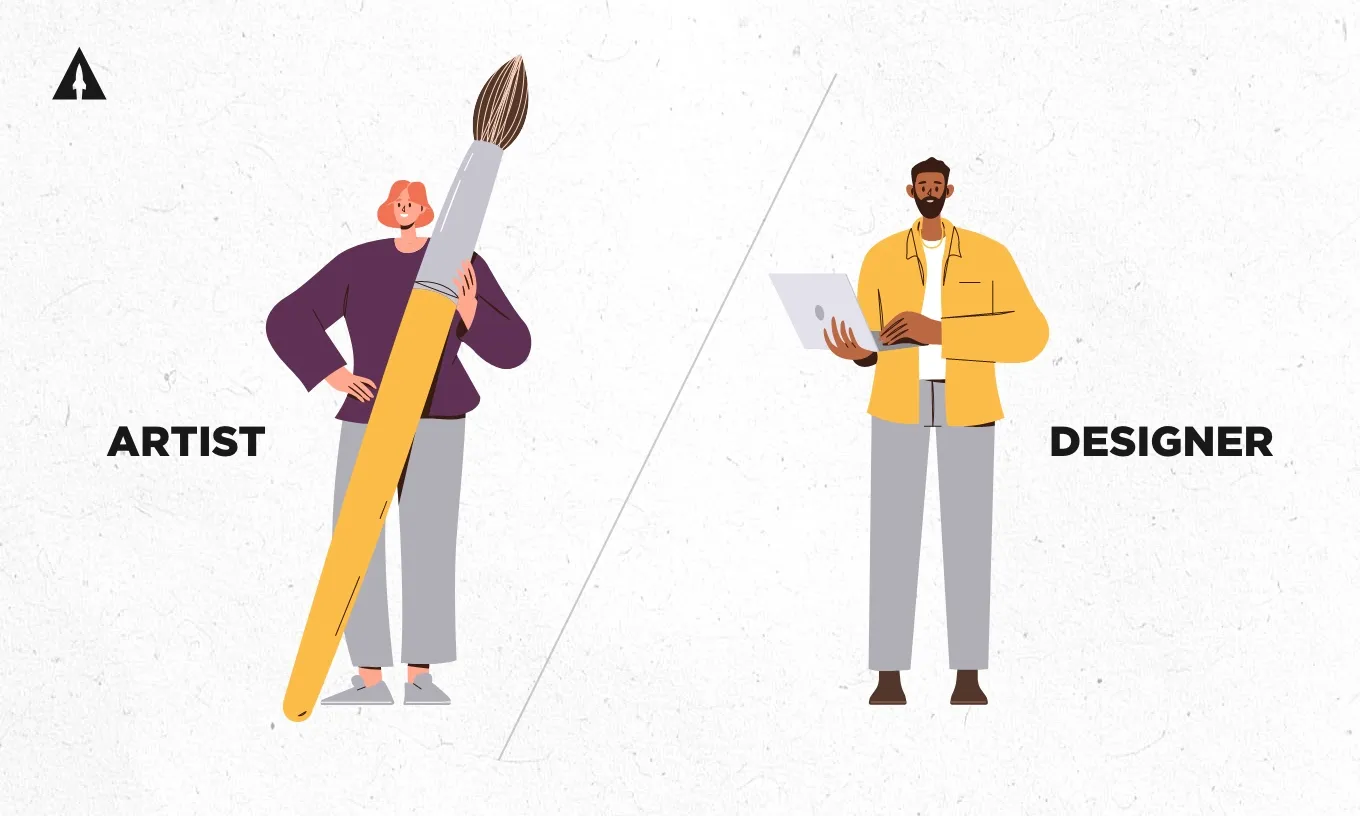
These roles are often confused, but they do very different jobs:
- Illustrator / Artist: Creates original artwork, characters, environments, icons, tokens, board maps, box art. Their job is to tell the story visually.
- Graphic Designer: Focuses on layout, typography, legibility, and communication, rulebook formatting, card templates, packaging layout, and even Kickstarter or website design.
Some freelancers do both, but most specialize. Think of the artist as building your world, and the designer making it functional and readable.
Where Do You Even Find Artists?
Finding the right artist can feel overwhelming, but there are a few tried-and-true places to look:
1. Freelance Marketplaces
Sites like Upwork, Fiverr, and Freelancer let you browse portfolios and post job descriptions. Be ready to vet artists carefully, quality and experience levels vary widely.
2. Look at Games You Love
Find board games with visuals that feel like what you’re aiming for. Then search the credits on BoardGameGeek or the game’s Kickstarter campaign to find out who the artist was. Many artists link to their personal portfolio or social media.
3. Artist Portfolio Sites
- ArtStation and DeviantArt are filled with professional illustrators in a variety of styles.
- On social media (especially Twitter/X), search #PortfolioDay or #boardgameart to find artists currently taking commissions.
4. Reddit
Check subreddits like r/tabletopartists (for artists available for hire) or r/tabletopgamedesign (for recommendations and experiences).
5. Game Conventions
At events like Gen Con, Origins, or PAX Unplugged, you can meet artists in person in exhibitor halls or artist alleys. This is one of the best ways to find collaborators whose work resonates with you.
What Do You Need to Have Prepared?
Approaching an artist with a clear and organized pitch makes everything smoother, for you and for them. Here’s what you should prepare:
- Overall vision for your game: Be ready to describe your game’s genre, tone, and theme. Are you creating a whimsical nature-based puzzle game, a dark post-apocalyptic survival game, or a colorful deckbuilder with animal characters?
- Visual references: Include 3–5 examples of art you like. These can come from other board games, video games, comics, or concept art. Style matching is much easier when artists have visual targets.
- Color palettes, logos, and fonts: If you already have branding (even rough ideas), include them. This helps create cohesion across art, packaging, and marketing. This can be as specific as color codes and profiles.
- Mockups or prototypes: Share card layouts, board sketches, or screenshots from Tabletop Simulator. Artists need to see what kinds of assets you’ll need and how they’ll function in the game.
- Scope of your work: Think ahead about how many of each type of asset you’re looking for and what time frame you’re hoping to hit.
Having this material up front will help you get accurate quotes and avoid miscommunication later on.
How Much Will This Cost?
Art can be one of the largest line items in your game’s budget. Prices vary based on:
- The type of asset (character vs. icon vs. board)
- The number of illustrations you need
- Whether you’re licensing the art or buying full rights
- The artist’s experience level
- Your production timeline and revision needs
- Resolution and format requirements
If you’re interested in seeing a detailed breakdown of what it costs to publish a board game entirely, from playtesting to production, you can also check our article How Much Does it Cost to Publish a Board Game in 2026?
Example Price Ranges
| Asset Type | Typical Range |
|---|---|
| Token or icon | $10–$100 each |
| Card illustration (full color) | $100–$800+ |
| Game board or tile set | $300–$1,500+ |
| Box cover illustration | $1,000–$6,000+ |
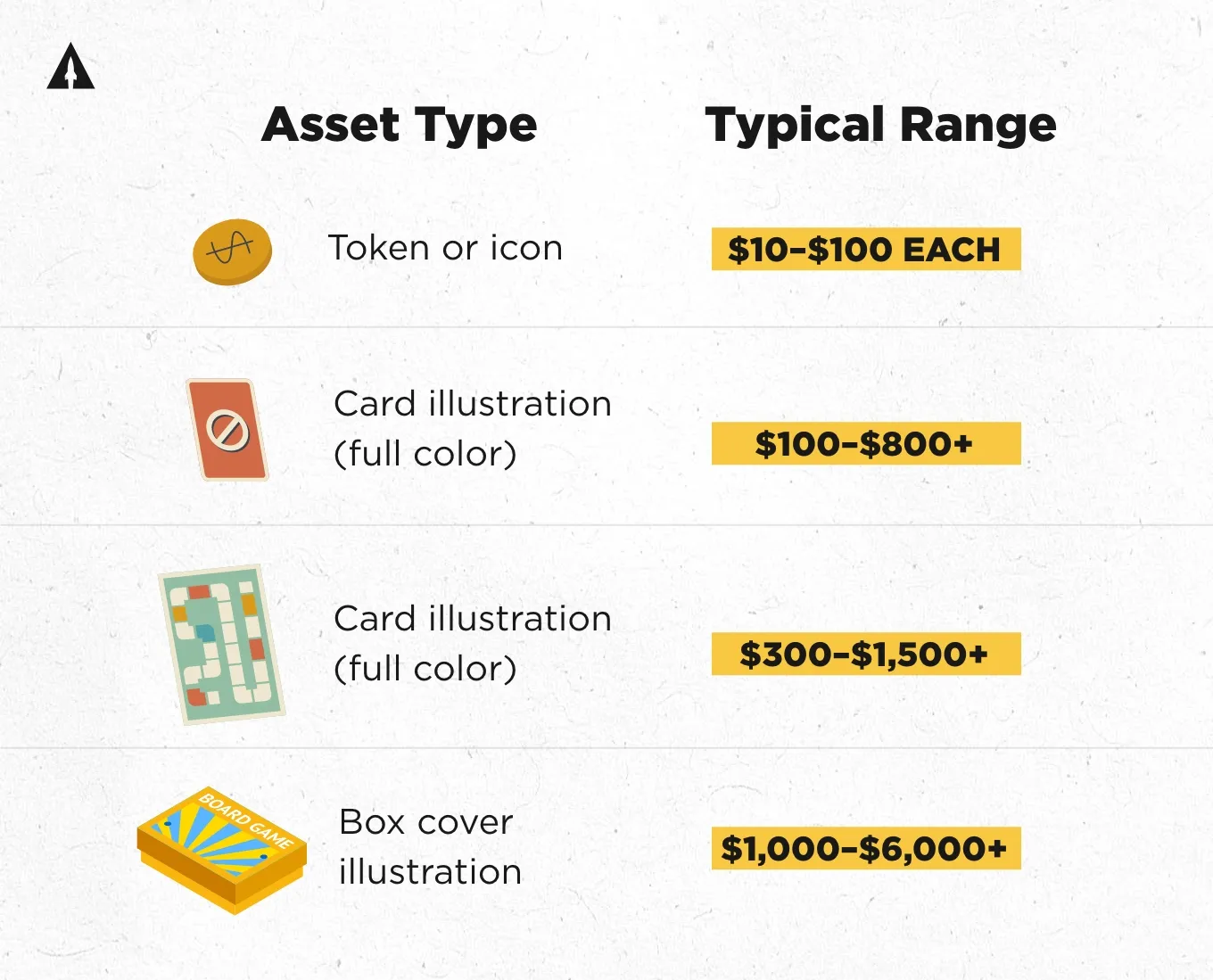
How artists charge: Some work per asset, some partner with creators and take a commission on funds raised, others work by the hour (often $50–$100/hr), and some quote full project rates with milestones. Always get a clear agreement in writing that outlines rights, revisions, and deliverables.
When’s the Right Time to Hire?
Hiring an artist too early can lead to costly changes. But hiring too late can create delays in your production or crowdfunding campaign.
Don’t hire if:
- You’re still changing your game’s theme or mechanics
- You don’t have a finalized component list
- You haven’t run any blind playtests
Do start looking:
- Once your core gameplay and components are locked in
- When you know what types of art you’ll need (cards, boards, cover, etc.)
- 3 to 6 months ahead of your Kickstarter or manufacturing deadline
You don’t need art for early prototypes, but you do need it well in advance of campaign launch if you’re crowdfunding.
Choosing the Right Artist
How do you know if an artist is a good fit? Ask yourself:
- Does their style match the vision of your game? Their portfolio should already reflect the tone you’re going for.
- Can they meet your timeline? Professional artists often book 1–3 months in advance. Confirm availability and set milestones up front.
- Are they within your budget? Be transparent about your range. Respect their rates, don’t lowball, but do ask about scope-based options.
- Are they communicative and organized? A great artist still needs to be responsive, clear, and deadline-oriented, especially for Kickstarter timelines.
What About AI-Generated Art?
This is one of the most controversial topics in the board game space right now, and how you handle it could affect your campaign’s reception.
If you’re considering using AI…
- Crowdfunding platforms require disclosure: Kickstarter and Gamefound both ask creators to disclose AI-generated art or text. Not doing so can break their terms and harm your reputation.
- Many players strongly oppose it: A growing portion of the board game community sees AI art as undermining working artists. Creators who use AI and don’t disclose it often face backlash, boycotts, or negative press.
- Artists may refuse to work with AI at all: Many illustrators have strong ethical stances against AI, some won’t work on a project that uses it in any form, even for concepting.
- Some creators use AI for early concepts, not final art: If you use AI tools for internal brainstorming or rough drafts, that’s different from including AI in the final product, but even then, transparency is key.
Our advice: if AI is involved, even slightly, be completely upfront about how, why, and where it was used. The tabletop community values honesty and creative labor, and how you handle this reflects your values as a creator.
Examples of Notable Board Game Artists
Looking at established artists can help clarify your own vision and show what professional-quality board game art looks like.
- Miguel Coimbra – Known for 7 Wonders, Small World, and Cyclades. Rich, colorful worldbuilding and clean composition.
- Michael Menzel – Illustrated Catan, Legends of Andor, and over 300 titles. Known for highly detailed fantasy settings.
- Kwanchai Moriya – Worked on Dinosaur Island, Cryptid, The Dead Eye, and Capital Lux. Known for stylized, genre-flexible work.
- Beth Sobel – Illustrated Wingspan, Cascadia, Herbaceous, and more. Recognized for soft, naturalistic, watercolor-style art.
- Magali Villeneuve – Fantasy and TCG veteran, known for Magic: The Gathering and Lord of the Rings LCG. Elegant and immersive fantasy portraiture.
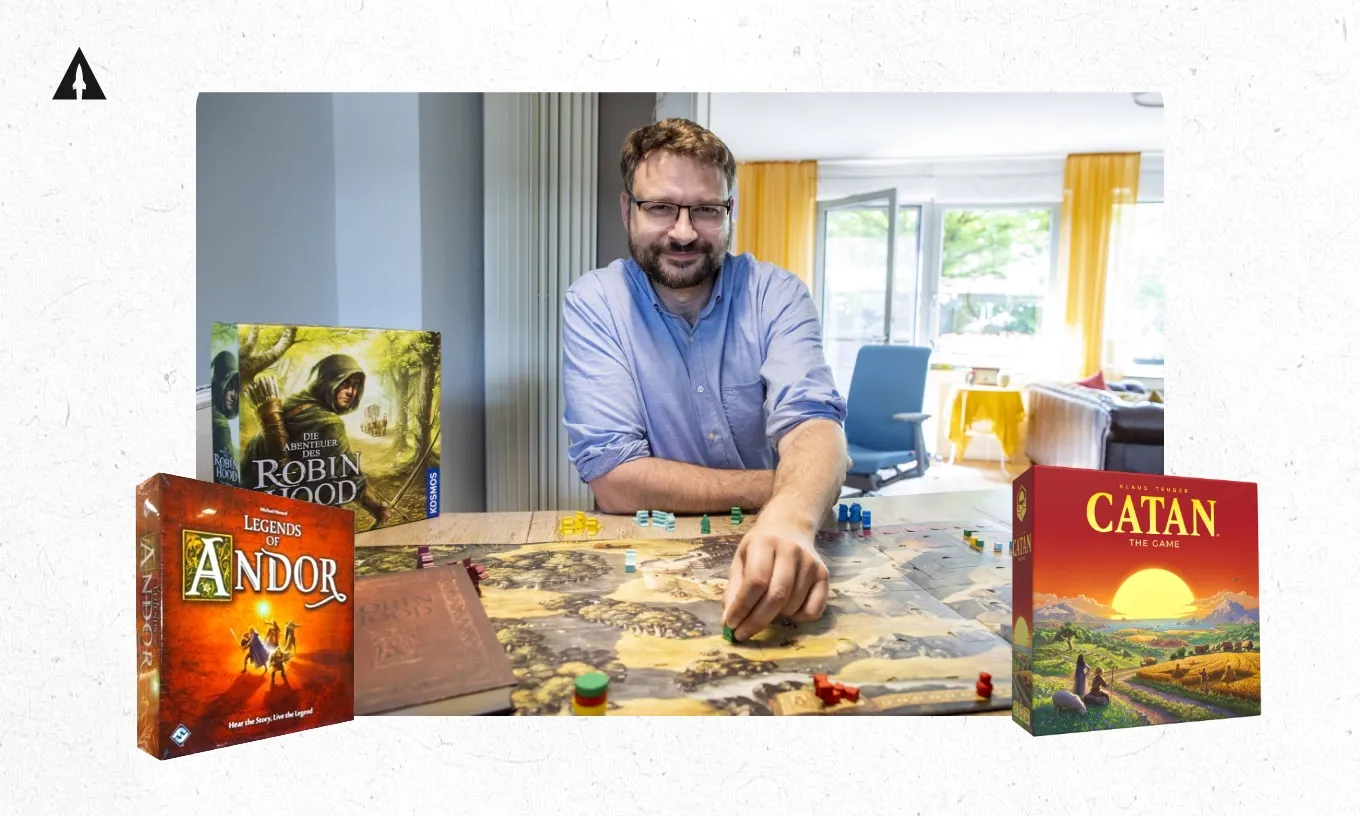
Studying their work can help you articulate what you’re looking for, especially when writing briefs or gathering style references.
Final Thoughts
Hiring an artist isn’t just about making your game look good, it’s about shaping the way people feel when they open the box, engage with the world, and keep coming back to play. Here’s your checklist before hiring:
- Lock in your theme, components, and mechanics
- Know what art assets you’ll need
- Research artists with styles that match your tone
- Prepare visual references and brand notes
- Be upfront about timeline, budget, and expectations
- Handle AI conversations transparently and respectfully
Need help calculating how much to budget? Our video on what it costs to publish a board game on Kickstarter covers the whole budget, art included:
FAQs About Hiring an Artist for Your Board Game
1. What does a board game artist do compared to a graphic designer?
An artist creates illustrations like characters, environments, and box art. A graphic designer handles layout, typography, and making the game readable. Some do both, but most specialize.
2. Where can I find board game artists?
Check freelance sites (Upwork, Fiverr), portfolio sites (ArtStation, DeviantArt), social media (#PortfolioDay), Reddit (r/tabletopartists), BoardGameGeek credits, and conventions like Gen Con or PAX.
3. How much does board game art cost?
Small icons can cost $10–$100. Card art ranges from $100–$800+. Box covers often cost $1,000–$6,000+. Pricing depends on asset type, complexity, and artist experience.
4. When should I hire an artist?
Hire once your game mechanics, theme, and components are finalized. Start looking 3–6 months before Kickstarter or production.
5. What should I prepare before contacting an artist?
Have your theme, tone, and style ready. Gather visual references, color palettes, logos, and mockups. A clear pitch leads to better quotes and fewer revisions.
6. How can I tell if an artist’s style is right for my game?
Review their portfolio. Look for art that matches your game’s tone and style. If it already feels like your vision, you are on the right track.
7. Should I hire one artist or multiple artists?
One artist ensures a consistent look. Multiple artists work if you need varied styles, but you will need a strong designer to unify everything.
8. How do I handle contracts and rights?
Get a written agreement that covers pricing, deadlines, revisions, and usage rights. Clarity prevents disputes and protects both sides.
9. Is it okay to use AI-generated art?
AI art is controversial. Platforms like Kickstarter require disclosure, and many players dislike it. If you use it, be transparent about how and where.
10. What are some examples of professional board game artists?
Miguel Coimbra (7 Wonders), Beth Sobel (Wingspan), and Kwanchai Moriya (Dinosaur Island) are known for distinctive, high-quality styles.
11. How do I stay within budget when hiring an artist?
Know your art needs and prepare references before asking for quotes. Be upfront about your budget but respect professional rates.
12. How long does it take to complete board game art?
Timelines vary, but many artists book 1–3 months in advance. Complex projects can take weeks or months, so plan early.
