


Wouldn’t it be great if you could just throw a photo and title up for your Kickstarter and the right people would find it? Unfortunately, as you probably know, that’s not exactly how it works. Your campaign page has to do a little more work to take somebody who might view it and turn them into a backer.
Our Director of Games at LaunchBoom, Victor Shiu, put on a presentation at our Crowdfunded Summit in May 2025 called Creating a Campaign Page that Converts. If you missed it live, don’t worry, I’m going to walk you through it so you can hear all of his tips and apply them to your campaign.
If you’re more of a visual person, you can see me break it down here:
Key Takeaways
- Test before you launch. Use ads and landing pages to learn who your audience is, what features resonate most, and what concerns need to be addressed.
- Clarity beats cleverness. Backers skim, so use simple headers, visuals, and clear hierarchy to guide them quickly to what matters.
- Show, don’t just tell. Demonstrate your product’s value with images, GIFs, or diagrams instead of relying on long paragraphs.
- Anticipate objections. Address the biggest backer concerns directly on your page so hesitation doesn’t cost you pledges.
- Make every element purposeful. From headlines to visuals, each piece of your campaign should reinforce your product’s value and move people closer to backing.
First, let’s meet Victor. He’s one of LaunchBoom’s Co-founders, Director of Games, and he’s actually working on bringing his own game to life, Hover. In his time at LaunchBoom, he’s helped creators raise over $200 million through crowdfunding.
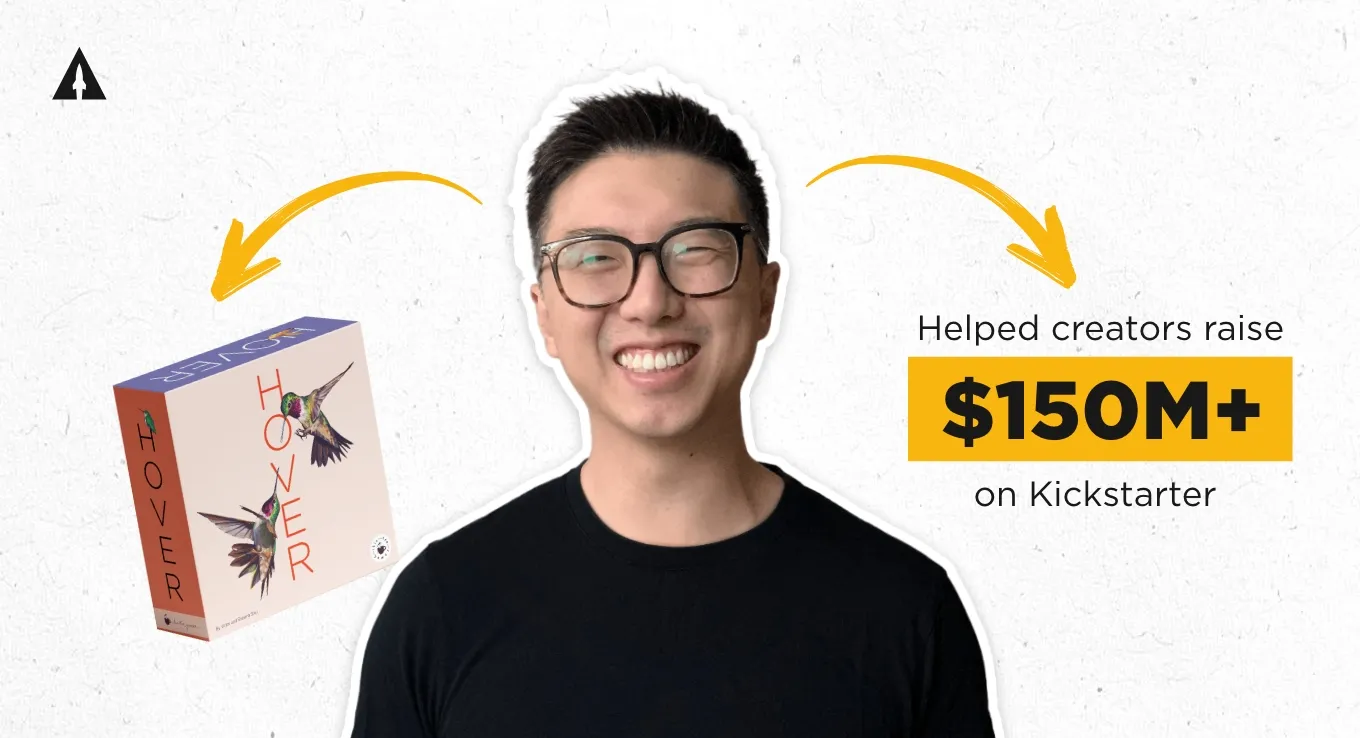
Victor has an eye for detail in the creative world, and he does an excellent job on teaching us how structure and small intentional elements can go a long way. He starts off by talking about the three most important steps to convert backers:
- Understand your backers.
- Show you have what they want.
- Prove you can deliver it.
Step One: Understand Your Backers

Before a campaign page can convert, you have to have a good idea of who that page is speaking to directly. Understanding your backer starts with gathering data through paid ads, landing page tests, email surveys, social media engagement, or VIP reservation funnels.
If you want to dive deeper into the ads testing process, you can read more about how to advertise your game on Kickstarter here. This process helps answer four key questions:
- Who is interested in your product? Identify demographics, interests, and behaviors.
- Why are they interested? Understand their motivations and what draws them to your product.
- Which features resonate most? Determine which elements excite them and why.
- What are their concerns or objections? Recognize barriers that prevent commitment.
A great example of this process in action is the Author Clock campaign. They knew their core audience was book lovers, but surprisingly, ads revealed that tabletop gamers and crossword enthusiasts also responded strongly to their product. This insight allowed the campaign to expand messaging and highlight features like customizable quotes and the innovative one-quote-per-minute design.
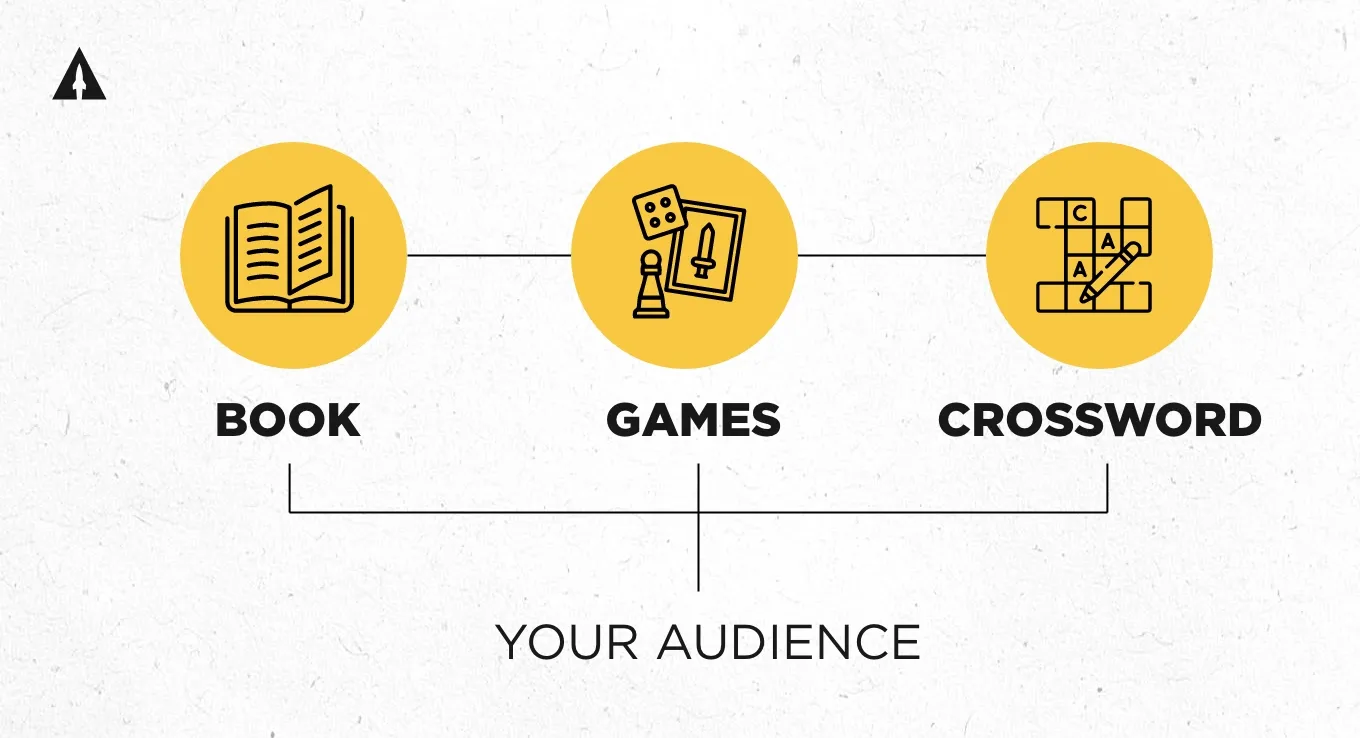
The lesson is simple: the better you understand your backers, the more you can tailor your messaging, features, and visuals to resonate with their desires and alleviate their concerns, which ultimately improves conversion rates. Think of it like speaking directly to one person you know very well as opposed to an auditorium full of strangers.
Step Two: Show You Have What They Want
After identifying your backers, the next step is demonstrating that your product delivers the value. Creators often make the mistake of jumping in first to tell their own personal background, and while that’s an important piece of the page, campaign messaging should start with the backer’s why, not the creator’s story. Headlines, images, and opening sections should answer:
- Why would backers want this?
- What is the main value of the product?
Testing your messaging is one of the most important steps when creating a campaign page.
Once Author Clock learned that their audience was book lovers, tabletop and crossword enthusiasts they were able to dive deeper into what people liked about their product and what features were most appealing. In that, they found that people loved the innovative idea of having a quote for every minute, the ability to add their own quotes and control text size. So they highlighted these features prominently on the landing page and the campaign page.
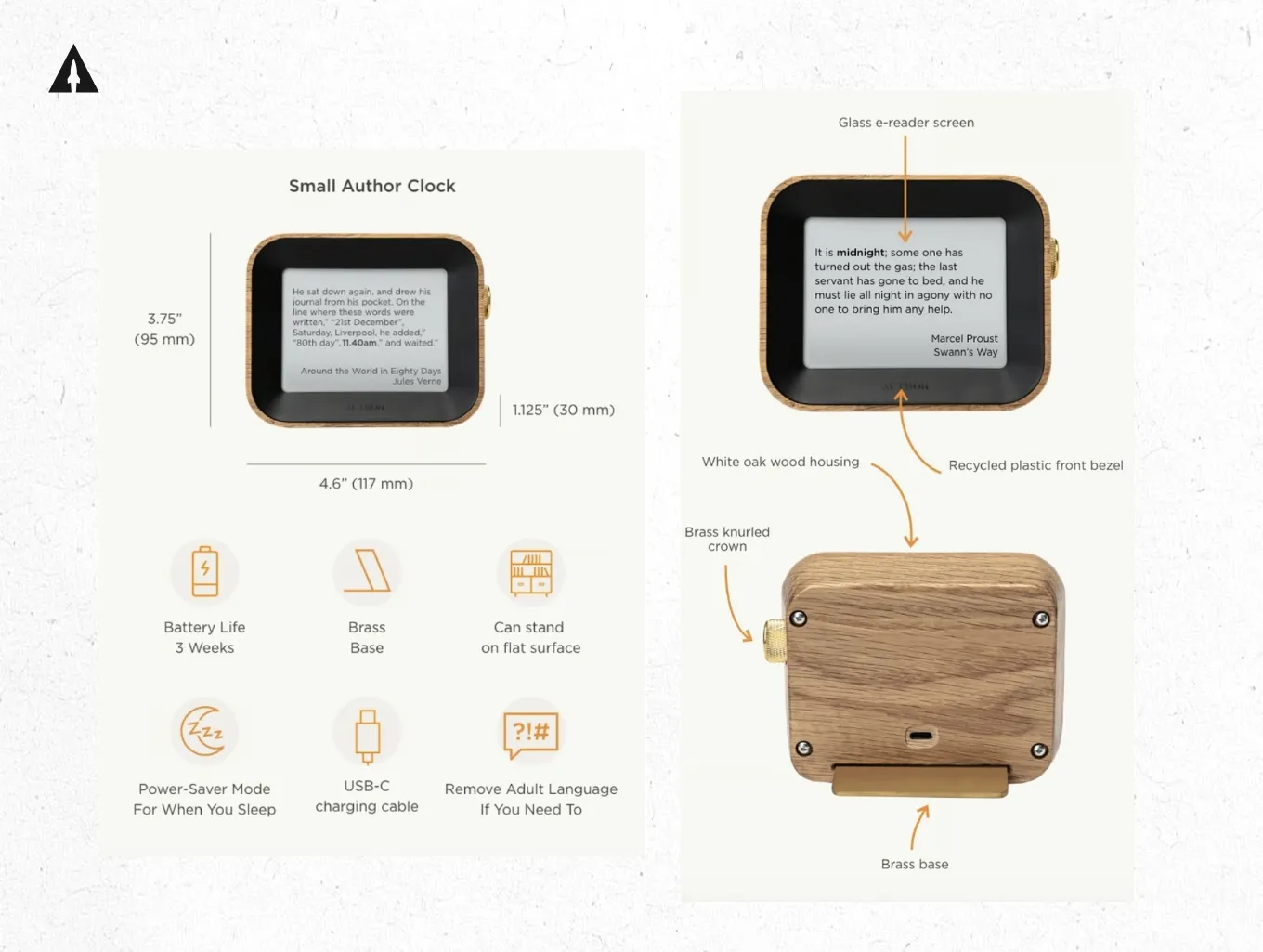
Through testing, the team also identified the main concerns that might stop someone from backing. The biggest worry? Potential backers doubted whether the clock really had a quote for every minute. The team addressed this directly on the page with examples and visuals of quotes at multiple different times putting doubts at ease and removing a barrier to purchase.
In addressing the value and concerns, clarity and visual hierarchy are equally important. Backers skim rather than read every word, so the campaign used clear sections and images to show the product in action. They displayed the quote-for-every-minute feature and the personalization options visually, letting backers understand the product at a glance.
The key principle is simple: show, do not just tell. Every image, GIF, or diagram should reinforce the product’s value and make the page easy to scan. When you do this effectively, backers quickly see what makes your product special and are more likely to convert.
Step Three: Prove You Can Deliver
You know who your backer is, you’ve spoken directly to them on your page, now you need to prove you can deliver. Even the most desirable product will struggle to gain backers if it cannot inspire trust. Crowdfunding requires people to pay upfront for a promise. Trust is earned by showing progress, demonstrating capability, and leveraging credible validation. Strategies to build trust and credibility include:
-
Undeniable clips: Show your product working in real time. Author Clock used visuals of minute by minute changes to show the functionality of its core feature.
-
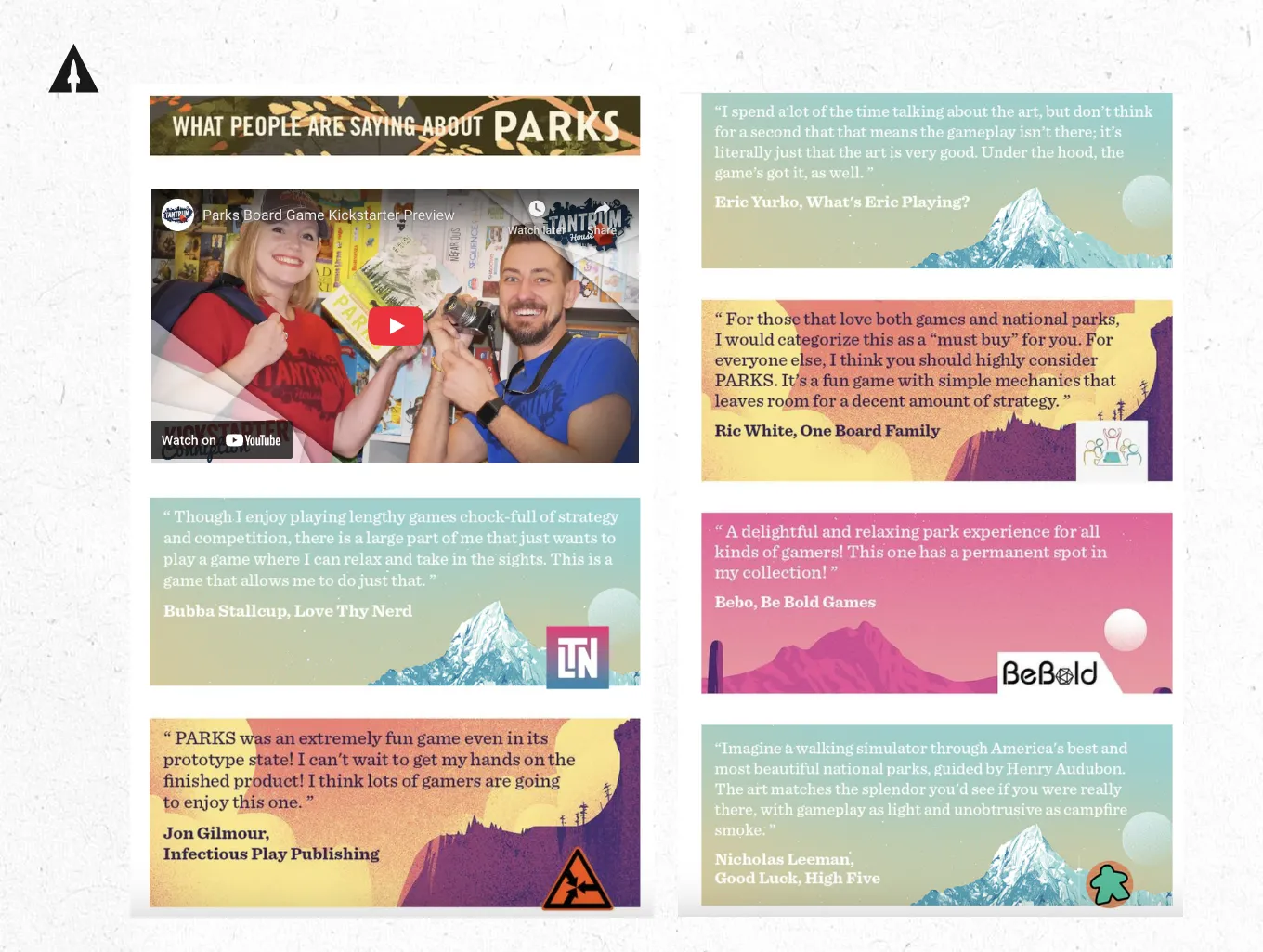
Testimonials and reviews: Include quotes from early users or influencers within your market. PARKS, for instance, featured mini reviews from tabletop influencers to reassure backers of game quality.
-
PR and press: Highlight media coverage that validates your product.
-
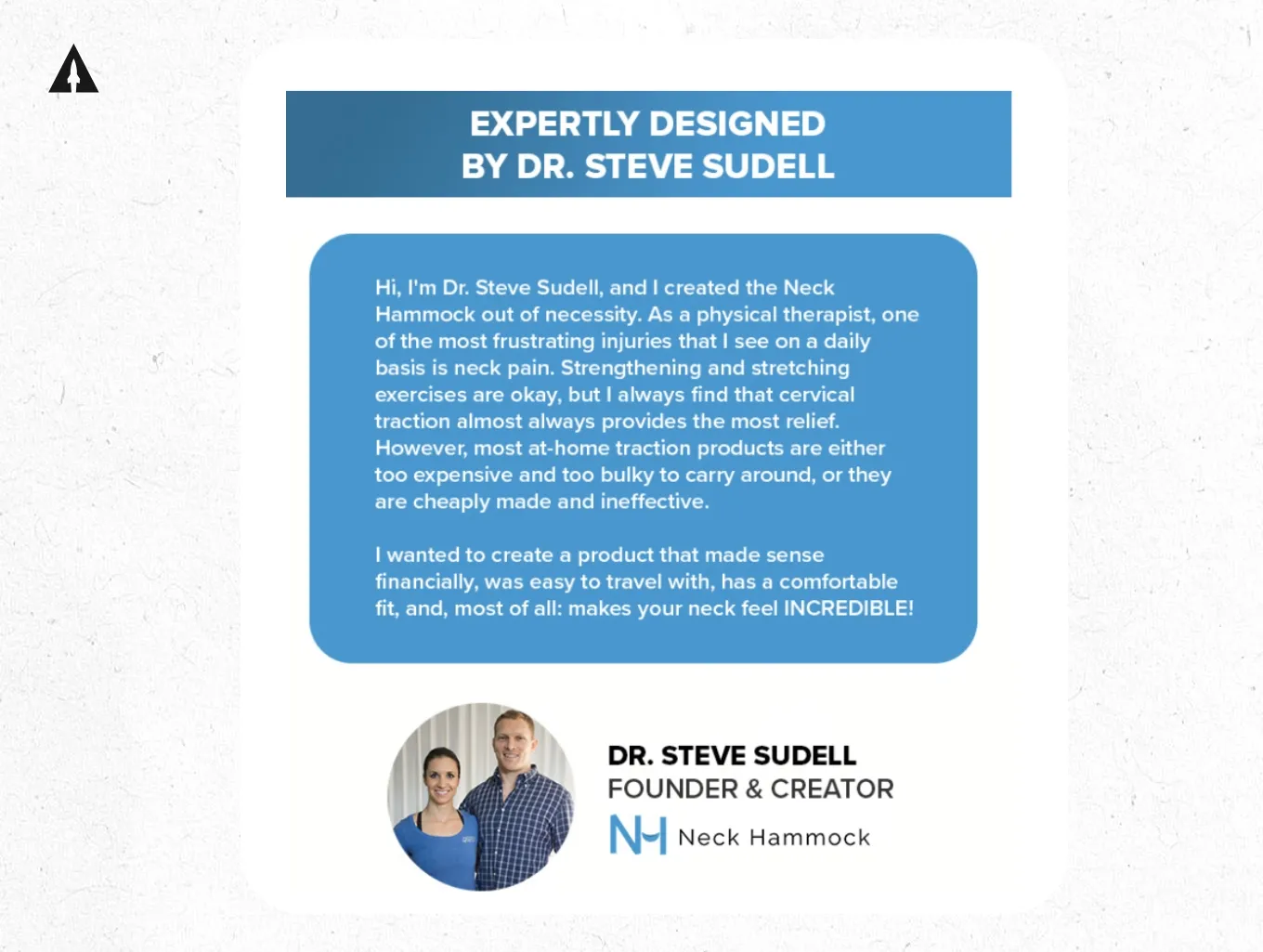
Occupational authority: Share relevant professional experience. Creators of the Neck Hammock leveraged physical therapy expertise to establish credibility.
-
Past successes: Highlight previous successful campaigns to demonstrate execution capability.
-
Authentic storytelling: For first-time creators, share the personal journey of discovering a problem and developing a solution. Storytelling humanizes the campaign and shows commitment.
Even without a fully finished product, showing prototypes, video demonstrations, and reviews helps establish credibility. If you want to learn more about creating a high converting crowdfunding video, check out our other blog post here. Third-party validation, whether through micro-influencers or media outlets, reinforces the claim that you can deliver what you promise.
Conclusion
Creating a campaign page that converts is not about flashy images or clever titles alone. It’s about understanding your backers, clearly showing the value of your product, and proving you can deliver on your promises.
By gathering data through advertising, tailoring your messaging, using visuals effectively, and building trust through demos, testimonials, and authentic storytelling, you invite backers to pledge and get excited about your campaign.
A well-structured page does not just explain your product. It guides backers through a journey, answers their questions before they ask them, and makes them confident in their decision to pledge.
When you focus on these three steps, your campaign is not just a page online. It’s a powerful tool to turn interest into action and bring your creative vision to life.
FAQ: Creating a Kickstarter Campaign Page That Converts
Q1: How do I figure out who my backers are?
Start by gathering data. Use paid ads, landing page tests, social media comments, email surveys, or VIP reservation funnels. Look for patterns in who engages, why they are interested, which features excite them, and what objections they have. Testing multiple audiences can reveal unexpected groups that might resonate with your product.
Q2: Should I start my campaign page with my story?
No. Begin with your backer’s why. Your story should come later, once they already see the value and are asking themselves if they can trust you. Early sections should answer: “Why do I want this?” and “What makes this product valuable to me?”
Q3: How detailed should my campaign page be?
Balance is key. Include enough detail to answer major questions, show features, and address objections, but keep it scannable. Use clear headers, concise copy, and visuals that demonstrate value. Each section should focus on a single idea and guide the reader’s eyes through the page.
Q4: How do I prove my product works if I don’t have a prototype yet?
You have options. Share past successes, relevant professional experience, or your personal journey developing the product. Use authentic storytelling to show commitment. If possible, create partial prototypes, visuals, or uncut workflow videos to demonstrate progress.
Q5: Do visuals really make a difference?
Yes. Visuals are crucial because most backers skim pages. Show, don’t just tell. If your product promises high-quality components, durability, or a unique experience, use images, GIFs, or diagrams to prove it. Visual hierarchy and organization help guide the backer’s eye and make your page more persuasive.
Q6: How important are reviews and testimonials?
Very. They provide third-party validation and build trust. Early users, influencers in your niche, or micro-influencers can all help show credibility. Even small quotes with first name and initial can reassure potential backers that your product is real and functional.
Q7: Can I test messaging before launching?
Absolutely. Run ads, landing page tests, or email campaigns to see which messaging resonates. Testing can help you identify which features or benefits backers value most, allowing you to optimize headlines, visuals, and early sections of your campaign page.
Q8: What if my backers have concerns that I can’t address visually?
Directly address concerns in your copy. FAQs, bullet points, or dedicated sections can help. If possible, combine this with visuals or examples to make your response even more convincing. Transparency builds trust.
