


Got an amazing product idea burning in your brain? You’re not alone. Every day, thousands of aspiring entrepreneurs have that lightning-bolt moment where they envision the next game-changing product.
But most of these brilliant ideas never make it past the daydreaming stage. Because turning a concept into a real, sellable product feels overwhelming. The gap between “I have this incredible idea” and “customers are buying my product” seems impossibly wide. But it doesn’t have to be.
Understanding how to create, design, and manufacture a product from scratch isn’t just about having a great idea – it’s about having a systematic approach that transforms your vision into reality. Without this roadmap, even the most promising concepts can become expensive mistakes that drain your savings and crush your entrepreneurial spirit.
This guide will walk you through the complete journey from initial brainstorm to market launch, giving you the tools and knowledge to avoid the costly pitfalls that derail most first-time product creators.
Key Takeaways
- The 7 essential steps of product development: Idea generation, validation, research and planning, prototyping, industrial and packaging design, sourcing, and costing – each stage builds on the previous one and can’t be skipped
- Common tools and resources to validate ideas: Google Trends for market research, Reddit communities for feedback, waitlist landing pages, and crowdfunding platforms like Kickstarter for real market validation
- Actionable info on finding design and manufacturing partners: Use platforms like Upwork and Freelancer.com for prototyping, research suppliers through Google searches and Alibaba, and always maintain at least two suppliers to avoid single-source dependency
- Cost and time considerations for early-stage creators: Expect 8-13 months from idea to launch, with costs varying widely based on product complexity – create detailed COGS spreadsheets to understand true profitability before committing to manufacturing
What Does It Mean to Create, Design, and Manufacture a Product from Scratch?
Creating a product from scratch means building something completely new from the ground up. This isn’t about slapping your logo on an existing product from Alibaba or tweaking someone else’s design. When you create, design, and manufacture a product from scratch, you’re taking full ownership of every aspect – from the initial concept and functionality to the materials, aesthetics, and production process.
This approach differs dramatically from white labeling or private labeling, where you’re essentially reselling existing products with your branding. Building from scratch means you control the innovation, the quality, the features, and ultimately, the competitive advantage your product will have in the marketplace.
The significance of this approach for startups can’t be overstated. When you own the entire product development process, you create something truly differentiated that competitors can’t easily replicate. But this also means you’ll need comprehensive planning, because every decision – from material selection to packaging design – will impact your costs, timeline, and market success.
The 7-Step Product Development Process for Aspiring Entrepreneurs
The journey from idea to physical product follows a predictable path. Most successful product creators don’t stumble into success by accident. They follow a systematic product development process that minimizes risk while maximizing the chances of creating something people actually want to buy.
This process isn’t linear – you’ll often find yourself cycling back to earlier stages as you learn new information or encounter unexpected challenges. But having a clear framework keeps you moving forward and helps you make better decisions at each stage.
Let’s break down each step so you can see exactly how to create, design, and manufacture a product from scratch.
Step 1: Idea Generation
Great product ideas don’t require you to be the next Elon Musk. Sometimes, the most successful products come from adding a sprinkle of innovation to something that already exists. This is exactly how the best product creators develop million-dollar concepts – they use systematic approaches to identify opportunities in existing markets.
The SCAMPER model is one of the most effective tools for generating product ideas.
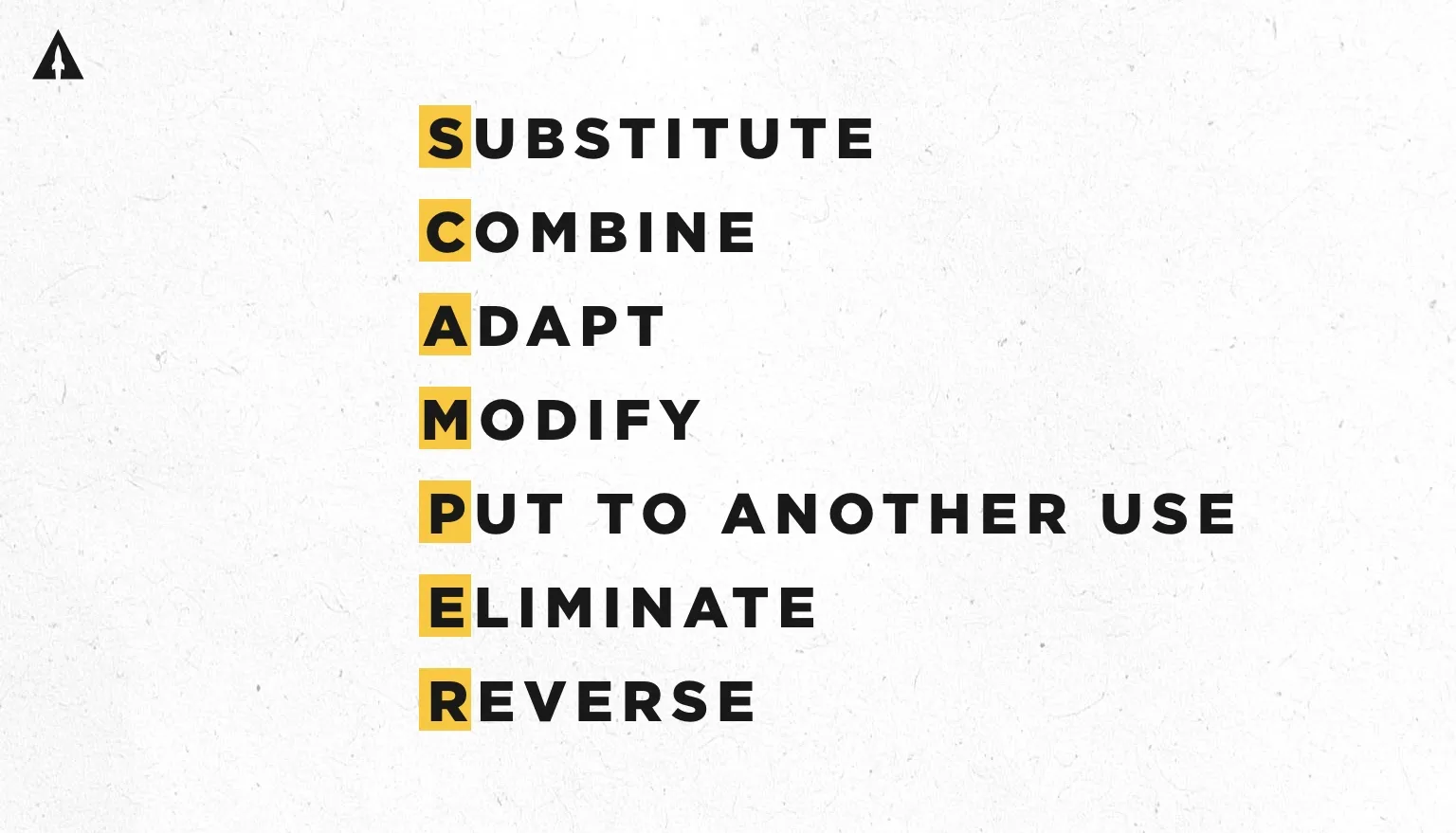
Here’s how it works:
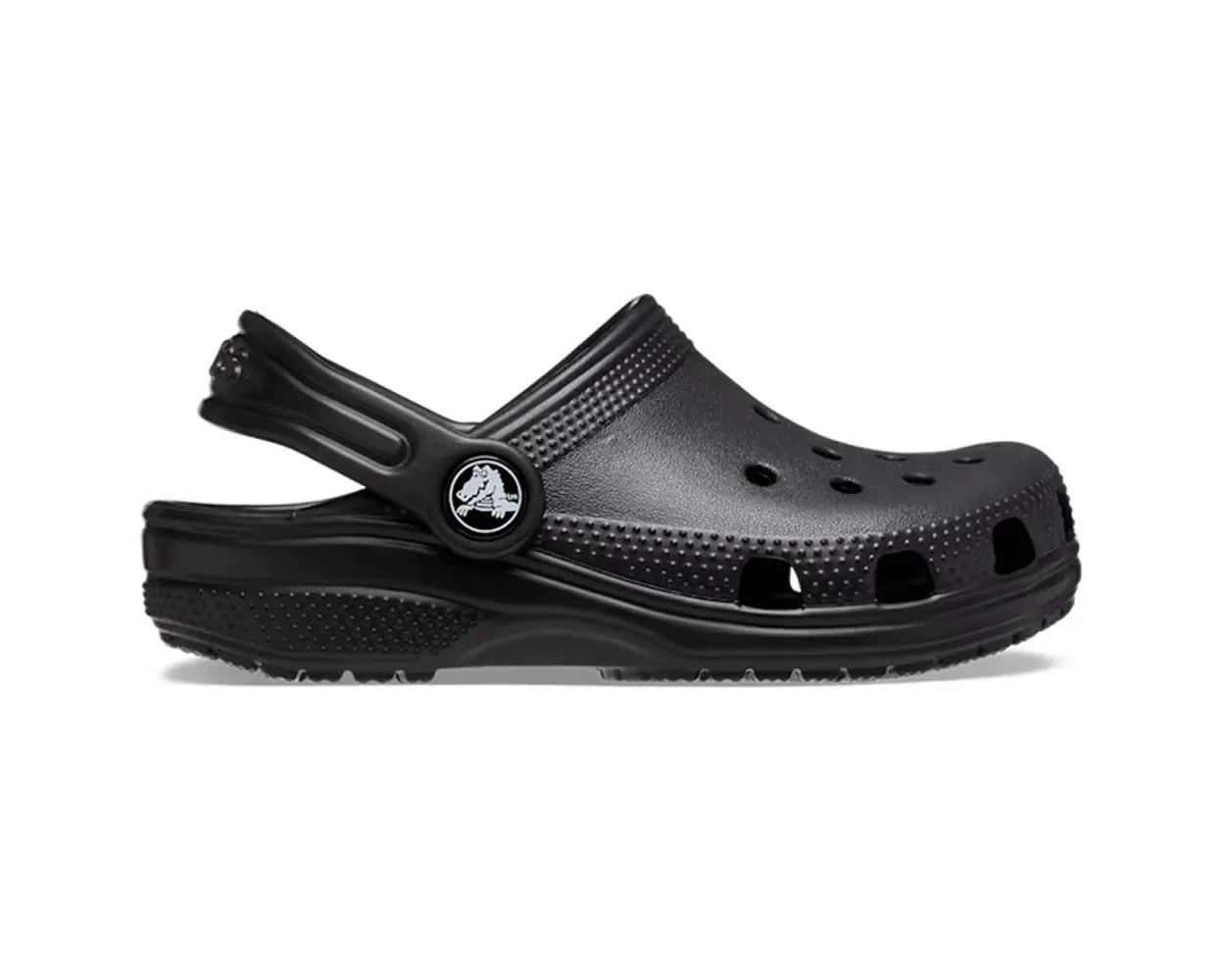
Substitute involves analyzing existing products and asking what components could be replaced. Take Crocs, for example. Someone looked at traditional closed-toe sandals and asked, “What if we substituted the materials with foam to make them waterproof and lightweight?” The result was a product that generated billions in revenue.
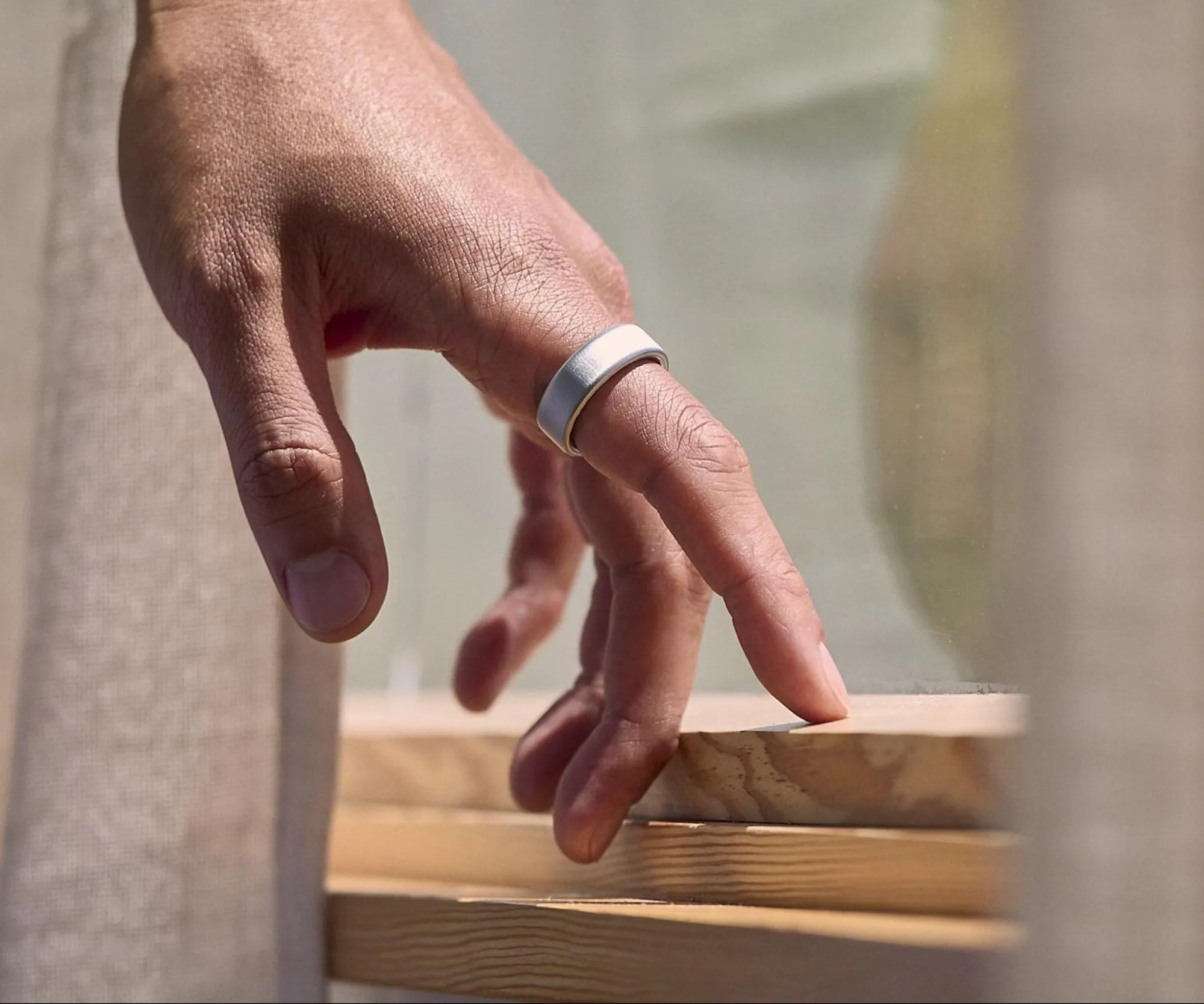
Combine means merging different products or features to create something new. The Oura Ring perfectly demonstrates this – combining a simple ring with heart rate monitoring technology created an entirely new category of health wearables.
Adapt focuses on taking features from one industry and applying them to another market. WANDRD took features from camping backpacks and adapted them for camera bags, creating a product that serves photographers’ specific needs better than traditional camera bags.

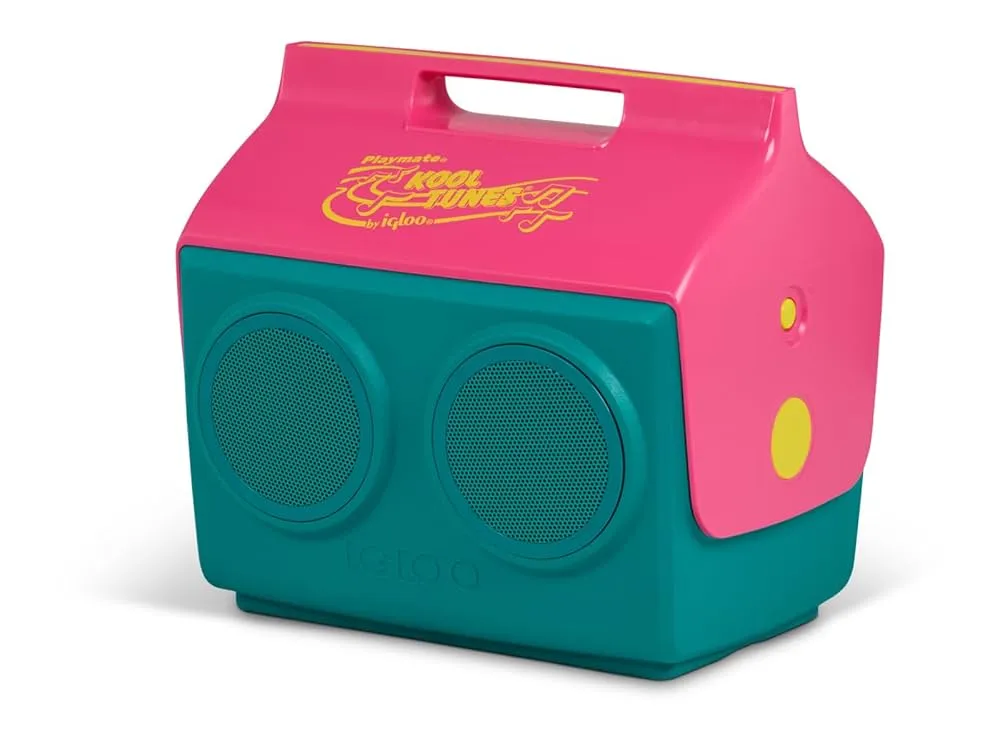
Modify involves changing size, shape, function, or other attributes of existing products. Igloo added Bluetooth speakers to its iconic cooler and created KoolTunes.
Put to another use means finding new applications for existing products or technologies. Desk Nest took a desk clamp typically used to hold up computer monitors and attached a cat bed to it instead.

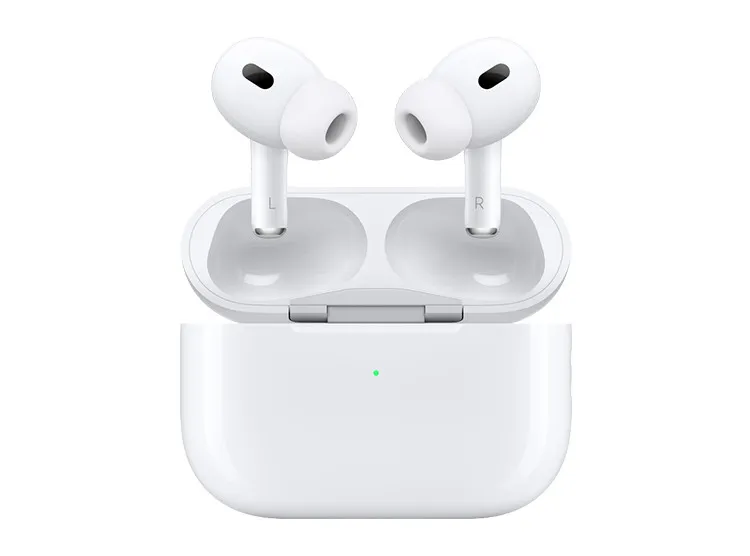
Eliminate involves removing non-essential components to simplify products. Apple’s AirPods succeeded by eliminating the cords from traditional earbuds.
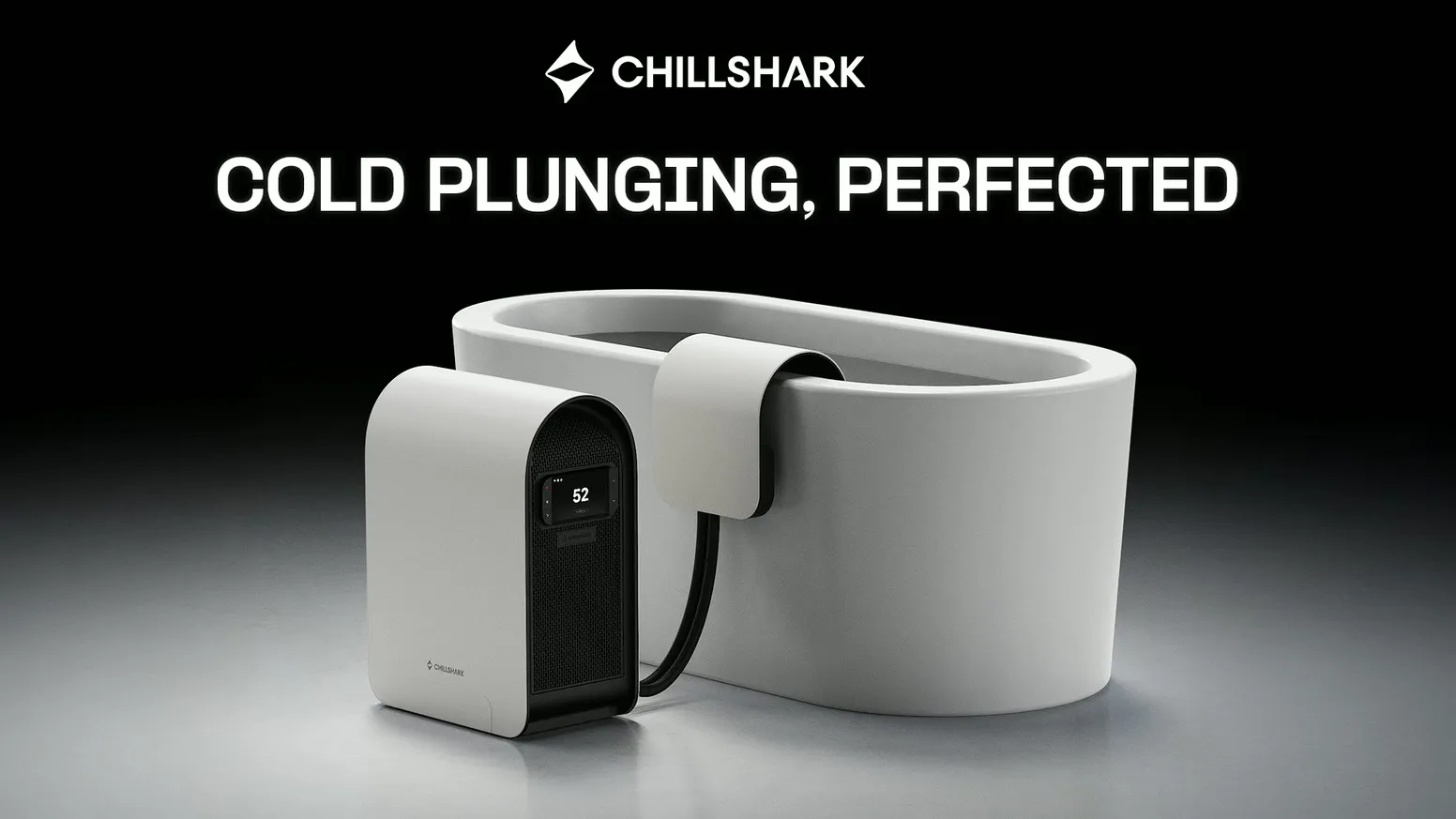
Reverse means inverting the typical approach. Cold plunges like Chillshark took the concept of relaxing hot tubs and reversed it, creating a wellness product for people who want the benefits of cold exposure.
Step 2: Idea Validation
Once you have an idea, validation becomes crucial. This is where you determine if your concept will actually make money or if it’s just something you think is cool.
Start with Google Trends to get hard data about whether people are searching for solutions to the problem your product solves.
Next, conduct competitor analysis by searching Google for similar products. Contrary to popular belief, competition is good – it proves a market exists. Look at competitors’ websites, social media, and any publicly mentioned sales figures.
Find forums where your potential customers gather. Subreddits related to your product category can provide honest feedback on your idea. Don’t worry about someone stealing your concept – prioritize getting real-time feedback from your community.
But the most effective validation method is crowdfunding. Platforms like Kickstarter and Indiegogo let people vote with their wallets, giving you definitive proof that customers will pay for your product while also raising money for development. Learning how to launch a successful Kickstarter campaign is key.
Step 3: Research and Planning
Product creators aren’t defined by their ability to generate ideas – they’re defined by their ability to make those ideas real. Once you’ve validated your concept, you need to start planning execution.
The best way to begin is by drawing your idea out. Grab a pen and notebook, then sketch what your product should look like and make notes about how it should function. Your diagram should include a list of different components, features, and materials. Focus on the most important aspects of your product design – you don’t need every detail mapped out, but you need the broad strokes of functionality and differentiation.
Consider your unboxing experience during this stage. How will customers first encounter your product? This seemingly small detail can significantly impact customer satisfaction and word-of-mouth marketing.
If drawing isn’t your strength, you can easily find illustrators on Fiverr, Dribbble, or Upwork to help bring your vision to life. This planning stage sets the foundation for everything that follows, so invest the time to think through your product’s core features and user experience.
Step 4: Design and Prototyping
No one creates a perfect product on the first try. Prototyping a new product is an iterative process where you create basic versions, test functionality, gather feedback, and refine your design. This stage is specifically designed to uncover unforeseen problems and challenge your assumptions before you commit to manufacturing.
Start by making a basic version of your product, then test it yourself and with people who represent your ideal customers. Once you gather feedback on what’s working and what isn’t, modify your product accordingly. Repeat this cycle until your product is ready for manufacturing.
For products where you have the necessary skills, you might be able to create prototypes yourself. But for more complex products, you’ll likely need professional help for physical samples, 3D renders, or 3D printing. You can find prototyping help on Upwork, Freelancer.com, or by searching Google for prototyping agencies. Some manufacturers will also work with you to create prototypes, which can streamline the transition to production.
The key is embracing the iterative nature of this stage. Each prototype teaches you something new about your product’s functionality, user experience, or manufacturing requirements.
Step 5: Industrial and Packaging Design
Creating a product that’s functional is just the beginning – it also needs to be aesthetically appealing and manufacturable. Industrial design for startups involves more than just making something look good. A skilled industrial designer understands how to balance form and function while keeping manufacturing costs reasonable and ensuring your product can actually be produced at scale.
Your industrial designer should understand startup constraints and be able to work within your budget limitations while still creating something that stands out in the marketplace. Design affects both user experience and customer perception, so this investment often determines whether your product feels premium or cheap.
During this stage, you’ll also need to consider packaging design. Your packaging is often the first physical touchpoint customers have with your brand, and it needs to protect your product during shipping while creating a memorable unboxing experience.
Work with designers who have experience in your product category and understand the manufacturing implications of their design choices. The best industrial designers can create products that are both beautiful and cost-effective to produce.
Step 6: Sourcing and Manufacturing Partners
This stage requires research, negotiation, and possibly some travel. Manufacturing a product overseas often provides the best combination of cost and quality, but it requires careful supplier evaluation.
Start by researching suppliers online through Google searches, but also explore platforms like ThomasNet, Maker’s Row, and Alibaba.
Trade shows offer one of the fastest ways to find suppliers because you can see hundreds of options and examine samples in a single day.
Whether you find suppliers online or at trade shows, always order sample materials to check quality and visit factories to verify they’re legitimate operations. When evaluating suppliers, you want to answer two key questions:
- How much will it cost?
- How long will it take?
Get detailed quotes that include all costs: manufacturing, materials, shipping, and any additional fees.
Maintain relationships with at least two suppliers to avoid single-source dependency. If your primary manufacturer encounters problems, having a backup supplier can save your business.
During negotiations, focus on building long-term relationships rather than just getting the lowest price. Reliable suppliers who understand your quality standards and delivery requirements are worth paying slightly more for.
Step 7: Costing and Preparing for Launch
This stage involves crunching numbers in spreadsheets to calculate your Cost of Goods Sold (COGS). Bringing a product to market requires understanding exactly how much it costs to get your product made and into customers’ hands.
Your COGS includes all costs directly related to producing your product: manufacturing (labor and materials), shipping (transit, storage, import fees), and packaging. Your COGS doesn’t include operating expenses like marketing, rent, and insurance – focus only on the direct costs of getting your product to customers.
Create different spreadsheet scenarios comparing various suppliers and manufacturing options. International suppliers might seem cheaper initially, but shipping costs can quickly change the equation. This costing analysis will guide your pricing strategy and help you determine which suppliers offer the best value.
Most successful product creators target COGS as a percentage of their retail price of between 20-40%. That way, they have enough margin to cover other costs of the business and still make a profit. Understanding these numbers before you commit to manufacturing prevents the costly mistake of discovering your product isn’t profitable after you’ve already invested in inventory.
Real-World Examples of Building a Product from Scratch
Learning from successful product creators shows you what’s possible when you follow a systematic approach to how to create, design, and manufacture a product from scratch. These examples demonstrate different approaches to product development, but they all share common themes: identifying opportunities in existing markets, listening to customer feedback, and iterating based on real-world testing.
Oura Ring: Marrying Health Tech with Jewelry Design
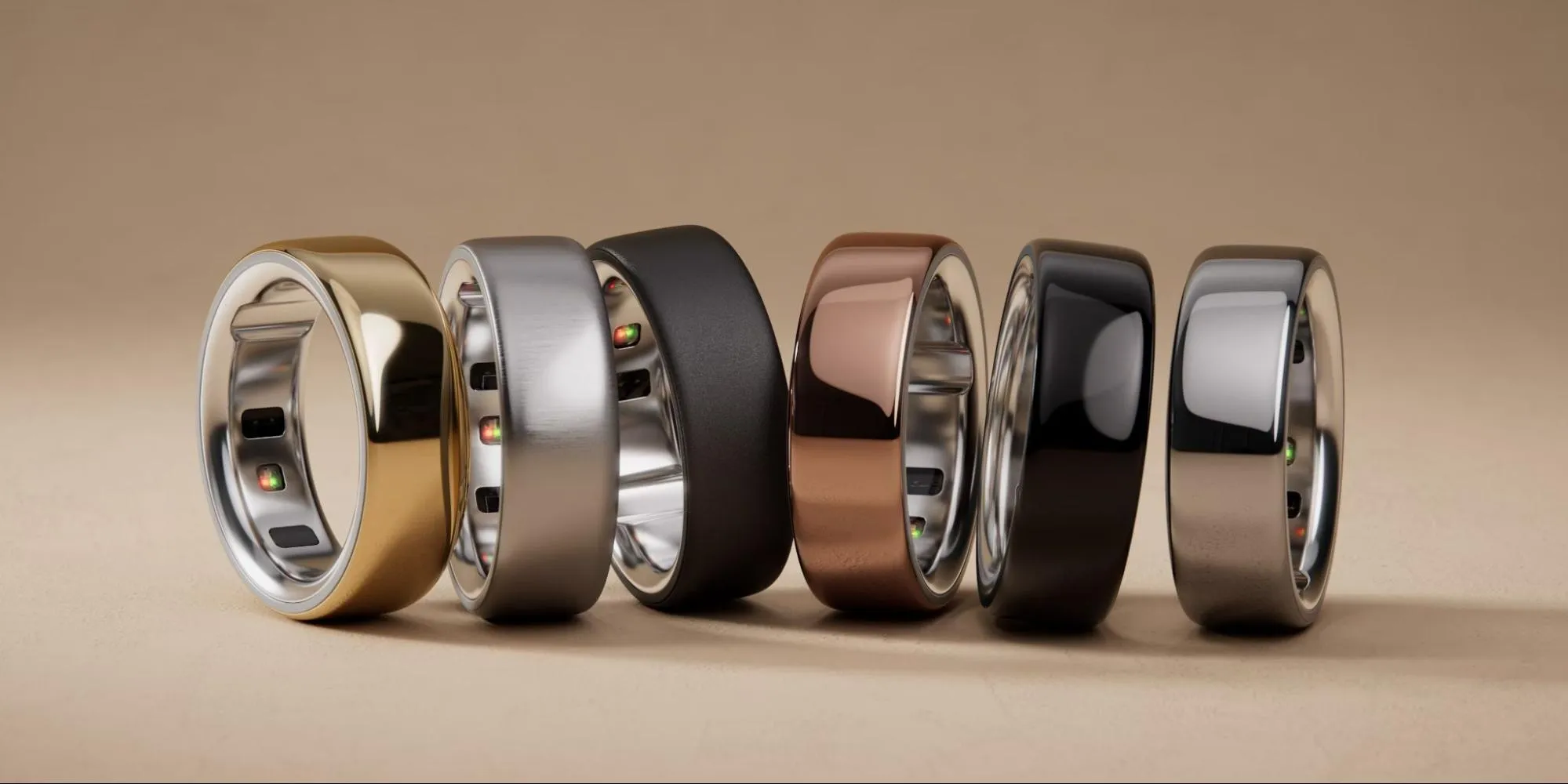
The Oura Ring perfectly demonstrates the “combine” principle from the SCAMPER model. Instead of creating another bulky fitness tracker, the Oura team asked: “What if we combined the functionality of a heart rate monitor with the form factor of a simple ring?” This combination created a health monitoring device that people actually want to wear every day.
The key insight was recognizing that wearable technology adoption was limited by aesthetics and comfort. By adapting health monitoring technology to work within a ring form factor, they created a product that seamlessly integrates into users’ lifestyles without the bulk or appearance issues of traditional fitness trackers.
Crocs: From Unconventional Design to Massive Profit
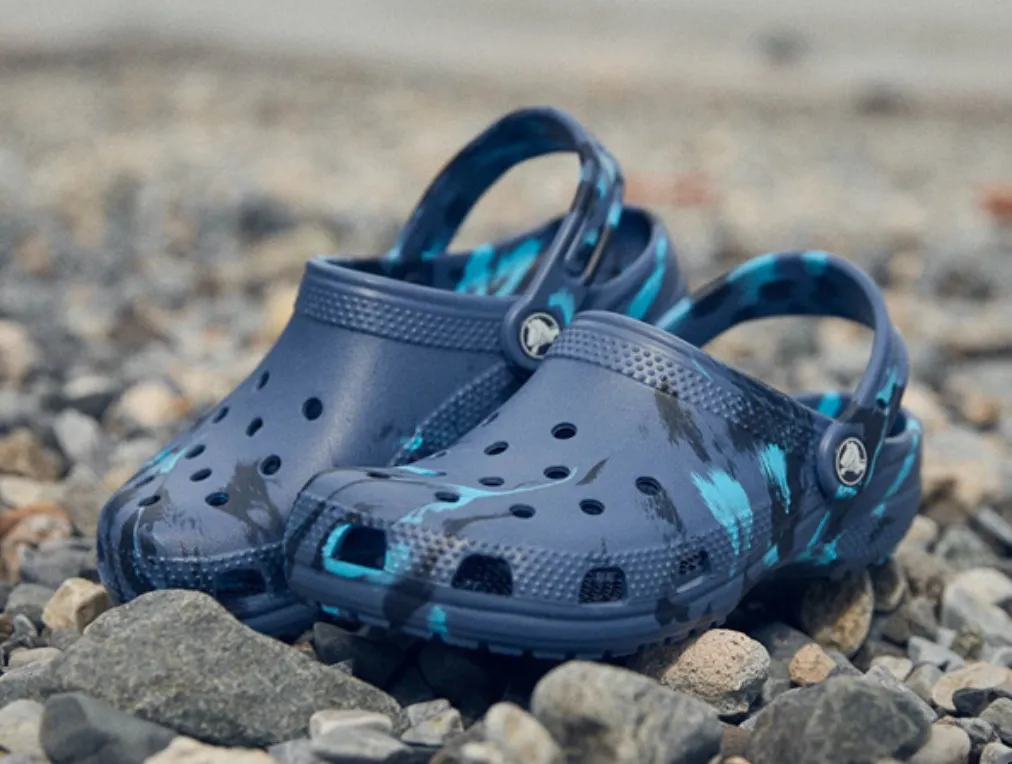
Crocs demonstrates how the “substitute and eliminate” principles can create massive market success. The founders looked at traditional closed-toe sandals and asked what would happen if they substituted regular materials with foam and eliminated the need for complex construction. The result was a waterproof, lightweight shoe that initially looked unconventional but provided superior functionality for specific use cases.
Despite initial skepticism about their appearance, Crocs found product-market fit by focusing on comfort and practicality over traditional aesthetics. This shows how solving real customer problems can overcome initial resistance to unusual designs.
Stardew Valley: Listening to Users to Shape an Indie Game

Eric Barone’s approach to creating Stardew Valley shows how validation doesn’t require significant upfront investment. When he couldn’t get a job in the gaming industry, Barone turned to Reddit to share his game development progress and gather feedback from potential players. He used this community input to refine gameplay mechanics and features throughout the development process.
This approach of building in public and incorporating user feedback resulted in a game that has sold over 50 million copies. It demonstrates how passion projects can become commercial hits when creators stay connected to their audience throughout the development process.
WANDRD: Transforming Outdoor Gear into Camera Bags

WANDRD shows how adapting features from one product category can serve a new market exceptionally well. The founders recognized that photographers had unique needs that traditional camera bags didn’t address. By adapting organizational features and durability standards from camping gear, they created camera bags that better served outdoor photographers.
This adaptation strategy allowed them to differentiate immediately in a crowded market by bringing solutions that had proven successful in adjacent industries. Smart design choices can create instant product differentiation when you understand your target market’s specific pain points.
Partner with LaunchBoom to Bring Your Product to Life
Understanding how to create, design, and manufacture a product from scratch is just the beginning. Once you have a validated product concept and manufacturing plan, you need a go-to-market strategy that actually drives sales. This is where many product creators struggle – they’ve invested months developing a great product but don’t know how to effectively reach customers.
At LaunchBoom, we specialize in helping product creators successfully launch through crowdfunding platforms like Indiegogo and Kickstarter. We provide proven systems for building pre-launch audiences, creating compelling campaign pages, and driving the sales momentum that turns product launches into sustainable businesses.
Our approach de-risks the launch process by validating market demand before you commit to large manufacturing runs. Instead of guessing whether customers will buy your product, crowdfunding provides definitive market validation while raising the capital needed for production.
We’ve helped over 1,000 product creators navigate the complexities of bringing physical products to market, and we understand the unique challenges first-time founders face when trying to turn their concepts into profitable businesses.
Tell us a little bit more about your product idea and we’ll set up a chat with one of our experts.
Final Thoughts
Building a product from scratch requires both strategic thinking and scrappy execution. The journey from initial idea to market launch will test your persistence, creativity, and business acumen. But by following these seven steps systematically, you dramatically increase your chances of creating something customers actually want to buy.
Remember that iteration and market feedback are essential parts of this process. Your first prototype won’t be perfect, your initial cost calculations might be wrong, and you’ll likely need to adjust your approach based on what you learn along the way.
The most successful product creators embrace this uncertainty while staying focused on solving real problems for real customers. They understand that how to create, design, and manufacture a product from scratch isn’t about perfection – it’s about consistent progress toward a product that creates genuine value.
How to Create, Design, and Manufacture a Product from Scratch: Frequently Asked Questions
What Is the First Step in Designing a Product from Scratch?
The first step is always problem identification and market validation, not jumping straight into design. Start by clearly defining what problem your product solves and for whom.
Use tools like the SCAMPER model to generate ideas systematically, then validate demand through Google Trends research, competitor analysis, and community feedback on platforms like Reddit. This validation stage ensures you’re building something people actually want rather than something you think is cool. Many product creators skip this step and end up with well-designed products that nobody buys.
How Do I Find a Manufacturer for My Product Idea?
Start with online research through Google searches and platforms like Alibaba, ThomasNet, and Maker’s Row. Trade shows offer the fastest way to evaluate multiple suppliers in person, allowing you to examine samples and meet manufacturers face-to-face. Always order samples to verify quality and visit factories when possible to ensure they’re legitimate operations.
Ask detailed questions about production capacity, quality control processes, minimum order quantities, and lead times. Get quotes from multiple suppliers and always maintain relationships with at least two manufacturers to avoid single-source dependency.
When Should I Begin Industrial Design and Prototyping?
Enter the design stage only after validating your concept and outlining your product’s core features and functionality. You need a clear understanding of what problem you’re solving and what features are essential before investing in professional design work. This prevents costly design iterations that could have been avoided with better upfront planning.
Establish feedback loops with potential customers throughout the prototyping process. Each prototype should test specific assumptions about functionality, user experience, or manufacturing requirements before moving to the next iteration.
How Much Does It Cost to Develop and Manufacture a Product?
Costs vary dramatically based on product complexity, but key drivers include prototyping ($500-$5,000), tooling and setup fees ($1,000-$50,000), materials and labor (varies by product), packaging design and setup ($1,000-$10,000), and shipping and logistics (10-30% of product cost).
Create a detailed COGS spreadsheet that includes all direct costs: manufacturing, materials, shipping, packaging, payment processing, and platform fees. This analysis guides pricing decisions and supplier selection. Most successful products maintain a total COGS of between 20-40% of their retail price to ensure profitability.
What Is the Timeline to Bring a Product to Market?
A typical timeline spans 8-13 months: idea validation (1-2 months), design and prototyping (2-4 months), sourcing and supplier selection (1-2 months), manufacturing setup and production (2-3 months), plus launch preparation (2 months).
Complex products requiring custom tooling, regulatory approvals, or extensive testing can take 12-18 months or longer. Simple products with existing manufacturing processes might launch in 6-8 months. Build buffer time into your timeline for unexpected delays, design iterations, and manufacturing issues. Most first-time product creators underestimate the time required for each stage, so conservative planning prevents disappointment and cash flow problems.
