


The wearables market is crowded. With giants like Apple and Garmin dominating the space, breaking through seems nearly impossible for new brands. But UNA Watch proves that innovative products with the right marketing strategy can still capture market share—even without a finished product.
UNA Watch, a modular GPS sport watch designed for sustainability-conscious and tech-savvy consumers, raised over £250,000 in just 30 days on Kickstarter. The campaign attracted nearly 1,300 backers who believed in a vision of repairable, upgradeable wearable technology that could last 10-20 years instead of the typical 2-3 years.
This case study explores the strategies that led to a successful campaign, drawing practical marketing and launch insights from Edward Hall, the 24-year-old marketing director who orchestrated UNA Watch’s breakthrough into the crowded wearables market.
Also, be sure to check out my podcast with Edward as well!
Key Takeaways
Here’s what you’ll learn from the UNA Watch success story:
- How UNA Watch positioned itself in a saturated market by focusing on sustainability and modularity
- How influencer and organic marketing built trust before launch through authentic storytelling
- Strategies for building a pre-launch email list and community of over 3,000 VIP depositors
- Insights from LaunchBoom’s framework for crowdfunding that turned deposits into day-one momentum
- Key lessons to apply to your own Kickstarter campaign, including what didn’t work
What Is the UNA Watch and Why Did It Resonate With Backers?
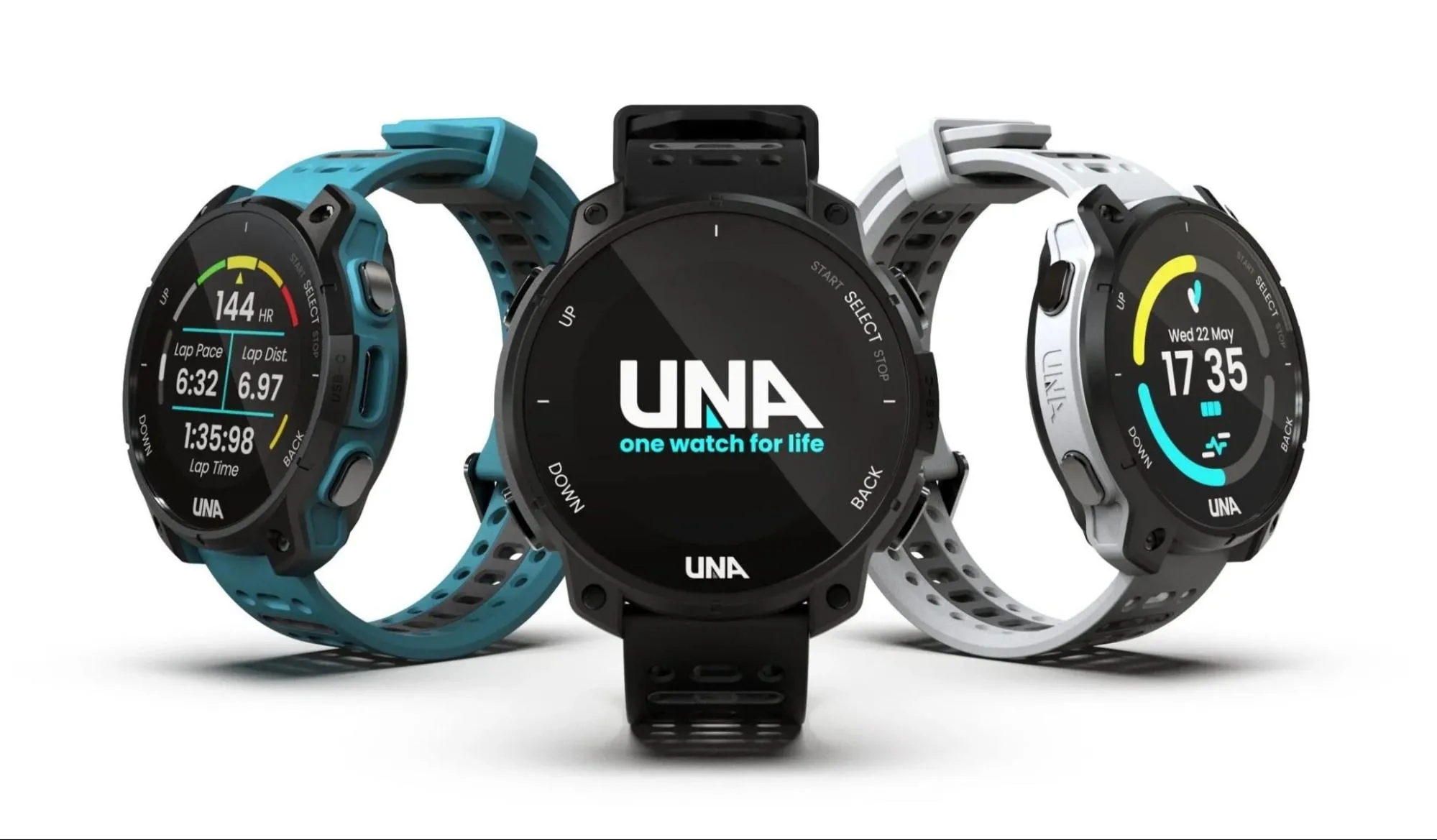
The UNA Watch isn’t just another GPS sport watch. It’s a fully modular, upgradeable, and repairable GPS sport watch designed for runners, cyclists, and hikers who care about sustainability and technology flexibility. Unlike traditional smartwatches that become obsolete or unfixable after minor damage, the UNA Watch can be completely disassembled—users can replace the battery, swap the display, and upgrade components as technology advances.
The product’s origin story began with a moment of pure frustration. Lewis, UNA’s founder, watched his wife’s brand-new Apple Watch shatter just two days after purchase while she was chasing kids around the house. When they contacted Apple for repair, the response was devastating: “We can’t repair it. We can’t replace it. You’ll need to buy a new one or it goes in a drawer.”
As an electronics engineer, Lewis couldn’t even fix it himself—the repair simply wasn’t worth the cost or complexity.
This personal experience sparked a bigger question: How could they take something so small and make it modular? The concept had been proven with phones (Fairphone) and laptops (Framework), but no one had successfully tackled modularity with wearables.
What started as Lewis’s idea for a “hackable nerd watch” evolved into something much bigger when he brought on friends Colin and Jordi as co-founders. Together, they realized the sports market offered a massive opportunity for a sustainable, community-driven alternative to the disposable wearables dominating the market.
How UNA Watch Achieved Kickstarter Success: A Step-by-Step Breakdown
The UNA Watch campaign didn’t happen overnight. It was the result of nine months of product development followed by strategic marketing execution that turned over 3,000 pre-launch VIPs into day-one momentum.
Building a Modular GPS Watch With a Purpose
The UNA Watch’s unique selling propositions spoke directly to a targeted audience frustrated with the current wearables ecosystem. The key features included:
- Repairability: Unlike traditional smartwatches, every component can be replaced
- Sustainability: Designed to last 10-20 years instead of 2-3 years
- Modularity: Full architectural flexibility for upgrades and customization
- Developer-friendliness: Open platform for tech enthusiasts
- USB-C charging: Modern charging standard instead of proprietary cables
These weren’t just technical features—they represented a philosophy that resonated with consumers tired of planned obsolescence and ecosystem lock-in from major brands.
Defining the Target Audience and Market Position
Edward’s positioning strategy focused on a critical insight: “You really need to think about what is the consumer getting out of this.” Rather than competing directly with Apple or Garmin users deeply integrated into those ecosystems, UNA targeted early adopters who were prepared to try something different. These were people interested in sustainability, cutting-edge technology, and having more control over their devices.
The team reverse-engineered their technical features into consumer-centric benefits. Modularity became “long-term durability.” Repairability became “never throw away a broken watch again.” Developer-friendliness became “customize your watch exactly how you want it.”
Edward’s positioning mindset centered on one question: “How does this impact the consumer’s life?” This approach helped them avoid the trap of leading with technical specifications that might confuse potential buyers.
The Power of a Pre-Launch Funnel: 3,000 VIPs Strong
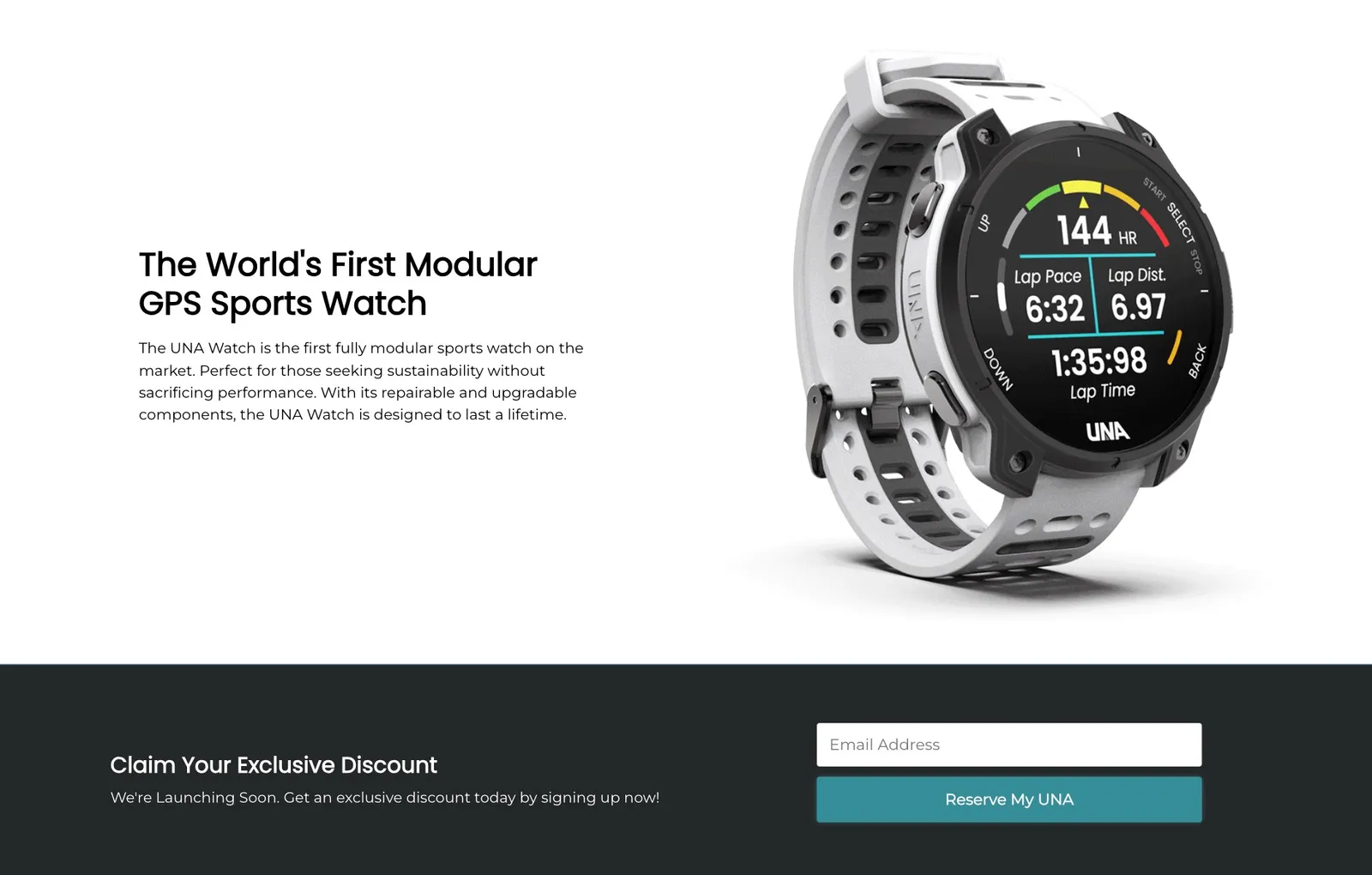
The foundation of UNA’s success was their pre-launch funnel built on LaunchKit that collected over 3,000 $1 deposits before the campaign even launched. Edward implemented a high-converting system with several key components:
- Landing Pages: Separate UK and US versions with localized pricing and messaging
- Email Sequences: Nurturing campaigns for both VIP depositors and general subscribers
- Exclusive Facebook Group: Private community for VIP depositors with behind-the-scenes content
- Best Price Guarantee: VIPs received the lowest possible price (£180 vs. higher retail pricing)
Here’s what the VIP upgrade page looked like:
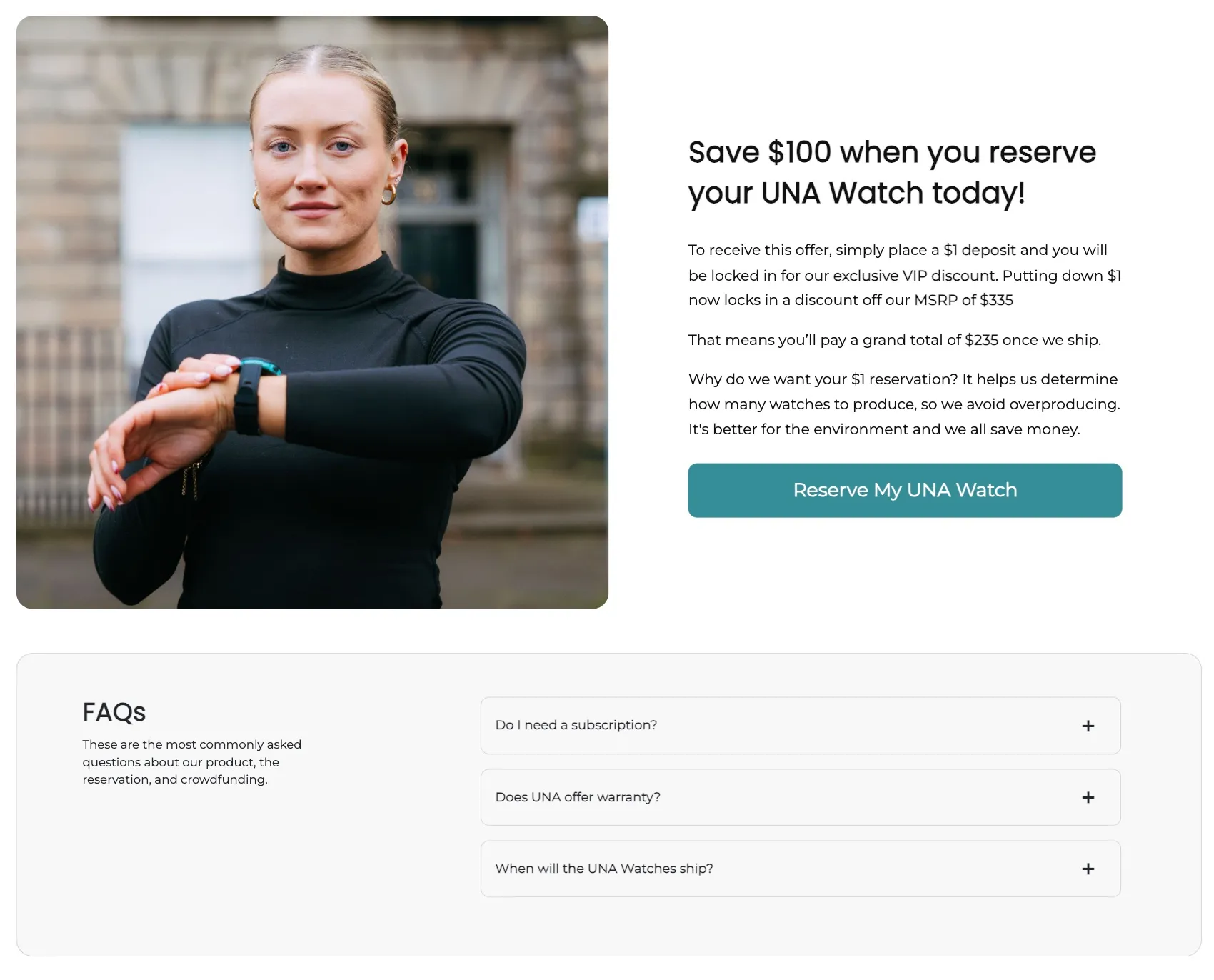
The $1 deposit strategy worked because it required minimal commitment from potential backers while showcasing who their superfans were. Once someone put down even a small deposit, they became much more likely to follow through with a full purchase. The team also created multiple touchpoints—if someone didn’t deposit but joined their email list, they received regular updates encouraging them to follow UNA on Instagram and eventually convert to VIP status.
Paid Ads That Educate and Validate
UNA’s paid advertising strategy served two crucial purposes: education and validation. Edward discovered that paid ads provided incredibly fast feedback from cold audiences. Within the first week or two of running ads, they were getting real responses from potential customers—both positive and negative—that helped refine their messaging and product positioning.
The ads drove traffic to their pre-sale landing pages, where visitors could put down $1 deposits to secure the best pricing. This approach allowed them to:
- Test messaging with real money on the line
- Validate product-market fit before manufacturing
- Build a qualified audience of serious potential backers
- Gather feedback that improved their overall strategy
Edward ran separate campaigns for US/Canadian audiences and UK audiences, optimizing for deposit conversions rather than just leads.
Organic Content That Built Trust
Edward’s background in social media and content creation became a massive advantage for UNA Watch. He focused heavily on Instagram as the primary organic channel, creating a blend of professional and authentic content that showcased both the product and the team behind it. The content strategy included:
- Professional visuals: Clean product shots and lifestyle imagery showing the watch in action
- Raw, handheld videos: Behind-the-scenes content featuring team members and product development
- Storytelling: Consistent narrative about sustainability, repairability, and the mission
- Educational content: Explaining the technology and benefits in accessible terms
Here’s an example of one of Edward’s posts:
A post shared by UNA Watch (@unawatch)
Edward admits he would have posted even more content in hindsight (especially on TikTok), recognizing that organic content is time-consuming but incredibly valuable for trust-building. The authentic, scrappy nature of their content helped differentiate UNA from the polished but impersonal marketing of larger wearables brands.
Influencer Collaborations That Drove Reach
UNA’s influencer strategy focused on micro-influencers who aligned with their brand values rather than chasing massive follower counts. The standout collaboration was with Gary House, a prominent UK running creator.
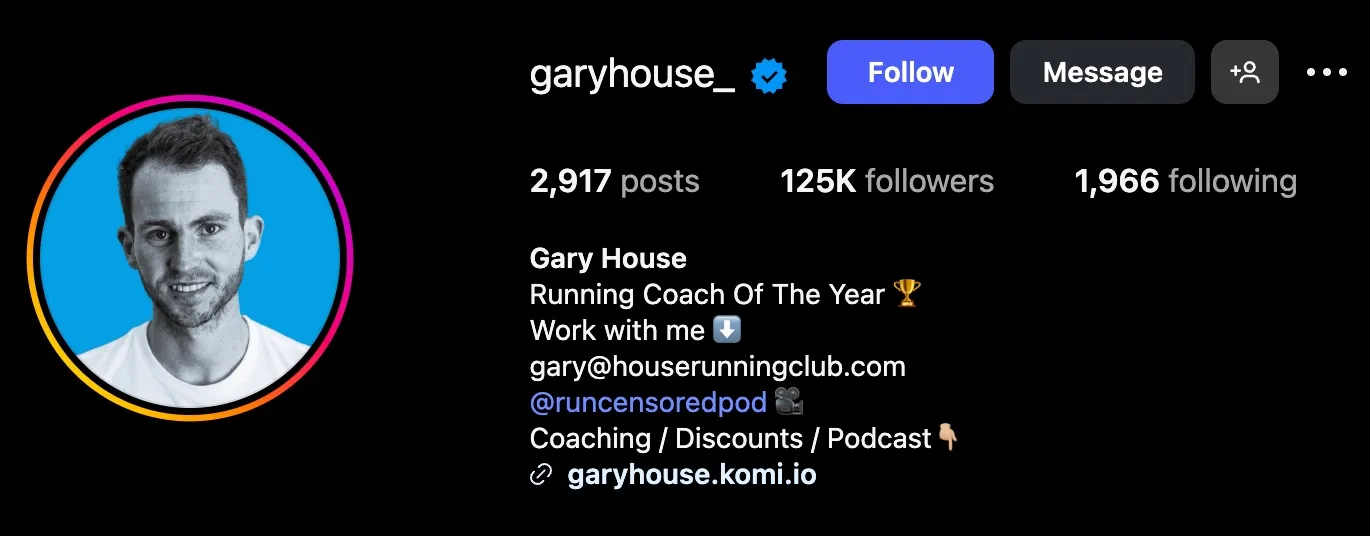
Edward sent a cold email explaining UNA’s story and Scottish roots, and Gary responded within 15 minutes expressing genuine interest. Gary’s approach was perfect for a pre-launch product: he framed his content as “I’ve discovered this cool thing that isn’t out yet—if you’re interested, go check it out.” This authentic discovery narrative felt natural rather than like a paid promotion.
A post shared by Gary House (@garyhouse_)
The collaboration structure included:
- Flat fee payments: Cleaner than complex affiliate arrangements for a pre-launch product
- Usage rights: Clear contracts allowing UNA to use the content in paid ads
- Collab posts: Joint Instagram posts that appeared on both accounts for maximum credibility
The influencer content didn’t necessarily deliver better ROI than paid ads, but it provided crucial social proof and credibility that enhanced the overall marketing mix.
Using LaunchBoom’s Framework for Momentum
Edward credits discovering LaunchBoom as a turning point in their Kickstarter strategy. After months of product development and initial marketing efforts, Edward felt confident about their direction but uncertain about Kickstarter-specific tactics. Reading my book, Crowdfunded, and studying our YouTube content revealed that successful crowdfunding campaigns follow specific patterns and formulas. The LaunchBoom methodology provided a systematic approach to:
- Pre-launch funnel optimization: Converting interest into deposits and email subscribers
- Audience validation: Using paid ads to test demand before launch
- Launch day preparation: Building momentum that carries through the first 24-48 hours
- Community building: Creating engaged groups that amplify campaign reach
This framework gave Edward confidence that they weren’t just hoping for success—they were following proven strategies that had worked for other hardware campaigns.
High-Engagement Pre-Launch Facebook Group
The private VIP Facebook group became one of UNA’s most effective community-building tools.
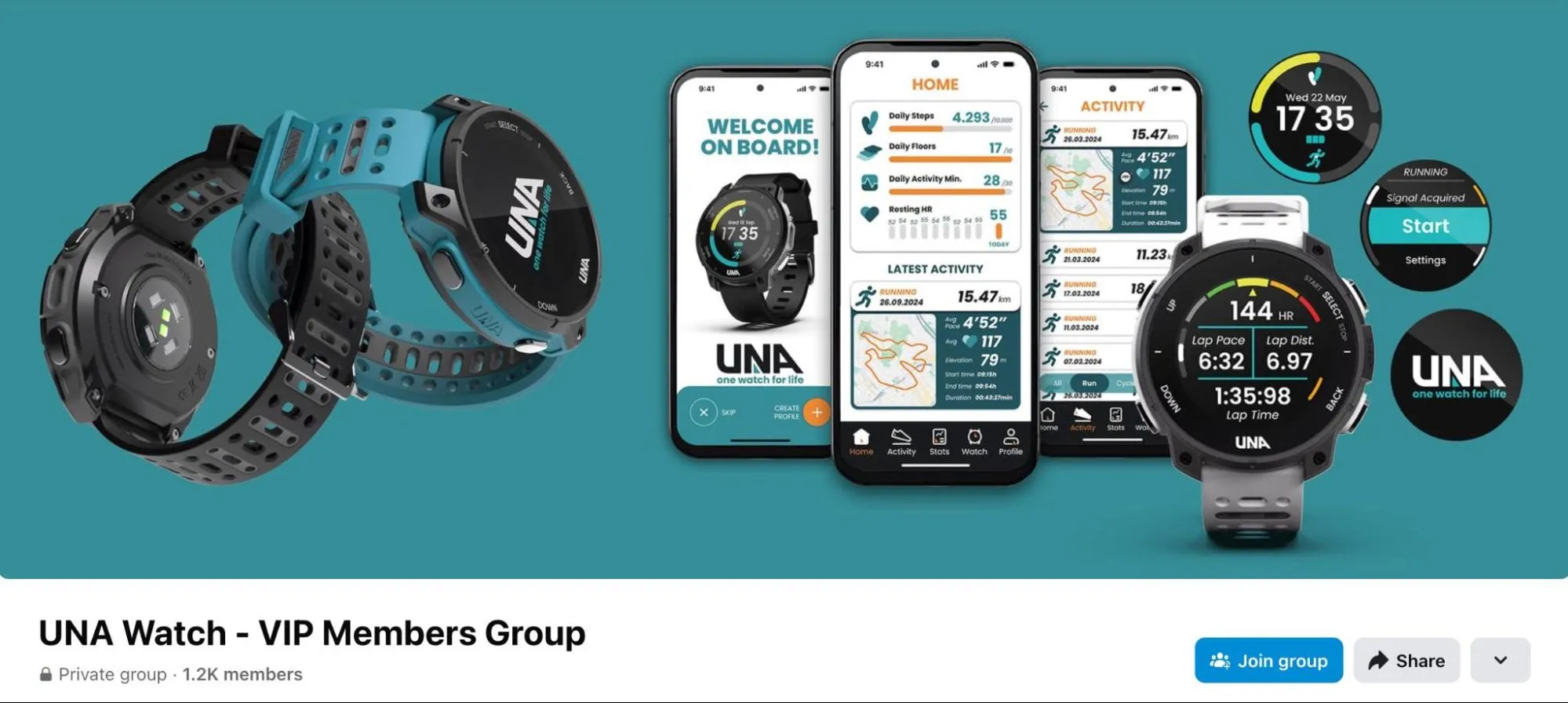
With 1,200 members (almost half of their 3,000+ VIP depositors), the group created a sense of exclusive access and insider knowledge. Edward’s content strategy for the group included:
- Extended updates: Longer, more detailed posts than public social media
- Behind-the-scenes videos: Including a 15-minute casual conversation filmed the day before launch
- Personal touches: Team members sharing their personalities and the real story behind UNA
- Community interaction: Members began answering questions for each other, strengthening the community
The group served as a nurturing environment where potential backers could see the real people behind the brand and feel confident that UNA was a legitimate company with a genuine mission.
Handling Launch Day: £169K in 24 Hours
Launch day was chaotic, stressful, and ultimately successful. UNA had planned to launch at 11:00 AM UK time, but a Kickstarter platform error sent their launch notification at 9:30 AM instead. Within the first 10 minutes, they had raised £10,000—amazing, but also panic-inducing since they had promised VIP depositors first access. Despite the early launch mishap, the momentum was undeniable:
- £10,000 in the first 10 minutes
- £130,000 within 10 hours
- £169,000 by the end of day one
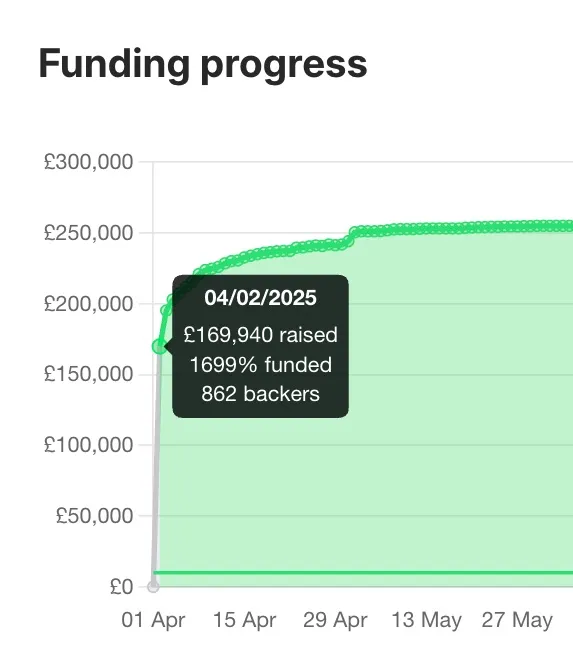
The strong day-one performance was directly attributable to their pre-launch work: 3,000+ VIP depositors, nearly 15,000 total email subscribers, and a highly engaged Facebook community all ready to back the campaign immediately.
Managing Post-Launch Momentum (And Ad Fatigue)
After the explosive first day, UNA faced a common crowdfunding challenge: maintaining momentum. The live campaign ads that had worked so well during pre-launch became much less effective once the campaign was public. Cost per acquisition skyrocketed from £10-20 for VIP deposits to over £100 for Kickstarter purchases. Edward attributes this to several factors:
- Ad fatigue: The same creative that worked pre-launch became less effective
- Audience saturation: They had already reached their most interested potential backers
- Changed context: Converting a Kickstarter backer requires different messaging than collecting a deposit
By week three of their 30-day campaign, Edward and the team made peace with their trajectory toward £250,000 rather than chasing higher numbers with unsustainable customer acquisition costs.
Final Thoughts
The UNA Watch Kickstarter success story demonstrates that even in saturated markets, innovative products with strong positioning and authentic marketing can find their audience. Edward’s approach combined strategic thinking with scrappy execution, leveraging his social media expertise to build genuine community around a product that didn’t even fully exist yet.
The campaign’s success came from understanding their audience deeply, communicating benefits clearly, and building trust through consistent, authentic engagement.
For product creators looking to follow UNA’s path, the key lesson is clear: success comes from the combination of innovative product thinking and disciplined marketing execution, supported by frameworks that have been proven to work.
Launching a hardware product? Need help finding your audience and building pre-launch demand? We’d love to chat. Book a call with one of our experts today.
